ContentsView article sections
Planning your first Templestay in Korea can come with plenty of questions. What should you wear? Do you need to be Buddhist? What happens during a Templestay? Can you use your phone? What should you pack? And just how early might you have to wake up?
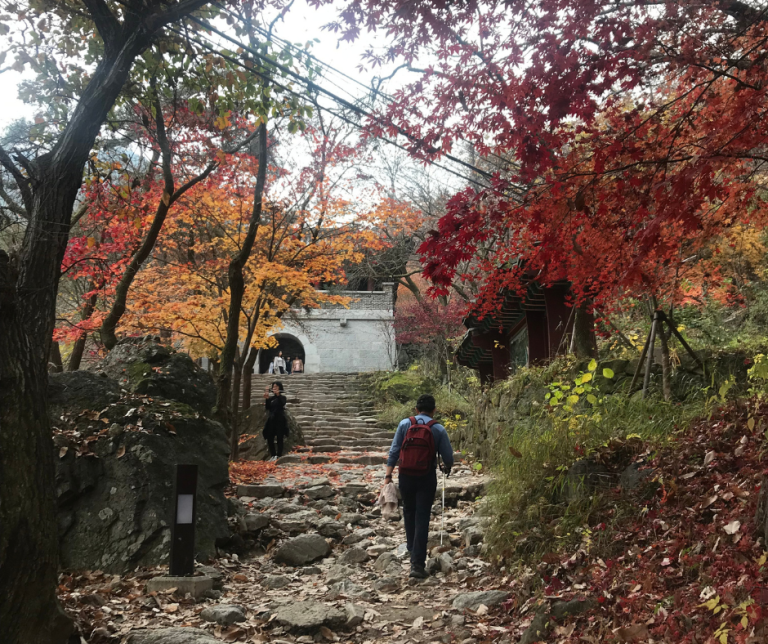
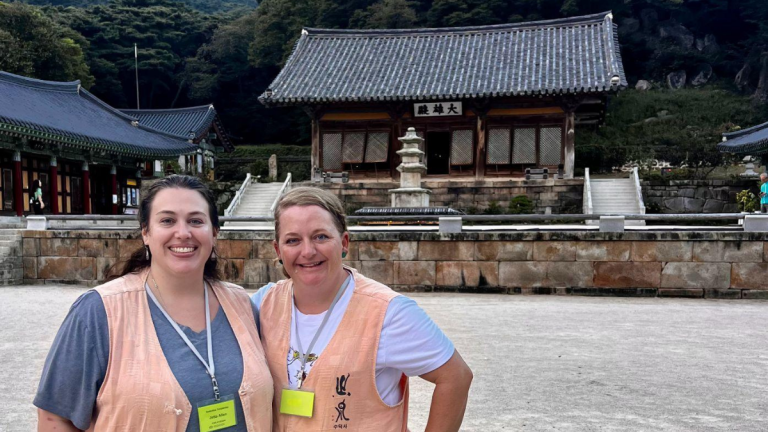
After experiencing a Templestay at Sudeoksa Temple in Yesan, I came away with not only memorable experiences but also practical insight into what visitors can expect from a Korean Templestay.
Every temple and program is different, but this guide answers many of the questions you may have before booking your own Templestay in Korea.
If you’re considering Sudeoksa, start with our firsthand look at Sudeoksa Templestay to learn more about the experience of staying overnight at this historic Buddhist temple.
What Is a Templestay in Korea?
A Templestay is a cultural and spiritual program that invites visitors to experience life within a Korean Buddhist temple, experiencing daily monastic life..
Depending on the temple and program, activities may include meditation, chanting, tea ceremonies, traditional meals, temple tours, cultural workshops, and time for personal reflection.
More than simply touring a temple, a Templestay offers visitors an opportunity to slow down, learn about Korean Buddhist traditions, and experience aspects of daily monastic life.
Templestay FAQ: Everything You Need to Know
How Long Do Templestays Last?
Programs vary by temple, but many Templestays last one or two nights, allowing visitors to immerse themselves in the experience without taking too much time away from daily life.
Some temples also offer day programs or longer stays for those seeking a different experience.
Always check the individual program before booking, since schedules and program lengths vary.
Do I Need to Be Buddhist to Participate?
No. Templestays welcome visitors from a variety of religious, cultural, and philosophical backgrounds.
You do not need to practice Buddhism to participate. The experience focuses on cultural immersion, mindfulness, reflection, and respectfully experiencing Korean Buddhist traditions.
Do I Need to Speak Korean?
Not necessarily.
Many temples offering programs for international visitors provide English-language information, interpretation, or English-speaking staff or volunteers.
However, language support varies by temple and program, so check before booking if you need English-language assistance.
Can Couples or Families Stay Together?
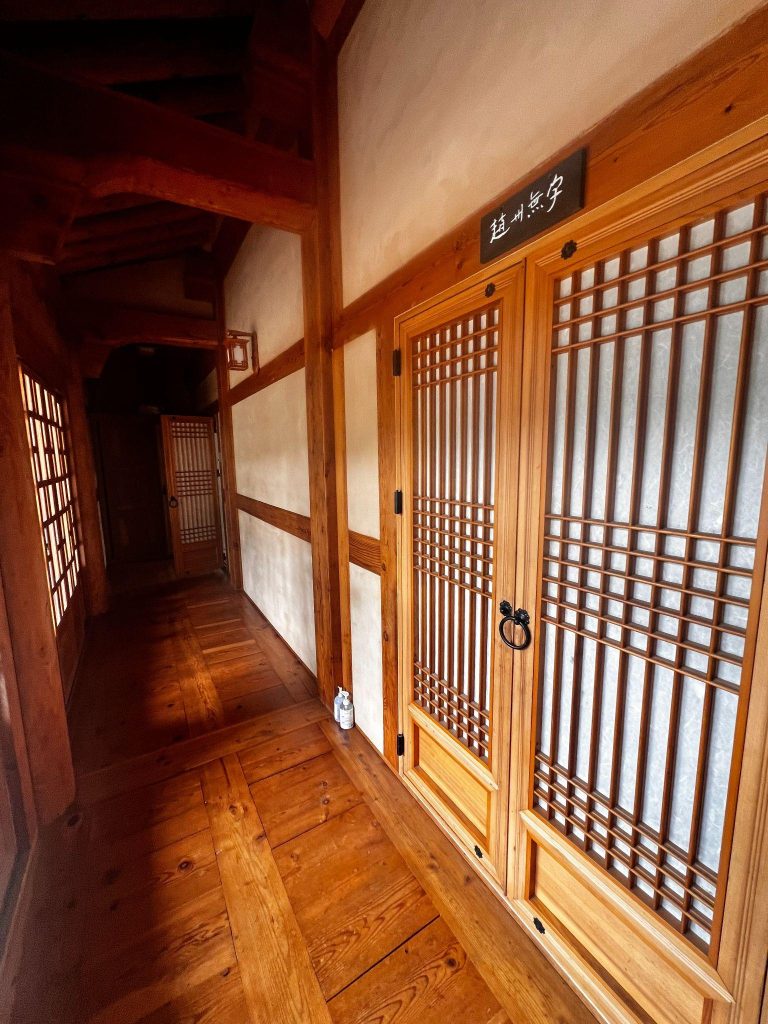
Lodging arrangements vary by temple and program.
Some accommodations may be separated by gender or shared with other participants, while other temples may be able to accommodate families or individual room requests.
If you are traveling as a couple or family, or need a particular sleeping arrangement, contact the Templestay before booking.
Are There Age Restrictions?
Age requirements vary by temple and program.
Some experiences may be better suited for older children and adults because of meditation periods, early mornings, hiking, or other scheduled activities.
Check directly with the temple before booking a Templestay with young children.
What Activities Are Included in a Templestay?
Every Templestay is different, but activities may include:
- Guided Seon meditation and chanting
- Traditional tea ceremonies and Dharma talks
- Temple tours highlighting history and architecture
- Cultural activities such as lotus lantern making, calligraphy, or Buddhist arts
- Communal temple meals
- Walking meditation, hiking, or time for personal reflection
- Volunteer or community activities, depending on the program
Check the individual program schedule before booking to see exactly what is included.
Are Templestays Accessible for Visitors With Mobility Needs?
Accessibility varies significantly.
Many Korean temples are located in mountainous areas and may have hills, stairs, uneven paths, raised thresholds, or traditional buildings that can present accessibility challenges. Remember that some of these facilities are hundreds of years old.
Some locations may offer accessible restrooms, ramps, ground-level accommodations, or other assistance.
If you have mobility or other accessibility needs, contact the temple before booking and ask specifically about the areas and activities included in your program.
Do I Have to Participate in Everything?
This can depend on the program.
Templestay is designed as a participatory cultural experience, so visitors should arrive prepared to respectfully engage in the scheduled activities.
If you have a religious, medical, disability-related, or personal concern about participating in a particular activity, talk with the Templestay staff in advance.
During my Templestay at Sudeoksa, people participated within their own capacity.
Do I Need to Wake Up Very Early?
Possibly!
Traditional morning ceremonies can begin very early, sometimes around 3:00 or 4:00 a.m., although schedules vary by temple and program.
At Sudeoksa, our morning began around 3:00–3:30 a.m. It’s early, but experiencing the temple before dawn was one of the most memorable parts of our stay.
What Should I Wear to a Templestay?
Wear comfortable, modest clothing appropriate for sitting, walking, and participating in temple activities.
Many Templestays provide participants with a vest, pants, or other program clothing.
Because shoes are removed when entering many buildings, comfortable socks and shoes that are easy to take on and off are helpful.
What Should I Bring to a Templestay?
Pack lightly. Depending on your program and the season, consider bringing:
- Personal toiletries
- Comfortable walking shoes
- Socks
- Weather-appropriate clothing
- Any necessary medications
- A reusable water bottle, if permitted
- A small amount of money if you would like to purchase something from a temple shop or make a donation
Bedding is generally provided, but accommodations vary, so check your program details before arriving.
And perhaps most importantly, bring curiosity and an open, respectful mindset.
What If I Have Tattoos?
Having tattoos does not automatically mean you cannot participate in a Templestay. I have many visible tattoos!
Visitors should dress modestly and respectfully. If you have large, prominent, or potentially offensive tattoos, consider wearing clothing that covers them, particularly when entering temple halls or participating in ceremonies.
Cultural expectations and individual temple practices can vary, so if you are unsure, contact the Templestay before your visit.
Can I Use My Phone or Camera?
Policies vary, but phones should generally be silenced and used respectfully.
Photography may be permitted around the temple grounds while being restricted during ceremonies, meditation, or inside certain buildings.
Always ask before photographing Sunims, staff, volunteers, or other participants.
And remember one of the most important lessons from our stay: be present. Take the photos you’ll treasure, but consider putting the phone away afterward and experiencing the temple without a screen between you and the moment.
Is Korean Temple Food Vegetarian?
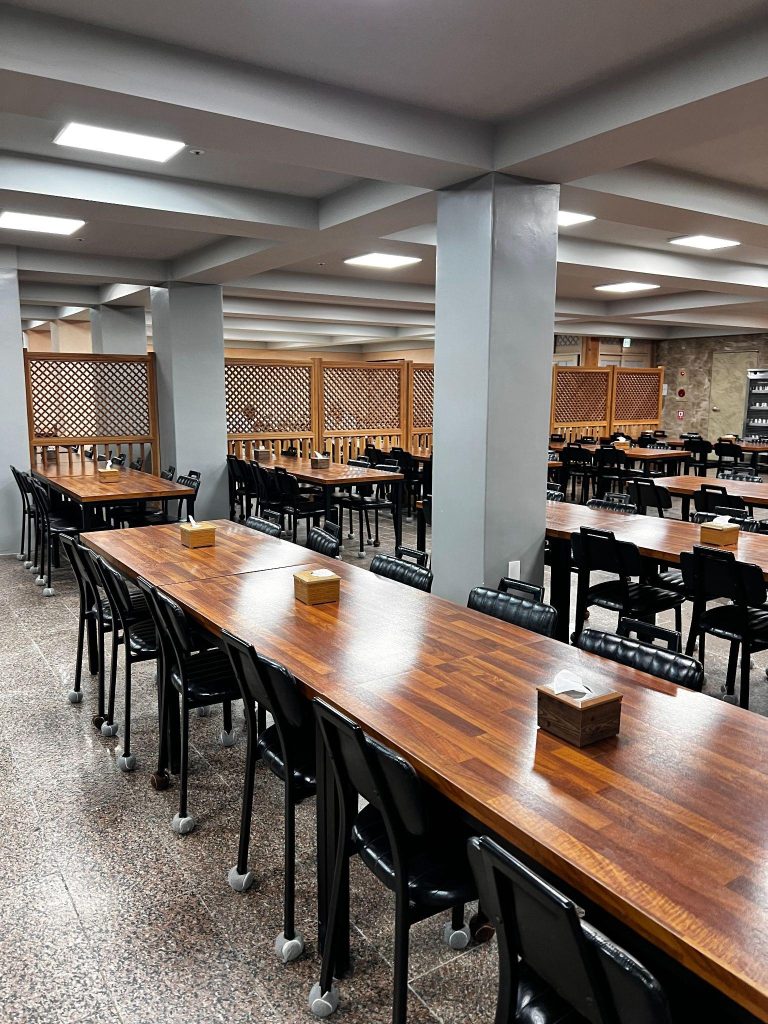
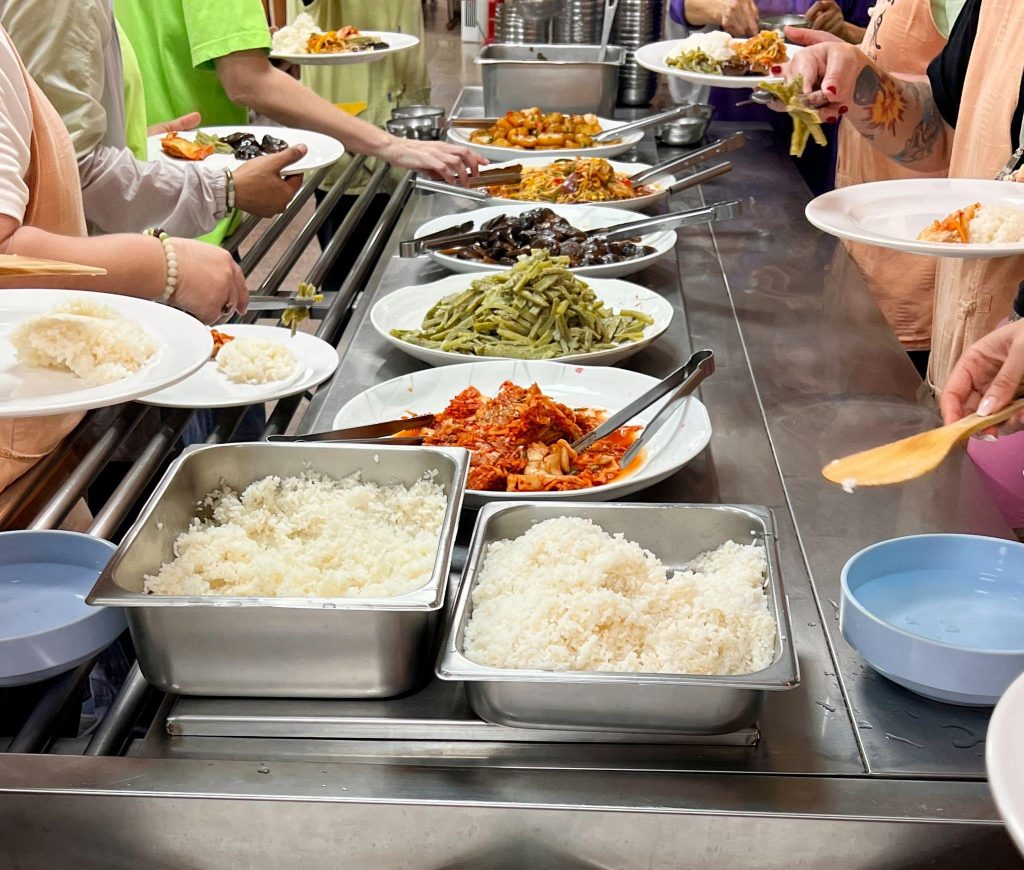
Korean Buddhist temple cuisine is plant-based and traditionally avoids meat and certain other ingredients.
Meals commonly include rice, soup, kimchi, vegetables, and seasonal side dishes.
Menus and dietary accommodations vary. If you have food allergies, intolerances, or other dietary needs, contact the temple before your stay rather than assuming a particular meal will be safe for you.
Can I Bring Outside Food?
Temple meals are generally provided, and outside food may be discouraged depending on the temple.
If you have medical or dietary reasons for bringing your own food or snacks, or you would like to bring food for children or personal dietary preferences, ask the Templestay staff beforehand.
Whatever you bring, be mindful that you are staying within an active Buddhist community and respect the temple’s food practices.
Are There Showers and Modern Facilities?
Facilities vary considerably from temple to temple.
Some Templestay accommodations have modern bathrooms, showers, heating, air conditioning, or electrical outlets, while others may offer more traditional or shared facilities.
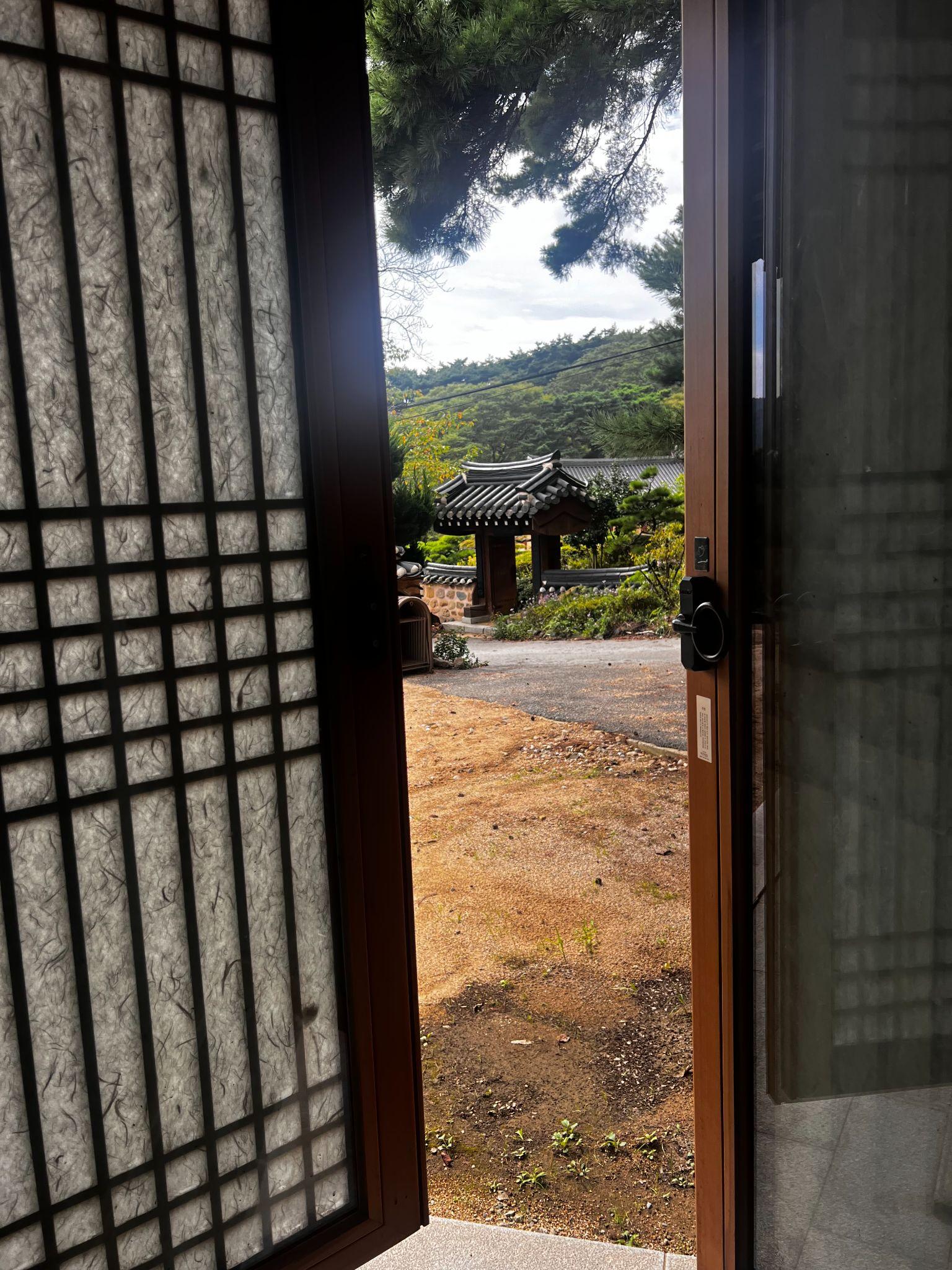
At Sudeoksa, our lodging included a restroom and shower in the room I shared with three other women, as well as electrical outlets for charging electronics.
Of course, having an outlet doesn’t mean you have to use it. Disconnecting for a while is part of the experience!
What Should I Call Korean Buddhist Monks and Nuns?
“Sunim” (스님) is the respectful Korean title used when addressing Buddhist monastics.
During our orientation at Sudeoksa, we were specifically instructed to address the monks and nuns we met as Sunim.
What About Bowing, Chanting, and Other Buddhist Practices?
You don’t need to be Buddhist to respectfully experience a Templestay.
However, remember that you are a guest in an active religious community rather than visiting a staged tourist attraction.
Listen to the instructions provided by your hosts, observe respectfully, and ask questions when you’re unsure about a practice.
If you are uncomfortable participating in something for religious or personal reasons, speak with the Templestay staff about how you can respectfully observe instead.
Our Templestay staff at Sudeoksa was extremely accommodating, and many of our guests asked for accommodations during the program.
How Much Does a Templestay Cost?
Prices vary by temple, program type, length of stay, and included activities. Some special programs may also be offered free of charge to participants.
Check the individual program listing for current pricing and exactly what is included before booking.
Where Can I Book a Templestay in Korea?
The official Templestay website allows visitors to explore participating temples and programs, find English-language information, and make reservations.
You can search by location and program type to find an experience that works for you.
Advance booking is recommended, particularly for popular programs and peak travel periods.
Preparing for Your First Templestay in Korea
Every Templestay experience is different. Programs, accommodations, schedules, language support, meals, and activities vary depending on the temple and the type of program you choose.
The best thing you can do before your visit is read the program information carefully, contact the temple if you have specific questions or accessibility needs, and arrive ready to respectfully experience something that may be very different from your everyday routine.
A Templestay doesn’t require you to be Buddhist or already understand Korean Buddhist traditions. Part of the experience is learning.
Bring comfortable shoes, an open mind, and a willingness to slow down.
Continue Exploring Sudeoksa and Yesan
A Templestay is only one way to experience Sudeoksa and the surrounding Yesan area. If you’re not ready for an overnight stay, South of Seoul’s Sudeok Temple Day Trip Itinerary offers another way to explore the temple, local food, shopping, art, and the surrounding area.
Yesan is also known for its agricultural experiences, especially apples. If you’re visiting during the fall, check out Fall Apple Picking in South Korea is the Perfect Day Out for another way to experience the region.
Article Information & History
Article History
No formal audit has been recorded for this article under the current South of Seoul editorial process.
Before You Act
South of Seoul articles document information available at a particular point in time. Prices, hours, services, policies, procedures, laws, eligibility requirements, transportation, contact details, and local conditions can change.
Use this article as a research starting point and confirm important details using current official resources, direct contact, Naver Maps, Kakao Map, and other reliable sources when appropriate.
For consequential immigration, legal, medical, or financial decisions, confirm current requirements with the relevant official authority or an appropriately qualified professional.
See something that needs updating?
Help us keep practical information useful. Reader reports are reviewed by our editorial team and do not automatically change this article.


 South of Seoul

 KimchiRednecks