ContentsView article sections
“Just Be Present”: Seon Meditation, Buddhist Tradition, and What I Learned During an Overnight Templestay in Yesan
Among the many cultural experiences available in Yesan, Sudeoksa’s Templestay program offers visitors an opportunity to step beyond sightseeing and experience Korean Buddhist traditions firsthand.
Surrounded by the peaceful landscape of Mt. Deoksung, visitors can experience meditation, tea ceremonies, communal meals, Buddhist traditions, and the rhythms of daily temple life.
I joined an overnight Templestay at Sudeoksa. I expected to learn more about Korean Buddhism and experience a different side of Korean culture. What I found was something far more personal: an opportunity to slow down, reflect, ask difficult questions, and simply be present.
Sudeoksa Templestay at a Glance
Location: Sudeoksa Temple in Yesan
Experience: Overnight Buddhist Templestay
Activities may include: Seon meditation, temple ceremonies, tea ceremonies, Dharma talks, communal meals, and singing bowl meditation
Accommodations: Traditional hanok-style rooms with floor sleeping
Booking: Korea’s official Templestay website
Programs, activities, and schedules may vary, so visitors should confirm the details of their specific Templestay when booking.
Stepping Into 1,500 Years of History
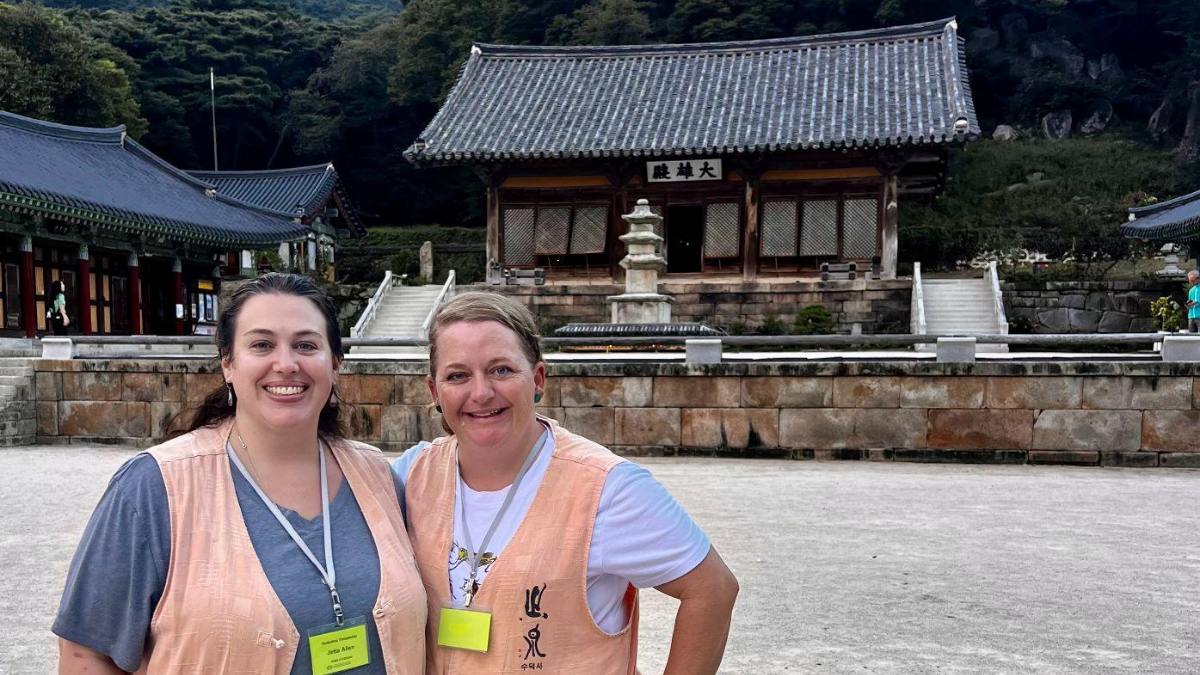
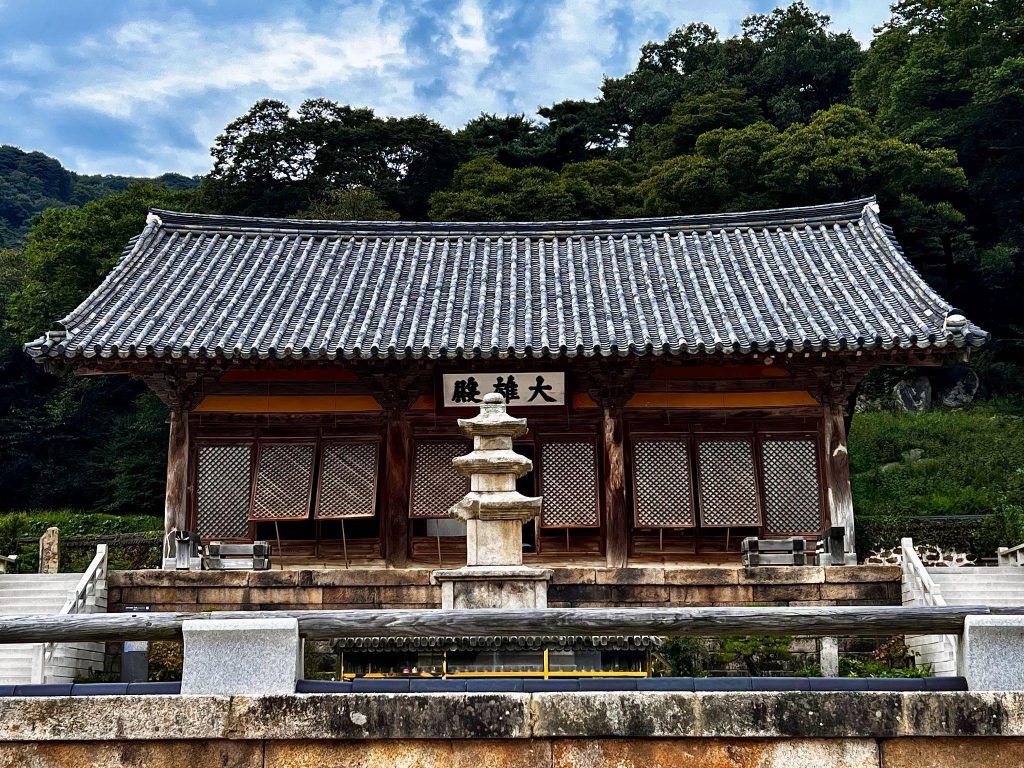
Sudeoksa is one of Korea’s oldest Seon, or Zen, temples, with origins tracing back to the 6th-century Baekje Kingdom. Daeungjeon Hall, built in 1308 and now designated a National Treasure, stands as one of Korea’s oldest wooden structures and reflects the temple’s enduring role as a center of Buddhist training.
Remarkably, Sudeoksa survived the Japanese invasions of Korea. Even its natural surroundings hold centuries of history, from a 150-year-old pine to a 300-year-old Jerichoba tree. Each is a silent witness to the passage of time.
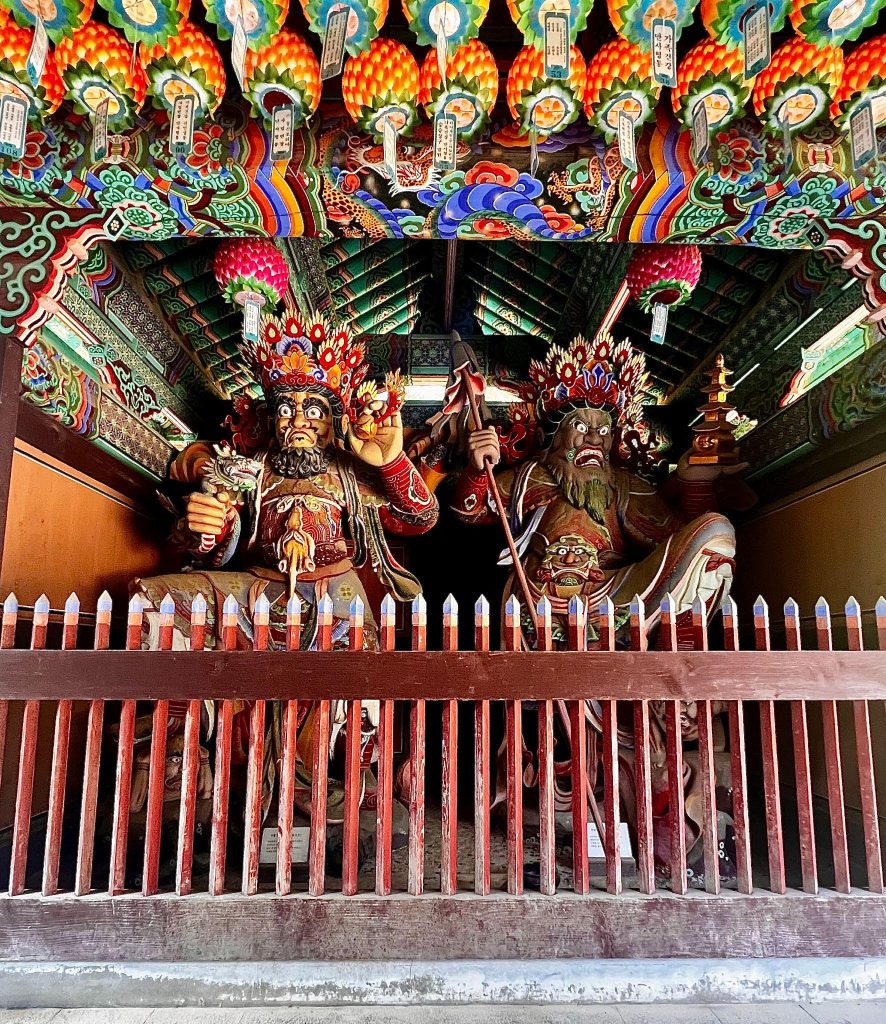
Welcoming the World Through Templestay
During the 2018 PyeongChang Winter Olympics, a lodging shortage helped inspire opportunities for international visitors to experience Korea’s temples through Templestay. Sudeoksa welcomed international visitors through the Jogye Order, offering experiences such as meditation, tea ceremonies, and communal meals.
I was honored to join a foreigner-focused Templestay through the International Dharma Instructors Association, or IDIA. This opportunity was extended to USFK participants and members of the international community from Humphreys, Osan, Yongsan, and Kunsan.
I was especially grateful to receive permission to photograph throughout the Templestay. And also, that they allowed me to share this experience with our community while respecting the traditions and practices of the temple.
The program exceeded my expectations. Its thoughtful conversations and flexible approach encouraged reflection, connection, and personal growth. Documenting the experience also gave me an opportunity to answer questions readers may have about this unique cultural experience.
More than a historic landmark, Sudeoksa remains a living sanctuary where centuries of tradition meet contemporary visitors.
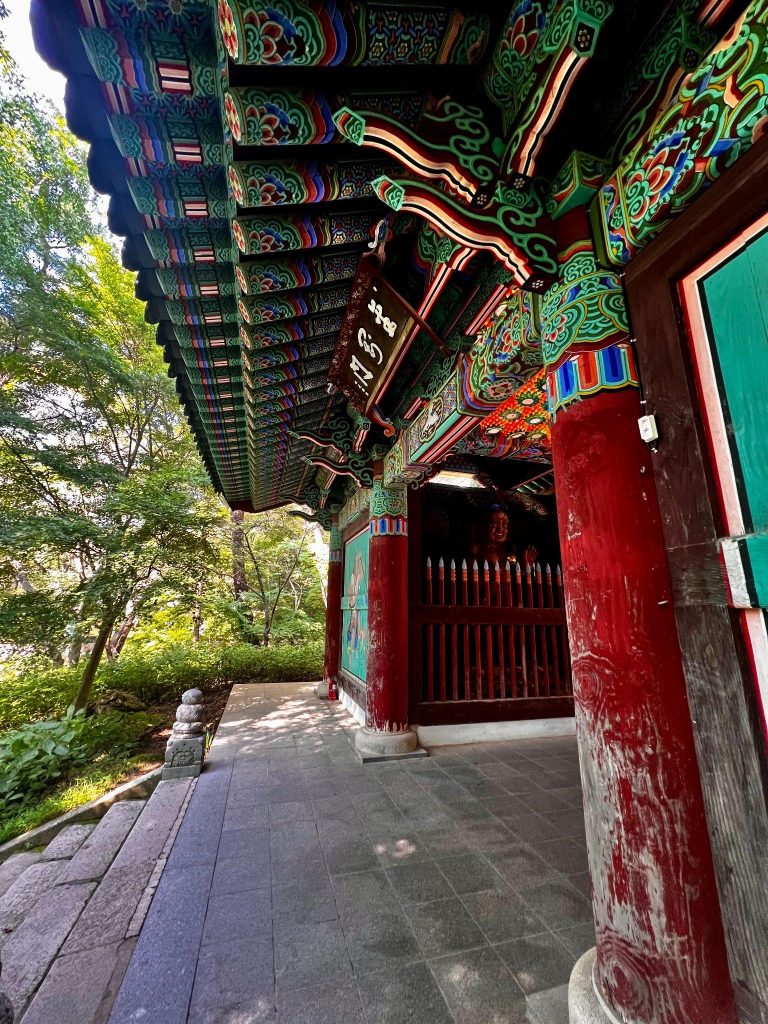
Arriving at Sudeoksa for Our Templestay
Our first day started easily enough as I headed up the mountain toward the Templestay office and lodging area. Templestay guests can drive nearly all the way up the mountain to a designated parking area rather than parking in the main lot or in town.
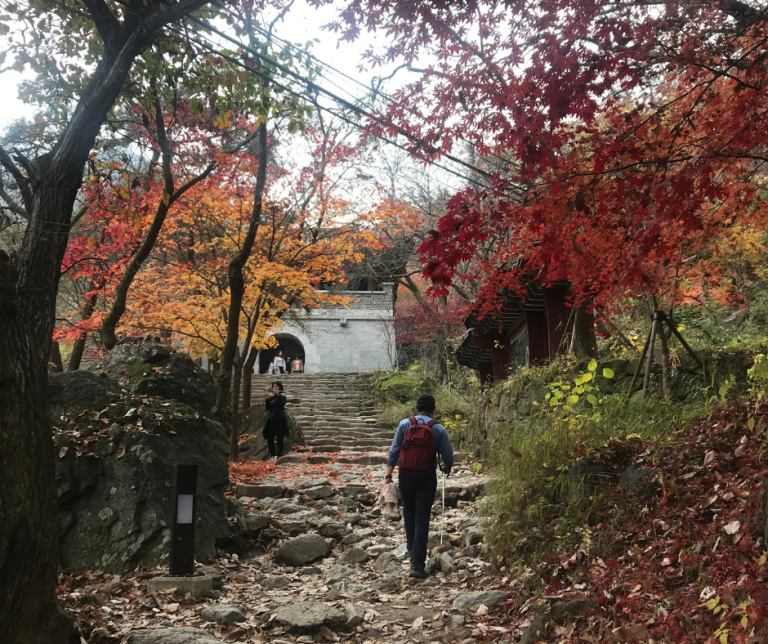
The winding roads up Deoksungsan Mountain, framed by arching tree branches, seem to welcome you not only to the mountain but to an experience of embracing peace. Red pines, oaks, and maples blanket the area, bursting into vibrant color each autumn.
The sound of rushing water from the stream mingles with rustling trees, birdsong, and fluttering butterflies. You can’t even imagine a place more peaceful, and we would get to experience this and so much more during our stay.
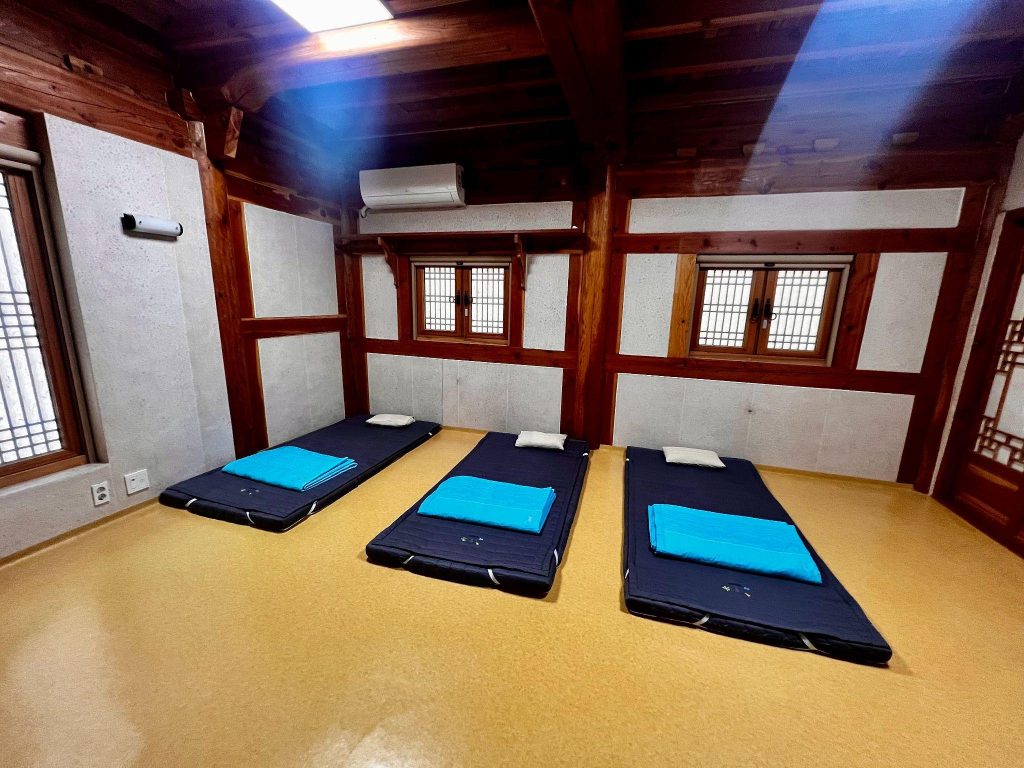
What to Expect From the Accommodations at Sudeoksa
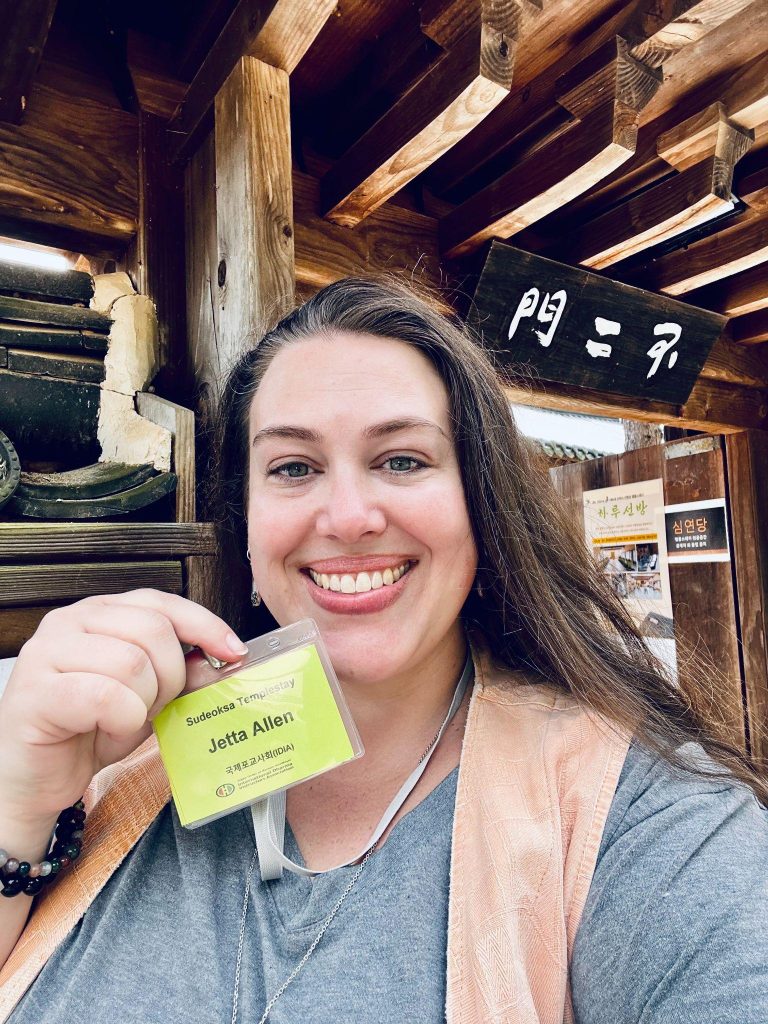
After a quick check-in, we received T-shirts or vests to wear during the program, along with name tags.
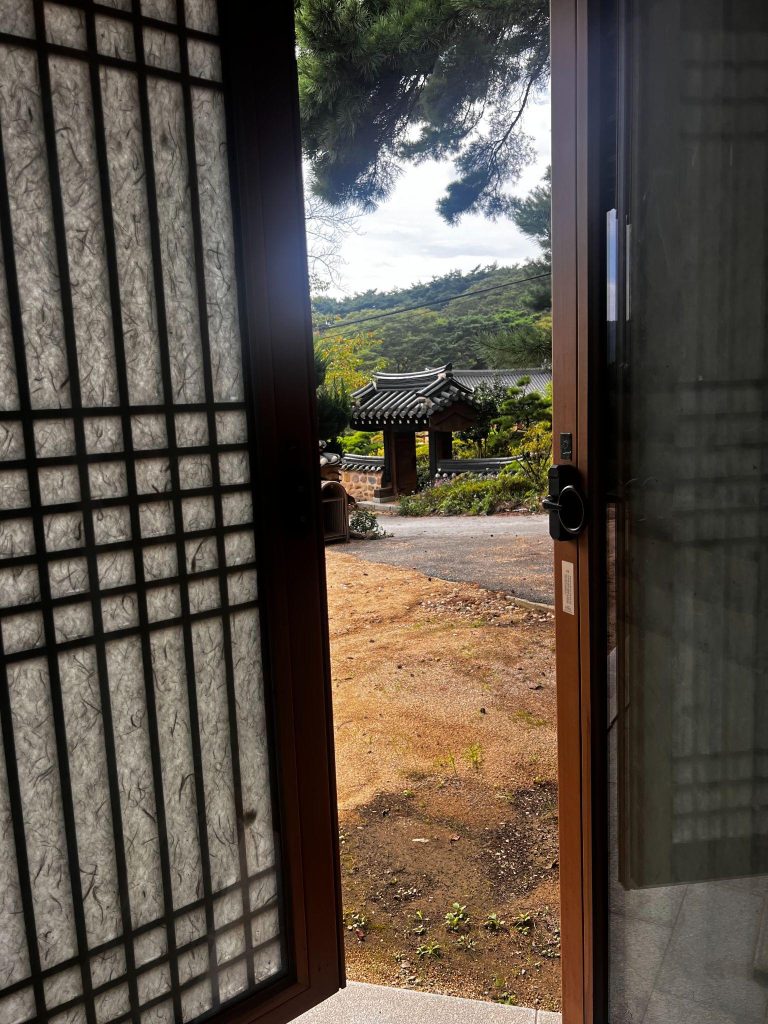
Visitors at Sudeoksa stay in traditional hanok-style lodging. Guests sleep on the floor in communal rooms shared with one to three other guests, depending on room size. Each room included its own restroom and shower. While there are modern conveniences, they never overshadowed the elegant woodwork and hanji paper-covered doors and windows.
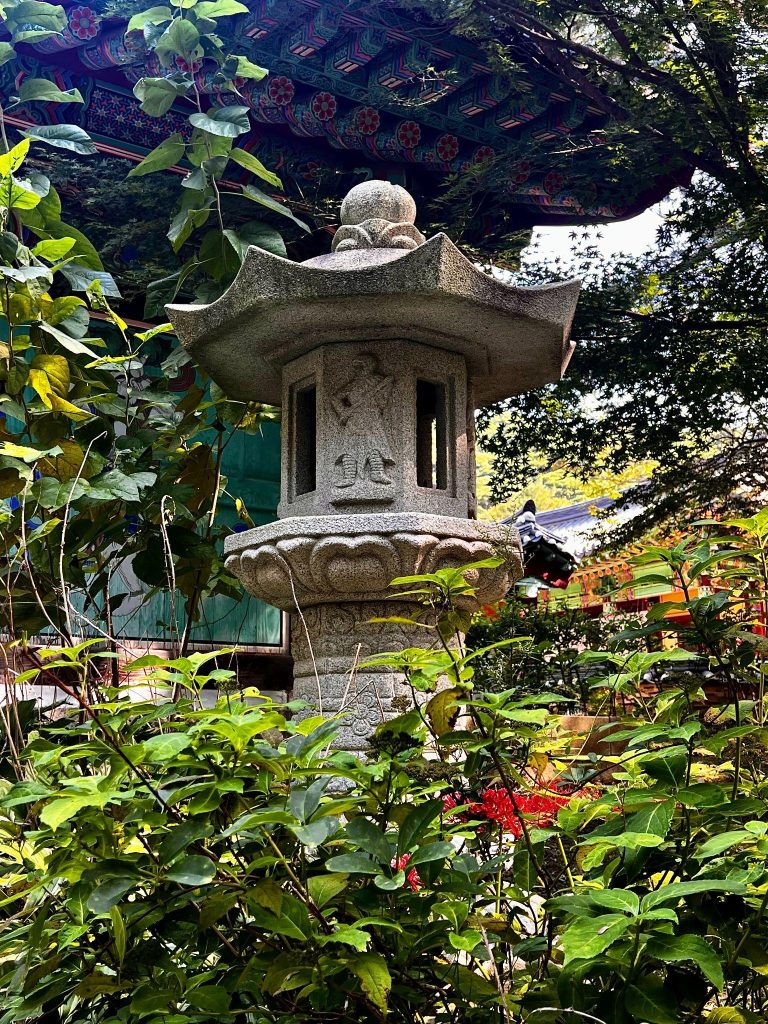
Learning About Sudeoksa and Korean Buddhist Traditions
Saturday began with orientation, greetings, and a temple tour.
We met our IDIA sponsors, including President Gyutae Cho and Duksoo Kim, IDIA General Manager of the Templestay Department, who shared the temple’s history and details about the program.
We also learned to address monks as Sunim, a title is one of deep respect in Korean Buddhism. It recognizes their devotion to spiritual practice, the pursuit of enlightenment, and compassionate service.
Our tour continued through the temple grounds and Sudeoksa Museum, which showcases Buddhist art, scriptures, and cultural relics tracing the temple’s 1,500-year history and role in Korean Buddhism.
When the Temple Comes Alive with Sound
Our evening Offering, or meal, was shared in the kitchen hall with other visitors, staff, volunteers, and Sunims.
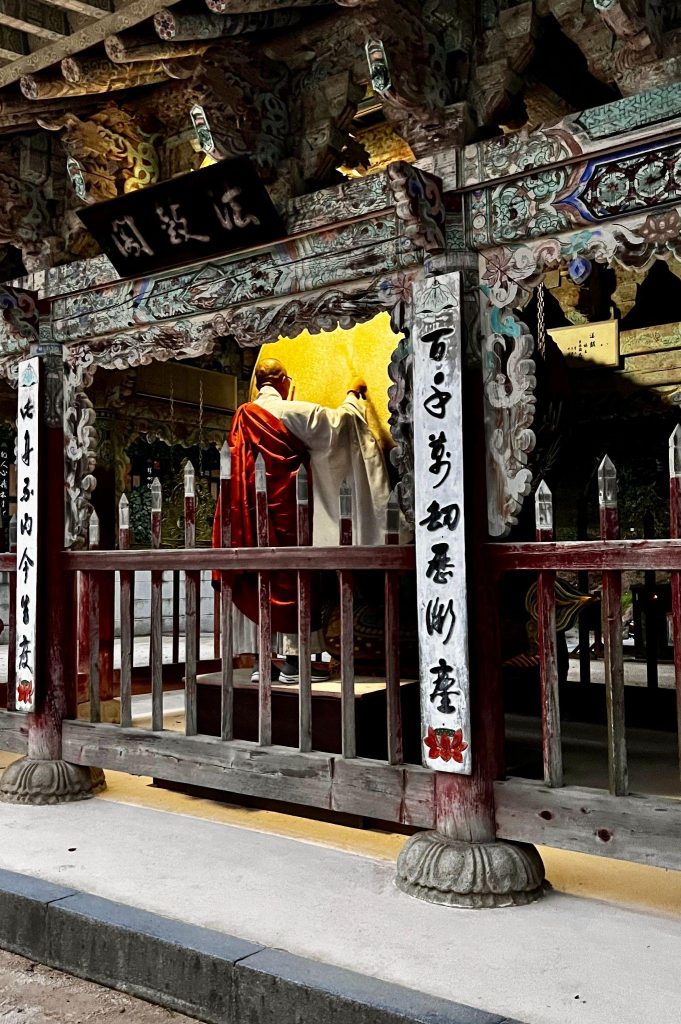
Afterward, we walked the grounds and listened as three Sunims played the temple’s Buddhist ceremonial instruments.
First came the great Dharma Bell, followed by the Dharma Drum calling out to all beings on earth. Next was the carved wooden fish drum, or Mokeo, symbolizing constant awareness, followed by the resonant bronze Cloud Gong, carrying prayers across the heavens.
Our final group activity that evening would become one of the most memorable parts of my stay. We were treated to a tea ceremony and Dharma talk with two Sunims.
Finding Wisdom Over a Cup of Tea
The tea ceremony and Dharma talk with Choeun Sunim and Venerable Jeong-Beom Sunim left a lasting impression.
In Korean Buddhism, Dharma refers to both the teachings of the Buddha and the lived experience of practicing those truths in daily life.
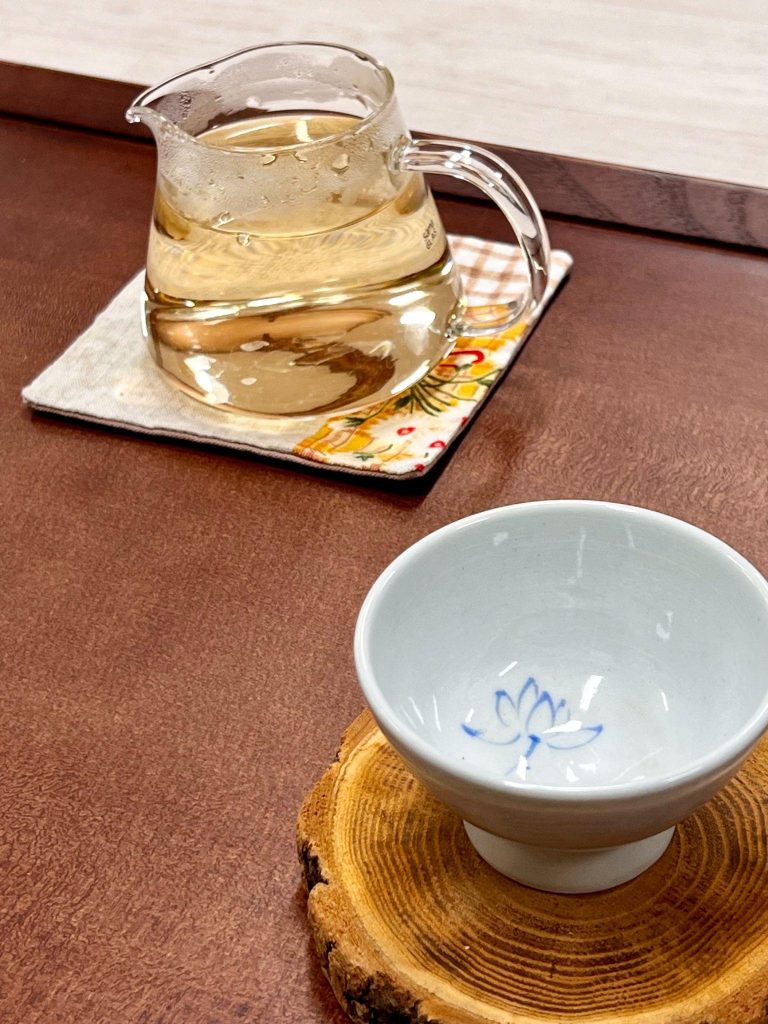
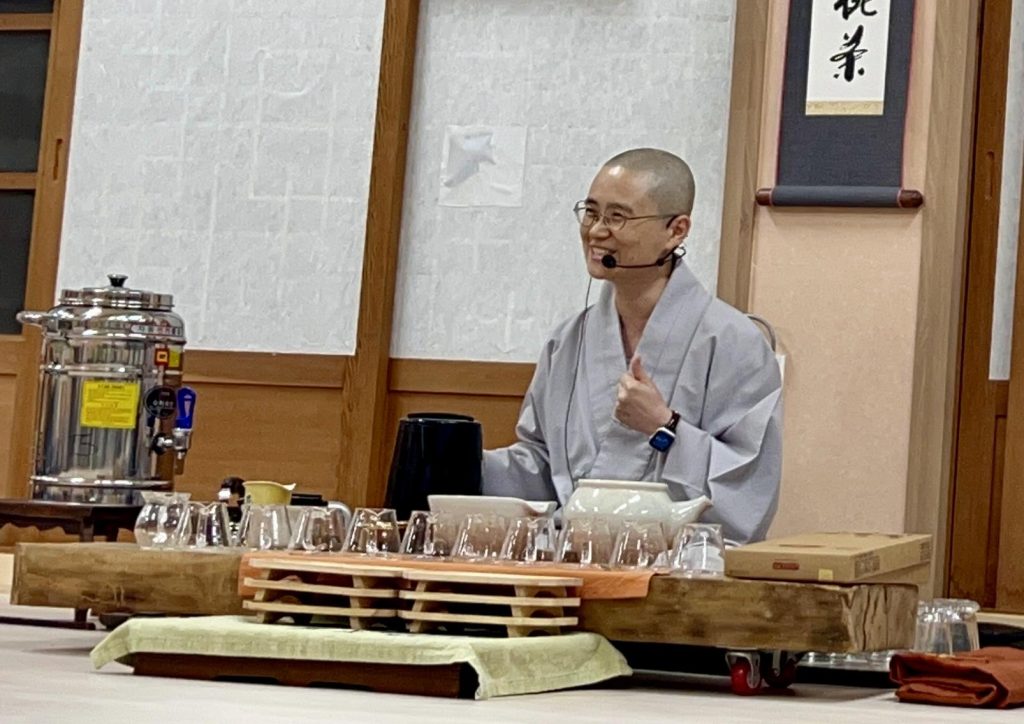
Our group sat in a circle, with one tea table shared between every two visitors. Choeun Sunim prepared white tea and guided the conversation.
Understanding Our True Nature
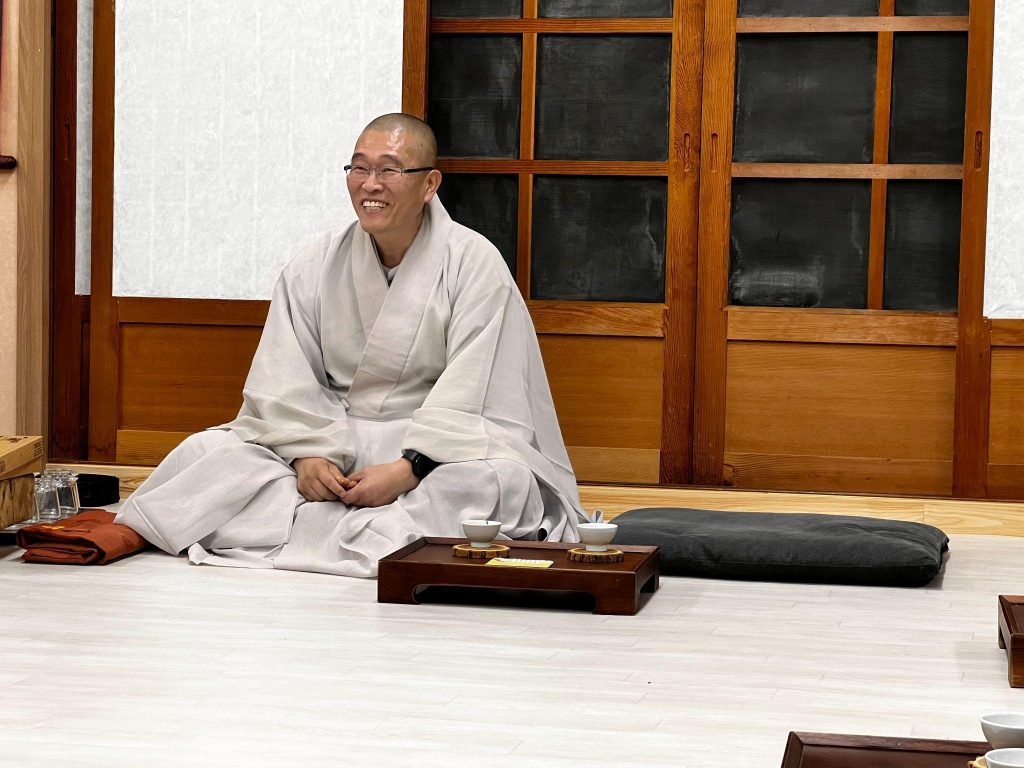
Choeun Sunim shared the history of Sudeoksa as well as the personal journeys of herself and Venerable Jeong-Beom Sunim, who has lived at Sudeoksa since 1982 after arriving as a young boy.
He emphasized one of the most important Buddhist principles: understanding one’s true nature.
By asking questions such as “Who am I?” and learning to observe our true selves, he explained, we can gain insights that improve our daily lives.
Learning to Actually Meditate
When I asked Choeun Sunim what Buddhist principle people could take with them after leaving the temple, her answer was meditation.
It doesn’t matter how much information you absorb or how many books you read about meditation or Buddhism, she explained. You must learn to actually meditate.
To let go. To clear your mind. To sit silently and self-reflect.
In doing so, we can begin to examine “Who am I?”, understand our current reality, and distinguish what is true from what is not.
Understanding Our Own Suffering
The discussion also turned to suffering. Life inevitably brings both happiness and sadness, love and loss, responsibilities and struggles.
When someone in our group asked how we can help others who are suffering, Choeun Sunim explained that we must first work on ourselves.
We have to understand our own suffering, recognize what it is doing to us and those around us, and develop greater awareness before we can effectively help others.
Asking the Harder Questions
I then posed a more personal question:
“How do we minimize thoughts connected to real trauma or even PTSD… The thoughts we cannot always control, that aren’t planned or intentionally dwelled upon, but seem to come out of nowhere?”
It was personal. But it was also a question I knew the service members and military spouses in our group could benefit from discussing.
Choeun Sunim encouraged us to first observe those thoughts when they appear. And then we should become aware of what is happening in that moment.
How do you feel when those thoughts occur?
Are the events in those thoughts happening right now?
If they are not happening in the present moment, she explained, we can learn to recognize the reality of the present: that what happened belongs to the past and is not occurring in our current moment.
Meditation and clearing the mind can help us return to that present reality.
She also offered another perspective: consider what we have learned and what may have grown from our pain.
Just as suffering is inevitable, so is pain. But how we learn from it and how it shapes us varies from person to person.
I found this deeply enlightening and far more than I ever expected from a single overnight Templestay. Those insights are something I know I will carry with me on my own journey.
After such an impactful evening, we returned to our hanoks. We had a little free time to shower, prepare for the next day, and reflect before bed.
The perspectives shared during this Dharma talk reflect Buddhist teachings and spiritual practice and should not be considered a substitute for professional mental health care or treatment.
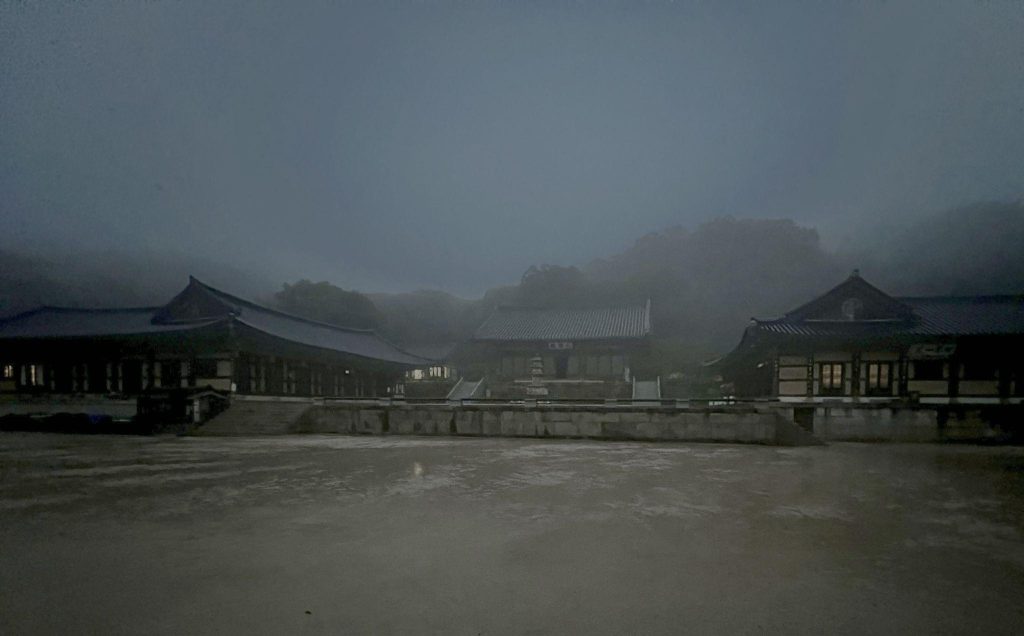
Waking Before the Sun
Morning begins early at a Buddhist temple, around 3:00 to 3:30 a.m. For visitors considering an overnight Templestay, it is worth knowing that the temple schedule may begin much earlier than most travelers are accustomed to.
We were told this quiet time welcomes the new day with clarity and provides an ideal opportunity to practice the teachings of Dharma.
After the morning ceremony, we joined Choeun Sunim for singing bowl meditation. Once again, we practiced clearing our minds, this time focusing on the sounds of the bowls.
There was something invigorating about it. The tones gave the mind a tangible sound to hold onto, helping the noises and distractions of the outside world fade away.
We practiced breathing and reflected quietly before heading to breakfast, or the morning Offering.
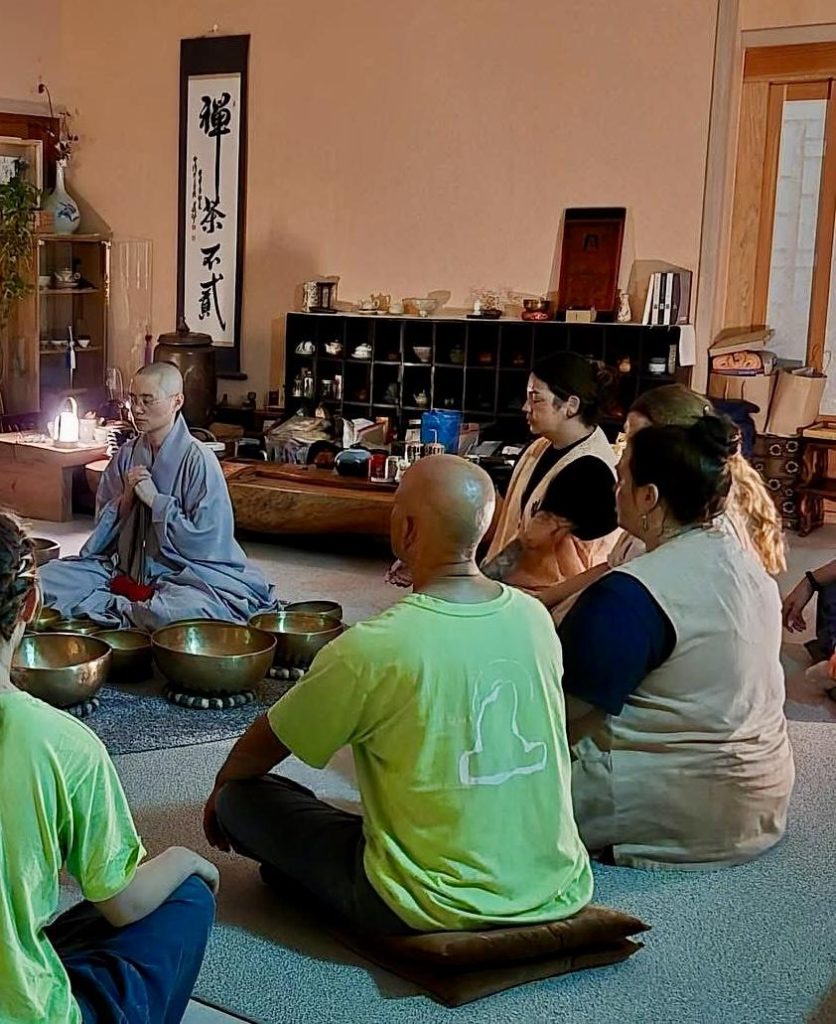
Finding Stillness Through Sound
After breakfast came free time to walk the temple grounds, hike, or enter the temples. Dawn had barely arrived, and being able to wander the grounds quietly and unencumbered was a delight.
We later returned for another singing bowl meditation session, this time lying down as the vibrations of the singing bowls seemed to pulse through us.
As our Templestay came to an end, each member of the group shared reflections on the experience and hopes that others would someday experience a Templestay for themselves.
One thought, in particular, came home with me:
“Just be present… That’s enough. Appreciate the presence of present.” — Choeun Sunim
Taking a Little Piece of Sudeoksa Home
In our busy lives, we don’t always make time to care for ourselves. We focus on parenting, responsibilities, the needs of others, the stresses of daily life, matters happening around the world, or sometimes simply escape into electronic games or the latest Netflix show.
A Templestay creates an opportunity to step outside that routine.
Listen to what your body, mind, and spirit are telling you. Consider a different philosophy or perspective. Learn something about attachment, reflection, or simply being still.
I highly encourage everyone to experience a Templestay at least once.
You may not know what you will take away when you arrive. But you might leave with exactly what you needed to hear for your own peace.
How to Book a Templestay in Korea
More than 100 Jogye Order temples throughout Korea offer Templestay programs, allowing visitors to choose experiences that fit their interests. Depending on the temple and program, experiences may include meditation, chanting, traditional arts, Seon meditation, painting, lotus lantern making, or simply time immersed in Korea’s mountain and seaside landscapes.
International visitors can search for programs and make reservations through the official Templestay website, which offers English-language information and allows users to search by location, theme, and program style.
Programs, schedules, and availability vary by temple, so advance reservations are recommended.
Visitors who want to learn more about Korean Buddhist culture, meditation, temple life, or preparing for a Templestay can also explore Templestay Webzine, the official online magazine of Korea’s Templestay program.
Sudeoksa Templestay FAQ
What is a Templestay in Korea?
Templestay programs give visitors opportunities to experience aspects of Korean Buddhist culture and temple life. Depending on the temple and specific program, activities may include meditation, chanting, Buddhist ceremonies, communal meals, traditional arts, or time for quiet reflection.
Where is Sudeoksa Temple?
Sudeoksa is located in Yesan and sits within the peaceful natural landscape of Mt. Deoksung.
Can international visitors participate in a Sudeoksa Templestay?
Yes. The program described in this article was specifically focused on international participants and included members of Korea’s USFK and international communities.
Programs differ throughout the year, so visitors should check Sudeoksa’s current Templestay offerings when planning their visit.
What are the accommodations like at Sudeoksa?
During this Templestay, participants stayed in traditional hanok-style rooms and slept on the floor. Rooms were shared with one to three other guests depending on room size and included a restroom and shower.
Room arrangements may vary by program.
What happens during an overnight Sudeoksa Templestay?
Our experience included a temple tour, communal meals, Buddhist ceremonial instruments, a tea ceremony and Dharma talk, morning temple ceremonies, singing bowl meditation, and time to quietly explore the temple grounds.
Specific activities may vary depending on the Templestay program.
How early do you wake up during a Templestay?
During our stay at Sudeoksa, the morning began around 3:00 to 3:30 a.m. with the temple’s early morning routine and ceremony.
Schedules vary, so check your specific program before arriving.
How do I book a Templestay in Korea?
Visitors can search for participating temples, available programs, themes, and locations through Korea’s official Templestay website. English-language information and reservation options are available through the site.
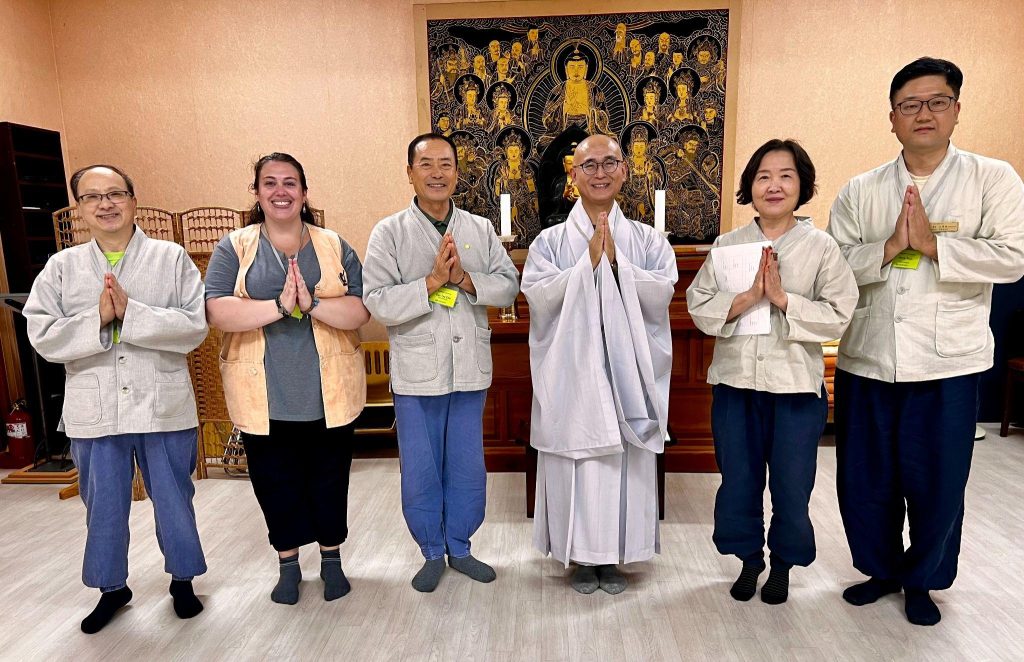
With Gratitude
Disclosure: I participated in this Templestay through an invitation from the International Dharma Instructors Association, or IDIA. The experience was provided at no cost to participating members of the USFK and international community. The experiences and reflections shared here are my own.
The participants of this Templestay extend heartfelt appreciation to the International Dharma Instructors Association, especially President Gyutae Cho, for the invitation to participate in and cover this Templestay event.
IDIA plays a meaningful role within the military-connected and international community by providing programs, meditation classes, and personal instruction that can help service members and their families explore mindfulness, manage stress, and navigate some of the unique challenges of life abroad.
We are also grateful to the volunteers and contributors who dedicated their time and support to our Sudeoksa experience:
- Choeun Sunim
- Venerable Jeong-Beom Sunim
- Bup Yu Sunim
- Gyutae Cho, IDIA President
- Duksoo Kim, IDIA General Manager, Templestay Department
- Kim Tae Za, IDIA member
- Harry Shin, IDIA member
- Chunghee Jung, IDIA member
Through their efforts, our communities gain meaningful opportunities to experience meditation, mindfulness, and Korean Buddhist traditions while building connections with the culture and community around us.
Explore Sudeoksa From Home
Sudeoksa Templestay
This video offers a serene tour of Sudeoksa Temple, highlighting its peaceful courtyards, lush trees, and traditional buildings. Viewers can glimpse monks in daily practice and experience a small piece of the cultural heritage, natural beauty, and spiritual calm found at Sudeoksa.
Sudeoksa’s Great Hall
Explore Sudeoksa’s historic Daeungjeon Hall, built in 1308. Its traditional wooden architecture offers visitors a remarkable look at centuries of Korean craftsmanship and the temple’s enduring cultural and spiritual legacy.
More to Discover in Yesan
A visit to Sudeoksa can be just the beginning of a larger Yesan adventure.
If you are considering a Templestay and want more practical information about the experience as well as places to explore nearby, continue with:
Sudeok Temple Day Trip Itinerary
Not ready for an overnight Templestay? You can still make Sudeoksa the centerpiece of a memorable day trip. This South of Seoul itinerary combines the temple with traditional mountain food, local shopping, Buddhist art, and time to explore the temple grounds.
Explore the Sudeok Temple Day Trip Itinerary
Fall Apple Picking in Yesan
Visiting Yesan during apple season? The region is known for its apples, making apple picking another fun way to experience the area. This South of Seoul guide shares a fall day at a Yesan orchard with apple picking and other farm experiences.
Plan a Fall Apple Picking Day in Yesan
Article Information & History
Article History
No formal audit has been recorded for this article under the current South of Seoul editorial process.
Before You Act
South of Seoul articles document information available at a particular point in time. Prices, hours, services, policies, procedures, laws, eligibility requirements, transportation, contact details, and local conditions can change.
Use this article as a research starting point and confirm important details using current official resources, direct contact, Naver Maps, Kakao Map, and other reliable sources when appropriate.
For consequential immigration, legal, medical, or financial decisions, confirm current requirements with the relevant official authority or an appropriately qualified professional.
See something that needs updating?
Help us keep practical information useful. Reader reports are reviewed by our editorial team and do not automatically change this article.

 South of Seoul

 KimchiRednecks