ContentsView article sections
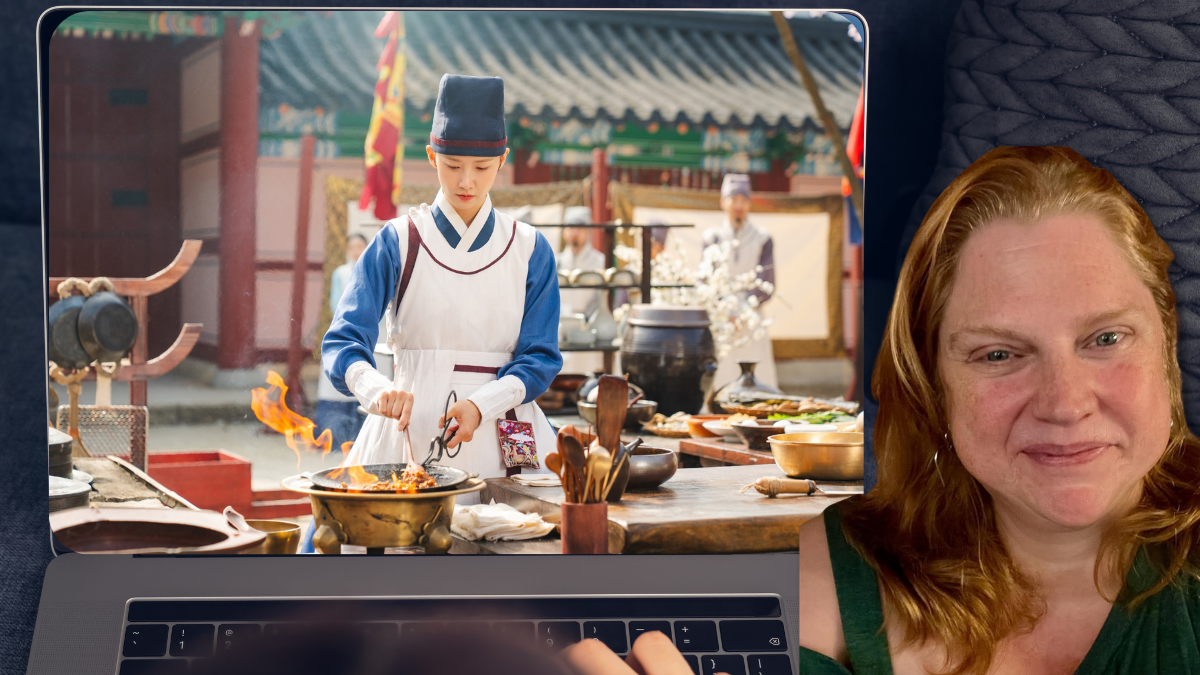
I’ll admit it, Joseon-era K-dramas are my weakness. If they combine Korean history, great storytelling, and incredible food, there’s a good chance I’ll love them. Bon Appétit, Your Majesty checked every one of those boxes.
Why Bon Appétit, Your Majesty Stands Out
I’ll admit that I have a weakness for Joseon-era K-dramas. There’s something about the elaborate court traditions, stunning hanbok, political intrigue, and beautifully prepared food that keeps drawing me back. So when Bon Appétit, Your Majesty premiered, it didn’t take long for it to earn a spot on my watchlist. Like the classic Dae Jang Geum (Jewel in the Palace) before it, this series uses food to tell a story about resilience, connection, and culture.
Storyline and Cast
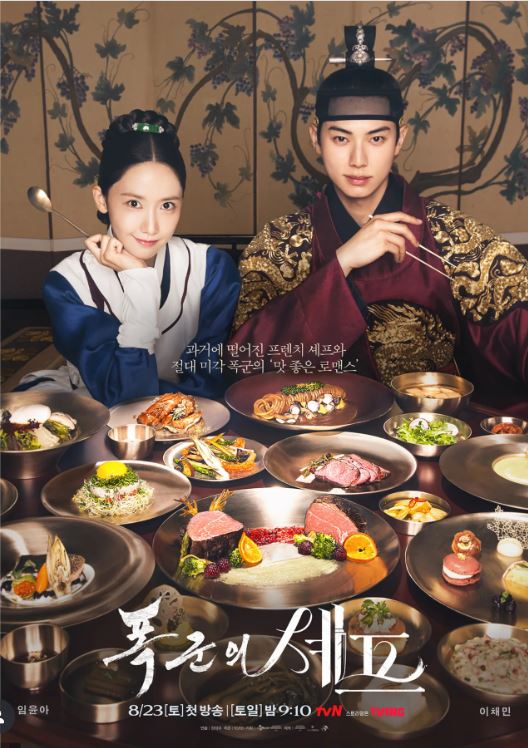
The story follows a modern French-trained chef, Yeon Ji-yeong. Her life takes an unexpected turn when she is transported back to the Joseon Dynasty. Instead of relying on politics or power to survive the royal court, she turns to the one skill she knows best: creating unforgettable meals. Viewers are treated to breathtaking palace scenery, fascinating glimpses of royal cuisine, and a story that highlights why the Joseon era continues to inspire some of Korea’s most beloved historical dramas.
On the surface, Bon Appétit, Your Majesty is an entertaining historical fantasy. But it stayed with me long after the final episode. The way it uses food to tell a deeper story about Korean culture and human connection makes it truly memorable.
Food as Storytelling in Korean Culture
Food is one of the things that makes Bon Appétit, Your Majesty so memorable. It isn’t just there to make you wish you had a snack nearby. It’s woven into the story itself. Meals build trust, solve problems, and connect people who might otherwise never understand one another. While the drama focuses on royal cuisine, it also reflects something I’ve come to appreciate after years of living in Korea. Food is at the heart of so many relationships and traditions.
If you’ve watched your fair share of K-dramas, you’ve probably noticed a pattern. Some of the best conversations happen around a table. Characters celebrate over Korean barbecue, comfort one another with a warm bowl of kimchi jjigae, or reconnect over a home-cooked meal. Food isn’t just something happening in the background. It’s often how characters show love, apologize, celebrate, and care for one another.
Discovering Korea One Recipe at a Time
Spending time exploring Korean cuisine has given me an even greater appreciation for scenes like these. While creating South of Seoul’s Learn Korean Cooking in a Year series, I discovered that every dish has a story. Many recipes are connected to family traditions, seasonal ingredients, regional specialties, or celebrations that have been passed down for generations. Bon Appétit, Your Majesty captures that same idea beautifully, showing that food is about much more than what’s on the plate. It’s about history, culture, and the people who gather around the table.
That appreciation for Korean food goes beyond dramas, too. One of Chuck’s and my favorite Korean television shows is Please Take Care of My Refrigerator (냉장고를 부탁해), also known internationally as Chef & My Fridge. We watch it every chance we get, even when English subtitles aren’t available yet. Watching talented chefs transform everyday ingredients into incredible meals has given us an even greater appreciation for Korean cuisine and the creativity behind it.
That’s one of the reasons Bon Appétit, Your Majesty stood out to me. It isn’t simply a story about a talented chef preparing beautiful dishes. It reminded me why I love Korean food in the first place. Whether it’s a simple family meal, an elaborate royal banquet, or a favorite recipe recreated in my own kitchen, food has a way of bringing people together. That’s a message that feels just as meaningful today as it would have during the Joseon Dynasty.
More Than Just a Historical Drama
A Feast for the Eyes
Bon Appétit, Your Majesty is every bit as beautiful as it is entertaining. The elaborate palace sets, colorful hanbok, and carefully prepared dishes make every episode a visual feast. More than once, I found myself pausing just to admire the details. Then I realized I’d also made myself incredibly hungry.
Winning Over Audiences Around the World
Word of mouth quickly helped the drama gain momentum. What started as a promising historical fantasy grew into one of the biggest Korean dramas of 2025. It didn’t take long for viewers to fall in love with the drama. Social media quickly filled with favorite scenes, memorable moments, and plenty of people trying to recreate the beautiful dishes from the series.
Like many successful productions, Bon Appétit, Your Majesty wasn’t without a few bumps along the way. Early discussions about historical details, including the use of incorrect Chinese characters in one episode, sparked conversations among viewers. The production team acknowledged the mistake and corrected it. Then, the conversation quickly shifted back to what people loved most about the drama.
Why Bon Appétit, Your Majesty Captured Viewers’ Hearts
For me, though, the biggest reason the series stands out isn’t the impressive ratings or the beautiful cinematography. It’s the way the story uses food to connect people across different backgrounds, experiences, and even centuries. That idea feels timeless. That’s one of the reasons Bon Appétit, Your Majesty remains one of my favorite recent Joseon-era dramas.
It also reminded me why I keep coming back to Joseon-era dramas. No matter how different each story may be, they all have a way of blending history, culture, memorable characters, and traditions into something that stays with me long after the final episode ends.
Why I Keep Coming Back to Joseon-Era K-Dramas
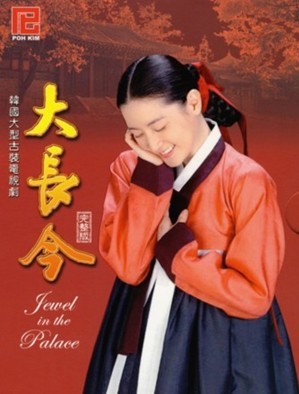
I’ll admit it, I have a soft spot for Joseon-era dramas. It all started with Dae Jang Geum (Jewel in the Palace). Watching Jang-geum rise from an orphan to become the first female royal physician was inspiring. It also introduced me to a side of Korean history I knew very little about at the time. It was a story of resilience, determination, and of course, incredible food. More than twenty years after it first aired, it’s still one of my favorite K-dramas.
From Palace Intrigue to Fantasy Adventures
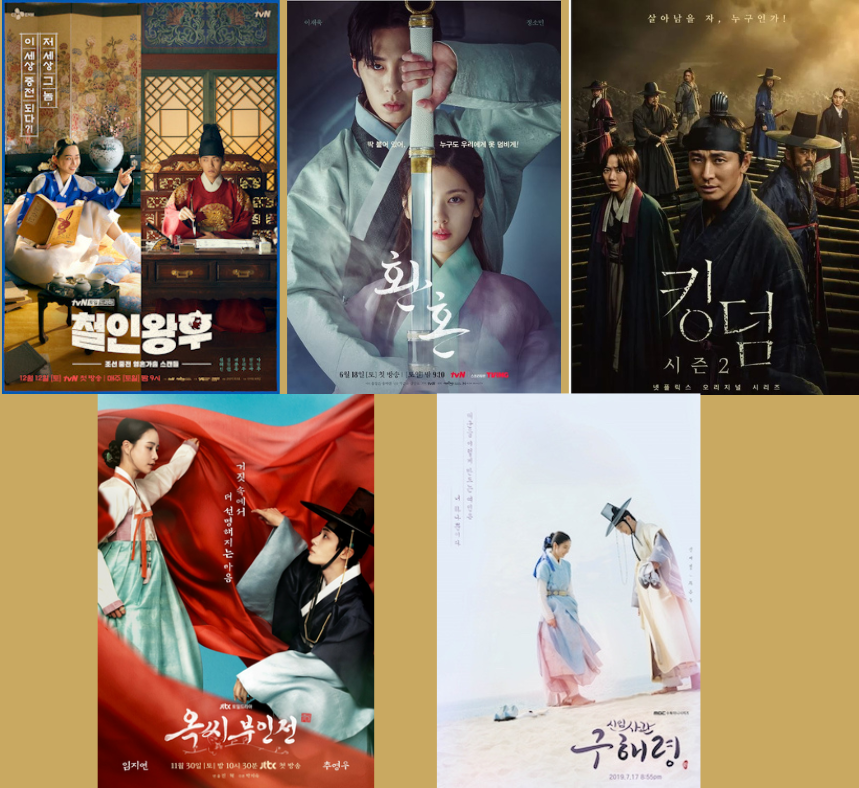
Over the years, I’ve found myself returning to Joseon-era dramas again and again, even when they take history in completely different directions. I’ve laughed through the chaos of Mr. Queen, been completely captivated by the fantasy world of Alchemy of Souls, and found myself on the edge of my seat during every episode of Kingdom. More recently, The Tale of Lady Ok and Rookie Historian Goo Hae-ryung reminded me that there are still fresh stories waiting to be told, even within a familiar historical setting.
Each drama brings something different to the table. However, they all share the rich traditions, beautiful hanbok, breathtaking palaces, and fascinating history that make Joseon such an unforgettable backdrop.
That’s one of the reasons Bon Appétit, Your Majesty felt so familiar while still offering something new. It combines everything I already love about Joseon-era dramas, including palace intrigue, memorable characters, and stunning historical settings, then adds food as the heart of the story. Instead of swords or political strategy driving the narrative, it’s meals, flavors, and shared experiences that bring people together. As someone who loves both Korean food and historical dramas, it was a combination that was almost impossible not to enjoy.
The Joseon Dynasty: The Heart of Korea’s Historical Dramas
If you’ve watched more than a handful of historical K-dramas, you’ve already spent plenty of time in the Joseon Dynasty, even if you didn’t realize it. It’s the backdrop for countless palace dramas. Filled with kings, queens, scholars, royal guards, political intrigue, and enough twists, they keep us clicking “Next Episode” long past bedtime.
The Joseon Dynasty ruled Korea from 1392 to 1897, making it the country’s longest-ruling dynasty. It was also one of Korea’s most influential periods. During this time, King Sejong the Great introduced Hangul, the Korean alphabet, and many of the traditions, customs, architecture, and royal ceremonies we still associate with Korea today began to take shape.
It’s no surprise that filmmakers keep returning to this era. The Joseon Dynasty offers everything needed for unforgettable storytelling: fascinating historical figures, breathtaking palaces, elaborate court traditions, and enough real history to inspire romance, mystery, comedy, and fantasy alike. Even when a drama takes creative liberties, the setting itself is rooted in one of Korea’s most remarkable periods.
Experience Joseon Beyond the Screen
One of the things I love most about living in Korea is realizing these stories don’t have to end when the credits roll. Many of the places that inspired my favorite Joseon-era dramas, or served as their filming locations, can actually be visited.
I still remember the first time I visited Dae Jang Geum Park in Yongin. Walking through the palace sets where so many historical dramas have been filmed felt like stepping into another time. Whether you’ve watched Dae Jang Geum, Moon Embracing the Sun, or countless other Joseon dramas, it’s easy to understand why this location continues to be one of Korea’s most popular filming sites.
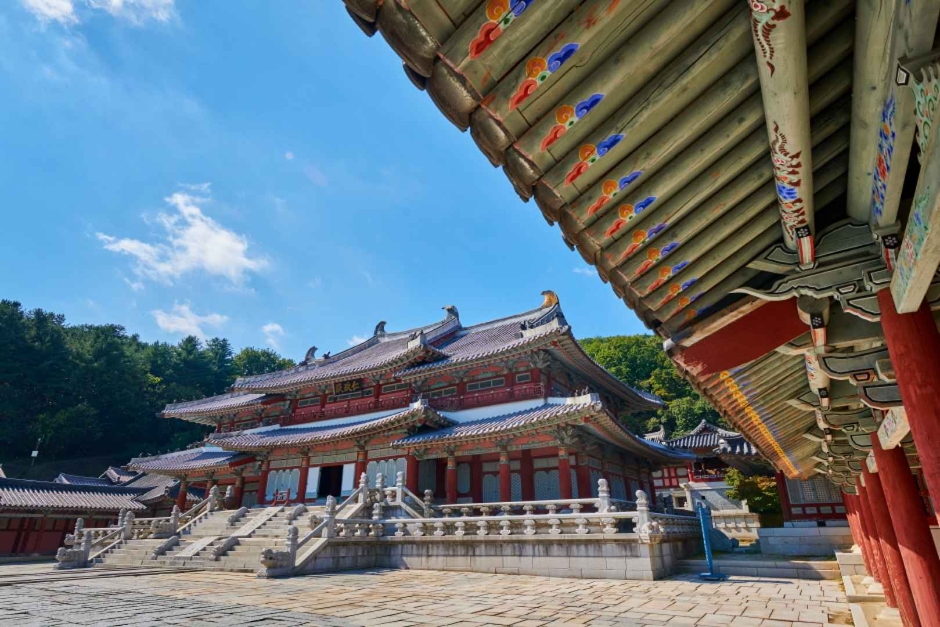
[NAVER Map]
Yongin Dae Jang Geum Park
Gyeonggi-do Yongin-si Cheoin-gu Baegam-myeon 778-1
What I enjoy most about watching Joseon-era dramas is recognizing places I’ve visited or adding new destinations to my travel list. Before long, a favorite K-drama becomes more than entertainment. It becomes inspiration to explore Korea’s history, food, and culture for yourself.
A Final Thought
When I first started watching Bon Appétit, Your Majesty, I expected an entertaining historical K-drama with beautiful food and a fun time-travel twist. What I didn’t expect was how much it would remind me why I keep coming back to Joseon-era stories. They combine history, unforgettable characters, beautiful settings, and traditions that still shape Korea today.
What makes this drama stand out is the way it puts food at the heart of the story. Every meal becomes an opportunity to build trust, strengthen relationships, and bridge two very different worlds. After years of exploring Korean cuisine, writing South of Seoul’s Learn Korean Cooking in a Year series, and traveling to places that bring Korea’s history to life, those moments resonated with me in a way few dramas have.
Whether you’ve been watching K-dramas for years or you’re just beginning your journey, Bon Appétit, Your Majesty has something special to offer. If you’re drawn in by the palace intrigue, romance, or incredible food, I think it’s well worth adding to your watchlist.
And who knows? It might inspire you to visit a palace, try a traditional Korean dish, or discover another Joseon-era drama. If it does, then it’s done exactly what great storytelling should do: spark curiosity and leave you wanting to learn more.
Continue Exploring Korea
If Bon Appétit, Your Majesty leaves you wanting to dive deeper into Korean dramas, filming locations, and the rich history behind the Joseon Dynasty, here are a few more resources to continue your journey.
Expand Your K-Drama Watchlist
- Korea’s Top K-Dramas – Looking for your next favorite K-drama? Explore some of South of Seoul’s favorite Korean dramas, from timeless classics to modern hits.
- More K-Dramas to Watch for 2024 – While this list was originally published in 2024, many of these dramas remain excellent recommendations and are well worth adding to your watchlist.
Visit the Places Behind Your Favorite Dramas
- Open Drama Sets Across South Korea – Discover filming locations across Korea where you can step into the worlds of your favorite K-dramas.
- Dramas and the Filming Locations in Pyeongtaek, South Korea – Explore filming locations closer to Pyeongtaek and Camp Humphreys while discovering another side of Korea’s entertainment industry.
Explore Korean Cuisine
- Learn Korean Cooking in a Year – Inspired by the food in Bon Appétit, Your Majesty? Explore the stories behind Korea’s iconic dishes, compare different cooking styles through curated video resources, and find practical guides to shopping, pantry essentials, and cooking in Korea.
Dive Deeper into Korean Culture
- South of Seoul Book Club – Continue exploring Korea through thoughtfully selected books that introduce Korean history, culture, literature, and diverse perspectives on life in Korea and the Korean diaspora.
Frequently Asked Questions about Bon Appétit, Your Majesty K-Drama
Where can I watch Bon Appétit, Your Majesty K-Drama?
You can watch the series on Netflix in regions where it’s available., which offers both English subtitles and English voice-overs.
What is Bon Appétit, Your Majesty about?
The drama follows a modern French-trained chef who is suddenly transported back to the Joseon Dynasty. To survive palace intrigue, she uses her culinary skills to win over the king—turning food into a bridge between two worlds.
Is Bon Appétit, Your Majesty K-Drama based on a true story?
No, the drama is based on the web novel Surviving as Yeonsangun’s Chef by Park Guk-jae. While the Joseon Dynasty setting is real, the story itself is a blend of history, fantasy, and romance.
Why does food play such an important role in Bon Appétit, Your Majesty K-Drama?
Food is more than just a backdrop—it’s the main storytelling device. Meals connect characters emotionally, trigger memories, and even drive the romance forward. It’s part of what makes the show so unique compared to other historical dramas.
Why are so many K-dramas set in the Joseon Dynasty?
The Joseon Dynasty (1392–1897) is a rich period of Korean history full of tradition, politics, and cultural milestones. Its royal palaces, Confucian values, and dramatic court life provide the perfect setting for stories of intrigue, love, and resilience—making it a favorite for K-dramas like Bon Appétit, Your Majesty.
Is Bon Appétit, Your Majesty suitable for viewers new to historical K-dramas?
Absolutely. While longtime fans will appreciate the Joseon setting, the time-travel premise, romance, and focus on food make it approachable even if it’s your first historical Korean drama.
Was Bon Appétit, Your Majesty filmed at Dae Jang Geum Park?
Yes. Many of the drama’s palace scenes were filmed at Dae Jang Geum Park in Yongin, one of Korea’s largest historical drama filming sets. The park has served as a filming location for numerous Joseon-era dramas and gives visitors the opportunity to walk through authentic palace sets and experience the world of Korean historical dramas firsthand.
Article Information & History
Article History
No formal audit has been recorded for this article under the current South of Seoul editorial process.
Before You Act
South of Seoul articles document information available at a particular point in time. Prices, hours, services, policies, procedures, laws, eligibility requirements, transportation, contact details, and local conditions can change.
Use this article as a research starting point and confirm important details using current official resources, direct contact, Naver Maps, Kakao Map, and other reliable sources when appropriate.
For consequential immigration, legal, medical, or financial decisions, confirm current requirements with the relevant official authority or an appropriately qualified professional.
See something that needs updating?
Help us keep practical information useful. Reader reports are reviewed by our editorial team and do not automatically change this article.
 KimchiRednecks

 Zhen Yan Jin
 Min Gyeong Kim