ContentsView article sections
Picture this. It’s one of the hottest days of the year in Korea. The humidity is relentless, the sun is beating down, and all you can think about is finding the nearest air conditioner or a giant bowl of bingsu. Then you notice people lining up outside restaurants for steaming bowls of hot chicken soup.
At first glance, it seems completely backwards. Why would anyone choose hot soup when the summer heat is already so intense? But this beloved tradition is at the heart of Sambok, Korea’s Three Dog Days of Summer. Once you understand the history, customs, and philosophy behind it, eating a bowl of samgyetang on a sweltering day starts to make perfect sense.
What Is Sambok? Why Koreans Eat Hot Soup During Korea’s Three Dog Days of Summer
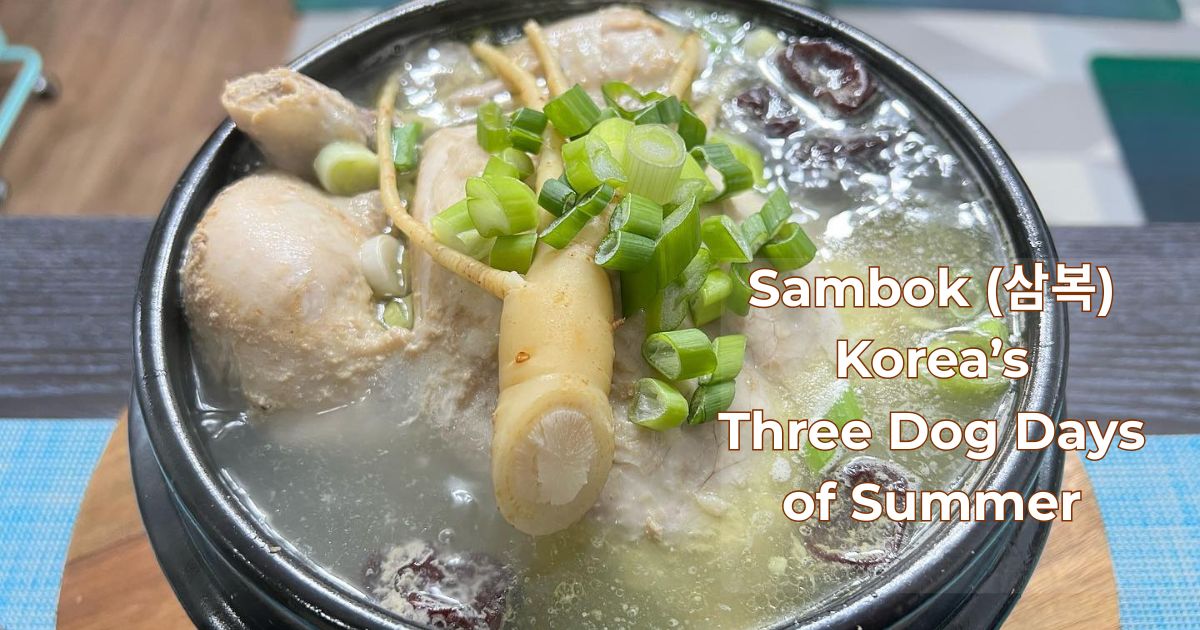
Sambok (삼복) in Korea refers to the three hottest days of the Korean summer, a traditional time when Koreans battle the intense heat with nourishing foods like samgyetang (ginseng chicken soup) and other time-honored customs. The term “bok” (복) originates from a Chinese character that resembles a dog lying on its stomach. This symbolizes how even animals lie flat and avoid movement during extreme heat. The meaning reflects the oppressive nature of the season: it’s so hot that you just want to stay still and not move.
Sambok 2026 Dates
The Sambok 2026 dates are:
- Chobok (초복) – July 15, 2026
- Jungbok (중복) – July 25, 2026
- Malbok (말복) – August 14, 2026
These dates are based on the lunar calendar and mark Korea’s hottest stretch of summer, also known as Boknal. Each day, from Chobok (the start) to Jungbok (the midpoint) and Malbok (the end), represents a significant moment in traditional Korean summer culture, when people observe specific food customs to combat the heat.
What are Chobok, Jungbok & Malbok?
In Korea, the hottest days of summer are known collectively as Sambok (삼복), which includes Chobok (초복), Jungbok (중복), and Malbok (말복). These are three milestone days based on the lunar calendar marking the beginning, middle, and end of peak summer heat. These days are also known as Boknal (복날), a term commonly used in everyday conversation to refer to this sweltering period. One of the most beloved Sambok traditions is eating hot, nourishing dishes like samgyetang (ginseng chicken soup). Koreans believe in embracing the belief that fighting heat with heat helps restore energy and stamina during the hottest days of the year.

The History and Cultural Significance of Sambok in Korea
The Origins of Sambok and Boknal Traditions in Korea
To fully understand the importance of Sambok in Korea, it’s helpful to explore its historical and cultural origins. Sambok has deep roots in East Asian tradition, originating during the Qin dynasty in ancient China. Historical records show that mid-summer rites during this period included offerings to ward off heat and disease, sometimes even involving dog sacrifices as symbolic protection against illness. The word “Bok” (伏) from a Chinese character meaning “to crouch” or “to submit,” reflects how the intense summer heat was believed to overpower the human body, so much so that even animals were imagined lying flat, drained by the oppressive temperatures.
In Korean history, Sambok was also a time when the government recognized the toll of the weather by easing physical labor and distributing ice to help citizens cool down. Farmers would perform small rituals during these days to pray for health, prosperity, and a bountiful harvest. Sambok was not just a seasonal marker but a meaningful moment in the agricultural and cultural calendar.
What to Eat and Do During Sambok: Korean Foods and Summer Customs
One of the most distinctive features of Sambok in Korea is the way people approach the heat, not by avoiding it, but by leaning into it. This ancient practice guided by the philosophy of 이열치열 (iyeolchiyeol), meaning “fight fire with fire,” believes that eating hot, energy-boosting foods helps the body sweat out fatigue and better cope with the extreme summer heat. Let’s explore the foods and customs that define this season.
One of the most iconic dishes enjoyed during Chobok, Jungbok, and Malbok is samgyetang. This hot, stamina-boosting soup reflects the essence of Korean summer traditions.
Samgyetang: Korea’s Ultimate Boknal Wellness Food
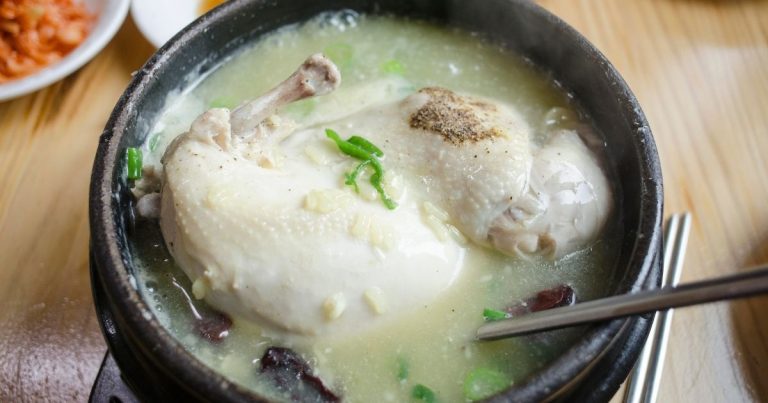
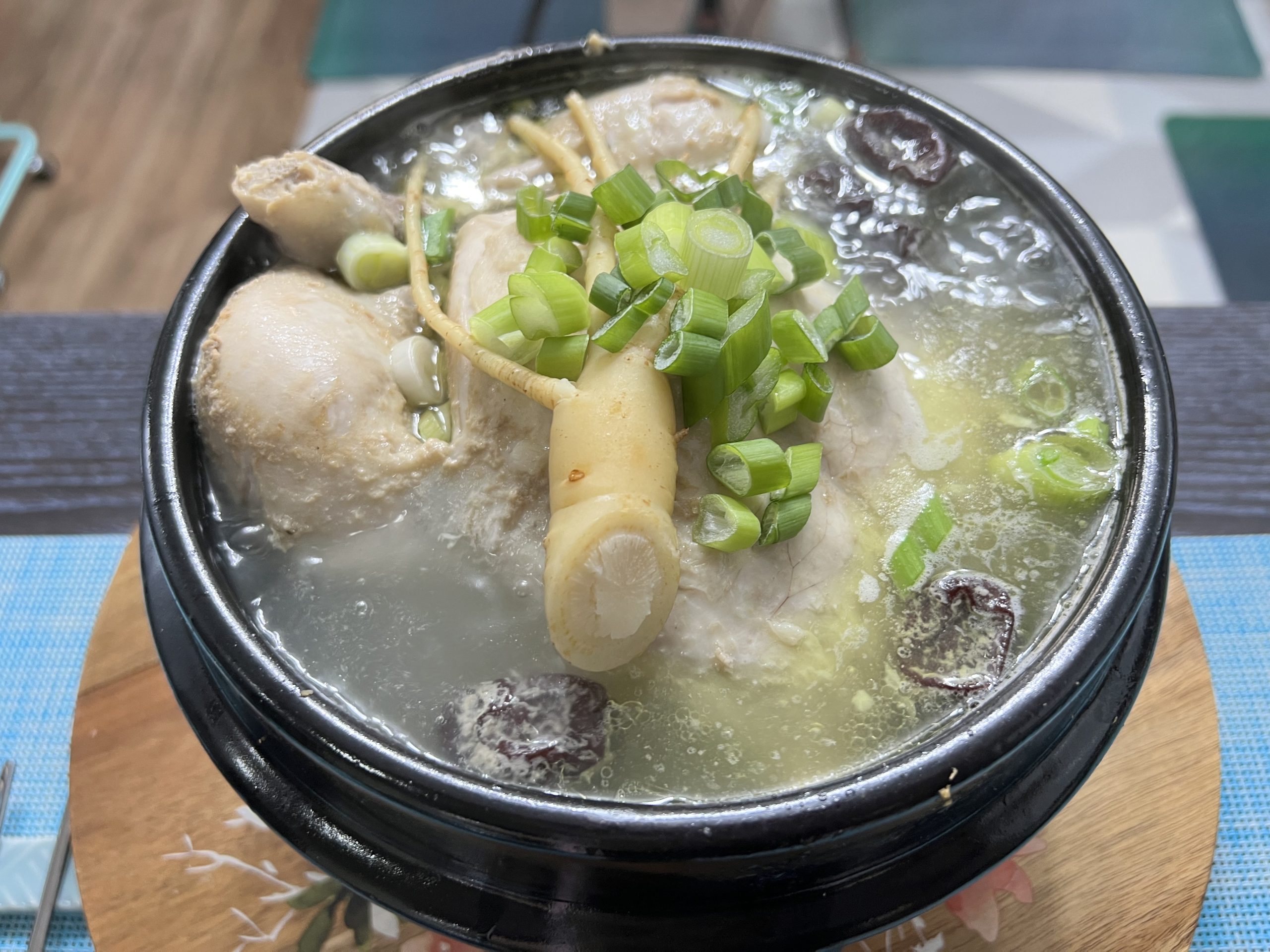
This iconic dish is the most widely recognized food associated with Sambok. Samgyetang is a steaming bowl of whole young chicken stuffed with glutinous rice, garlic, jujubes, and ginseng. Though it might seem counterintuitive to eat hot soup on a hot day, Koreans believe this nourishing dish replenishes lost nutrients, boosts stamina, and restores balance to the body. Learn more about this beloved Korean summer comfort food, including its history and how it’s made in our guide to Cooking Samgyetang.
Patjuk: Cooling Red Bean Porridge for the Summer Heat
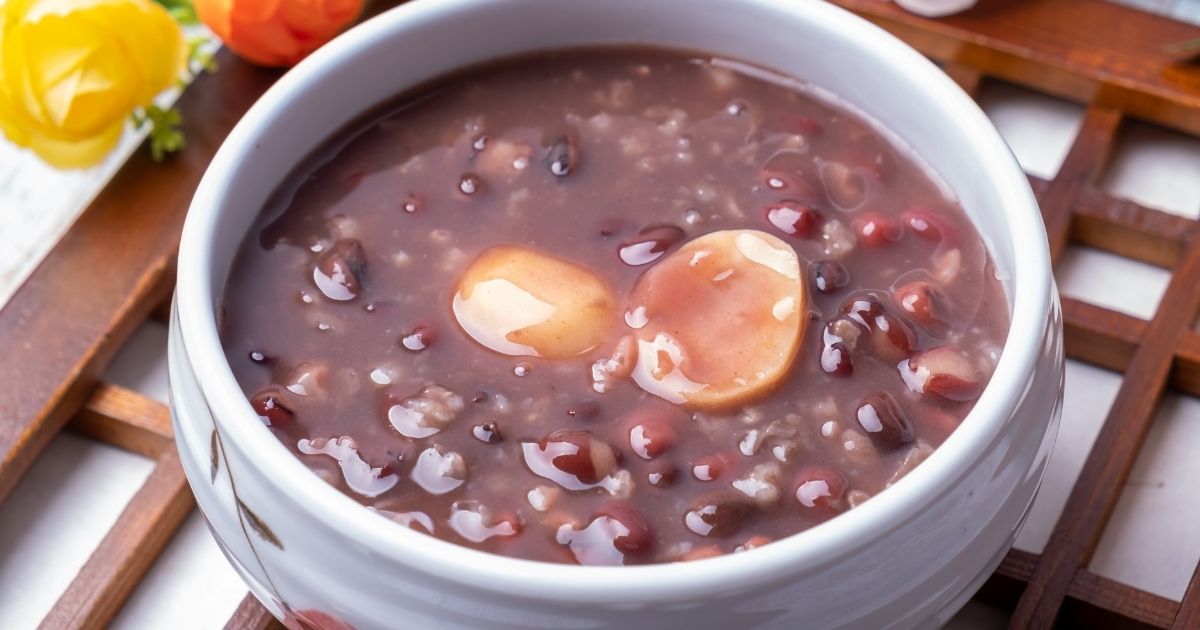
While more commonly associated with winter solstice traditions, some households also enjoy patjuk during Bok days. Red beans are believed to have cooling properties and are thought to ward off bad energy and heat-related illness. It’s a simpler alternative to Samgyetang but equally rooted in traditional wellness practices.
Seasonal Foods During Chobok, Jungbok, and Malbok
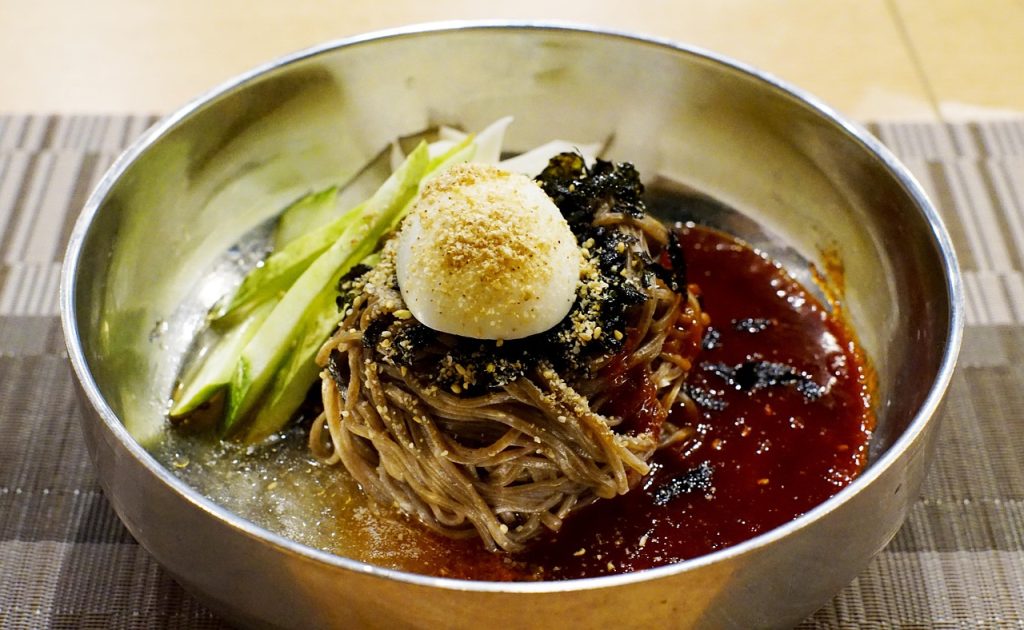
A variety of seasonal fruits like watermelon (수박) and Korean melon (참외) offer hydration and natural sweetness during the hot season. Cold noodle dishes such as naengmyeon (냉면) are also popular, especially in the days surrounding Sambok. For those seeking a stamina boost, grilled eel (장어) dishes, another traditional favorite, may increase energy and vitality.
These foods offer both relief and strength during Boknal, helping Koreans nourish their bodies throughout Chobok, Jungbok, and Malbok.
Korean Cooling Rituals for Sambok Days
Interestingly, Korean folk tradition advises against taking cold showers or baths during Sambok. It is believed that this causes a sudden drop in body temperature which may lead to illness. Instead, people might opt for foot baths, gentle cooling cloths, or even sand baths by the beach, where the heat of the sun-warmed sand may draw toxins out of the body and promote circulation.
These customs reflect Korea’s holistic approach to seasonal health. Food, tradition, and environment work together to help people endure and even embrace the hottest days of summer.

Experiencing Sambok in Korea Today
If you’re new to Korea and find yourself here during Sambok, you might be surprised to see locals lining up for hot soup on the hottest days of the year. But this isn’t a culinary contradiction. This is a time-honored wellness practice based on the philosophy of 이열치열 (iyeolchiyeol), or “fighting heat with heat.” Koreans believe that eating hot, nutrient-rich meals during peak summer helps stimulate sweating, detoxify the body, and regulate internal temperature.
Embracing Chobok, Jungbok, and Malbok Like a Local
To fully embrace the season, try visiting a 삼계탕 전문점 (samgyetang specialty restaurant) during one of the Bok days. Many restaurants offer seasonal specials, and it’s a unique cultural experience that both locals and expats enjoy. Beyond food, Sambok is also a time for summer festivals, especially along Korea’s coastlines and in rural areas, where traditional music, games, and cooling rituals are celebrated.
Whether it’s your first Chobok in Korea or your fifth Malbok, joining locals in these meals offers a firsthand glimpse into Korean summer traditions rooted in seasonal wellness and cultural heritage.
A Modern Twist on Sambok Traditions
While samgyetang remains the traditional Sambok meal, rising food prices have led some families to choose more affordable alternatives. Fried chicken has become a popular option, showing that while traditions evolve, the spirit of Sambok remains the same: sharing a satisfying meal and taking care of yourself during Korea’s hottest days.
This shift shows how traditions continue to evolve. The goal of Sambok has never been about eating one specific dish. It’s about taking care of your body during the hottest part of summer and sharing a meaningful meal with family and friends. Whether that meal is a steaming bowl of samgyetang or a bucket of crispy fried chicken, the tradition of gathering together remains just as important.
If you’d like to learn more about this growing trend, check out The Korea Times article on how fried chicken is replacing pricier samgyetang for some families.
Travel Tips for Staying Healthy During Boknal
When exploring during the summer heat, make use of apps like KakaoTaxi for easy navigation. And don’t forget your T-Money card, a prepaid transit card that makes subway and bus travel seamless. As for cooling off, opt for gentler cooling methods like foot baths, shade breaks, and plenty of hydration to help your body adjust naturally.
By following these customs and tips, you can not only survive the Korean summer, but you can also thrive in it like a local.
Experiencing Sambok in Korea: Our Perspective
After living in Korea for several years, Sambok has become one of the summer traditions we genuinely look forward to each year. At first, the idea of eating a steaming bowl of samgyetang on one of the hottest days of summer seemed a little strange. But after experiencing Sambok in Korea firsthand, we’ve come to understand why this tradition has endured for generations. Sharing a comforting meal, slowing down during the peak summer heat, and embracing the philosophy of iyeolchiyeol (“fight heat with heat”) has become part of our own Korean summer experience.
That said, we haven’t forgotten our roots. You’ll still find us happily enjoying the air conditioning, cooling off with a bowl of bingsu or an ice cream, and taking every chance we get to escape the heat. For us, the best part of living in Korea is embracing traditions like Sambok while still appreciating a few familiar comforts from home.
Whether we’re enjoying samgyetang at a local restaurant or making it ourselves at home, Sambok reminds us that some of Korea’s best traditions are discovered by simply joining in and experiencing them for yourself.
Sambok Resources for Expats and Curious Travelers
Curious to experience Sambok like a local? These resources offer valuable cultural insight and practical tips:
- South of Seoul Cooking Samgyetang offers a helpful guide to making this traditional ginseng chicken soup at home, perfect if you want to embrace the spirit of Sambok in your own kitchen.
- South of Seoul Samgyetang Restaurants in Pyeongtaek features tried-and-true local spots where you can enjoy Samgyetang prepared by professionals. This is especially useful if you live in or are visiting the Pyeongtaek area.
- Soul of Seoul What to Do on the Hottest Summer Days in Korea Packed with fun activity ideas—from cooling rituals to festival tips—this guide helps you make the most of Bok‑day energy and avoid the midday slump.
- 90 Day Korean Sambok Explained breaks down the history, traditions, and seasonal customs behind Sambok in an easy-to-understand format, along with relevant Korean vocabulary to enhance your cultural understanding.
Travel Tip: To find samgyetang restaurants near you using Naver or Kakao Maps, search “삼계탕 맛집” (samgyetang matjip), which means “Samgyetang hot spot” or “best Samgyetang places.” You’ll get a list of highly rated restaurants, complete with reviews and photos.
These resources will help you make the most of Korea’s hottest season, with a deeper appreciation for its food, culture, and traditions.
Want to try making samgyetang yourself? Check out this video from our YouTube channel, KimchiRednecks. We walk you through the steps to prepare this nourishing ginseng chicken soup at home. It’s a simple and satisfying way to celebrate Sambok and embrace the fight heat with heat tradition from your own kitchen.
Final Thoughts: Embracing Korean Summer Traditions During Sambok
Sambok, including Chobok, Jungbok, and Malbok, is more than just a series of hot days. It is a vibrant blend of tradition, culinary culture, and seasonal wisdom that reflects Korean summer traditions and the country’s deep-rooted connection to nature and holistic wellness. Whether you choose to make your own Samgyetang at home or enjoy it at a local restaurant, participating in Bok-day customs is a flavorful and memorable way to immerse yourself in Korean culture.
For foreigners living in or visiting Korea, Sambok offers a great chance to slow down and savor traditional foods. It’s also a meaningful way to connect with the rhythms of local life. You can enjoy nourishing soups, cool off with gentle summer rituals, explore regional festivals, or learn the meaning behind each Bok day. There are so many ways to experience this uniquely Korean summer tradition.
So, keep warm with hot soup, stay hydrated, and embrace the heat with open arms! Sambok is a season worth celebrating.
FAQ About Sambok in Korea
Why do Koreans eat hot soup like Samgyetang during the hottest days of summer?
This practice comes from the Korean wellness philosophy 이열치열 (iyeolchiyeol), which means “fight heat with heat.” During Boknal, Koreans mark the three hottest days of summer: Chobok, Jungbok, and Malbok. Many people eat hot, nutrient-rich dishes like samgyetang (ginseng chicken soup). These foods encourage sweating, support internal balance, and help fight fatigue from the intense summer heat. It remains one of Korea’s most enduring summer traditions.
What are the Sambok dates in 2026?
In 2026, Sambok falls on:
- Chobok (초복) – July 15
- Jungbok (중복) – July 25
- Malbok (말복) – August 14
These Boknal dates follow the lunar calendar and mark the beginning, middle, and end of Korea’s dog days of summer. They also shape many of the country’s seasonal food traditions and wellness practices.
What foods are traditionally eaten during Sambok?
The most iconic Boknal dish is samgyetang, a steaming chicken soup made with ginseng, garlic, and glutinous rice. Other traditional foods enjoyed during Sambok include grilled eel (장어), which is believed to help build stamina, and patjuk (팥죽), a red bean porridge valued for its cooling properties. Many people also enjoy refreshing seasonal fruits like watermelon (수박) and Korean melon (참외), while naengmyeon (냉면), a chilled noodle dish, is another popular choice during Chobok, Jungbok, and Malbok.
Is it okay to take cold showers during Sambok?
In traditional Korean summer customs, cold baths or showers during Sambok are discouraged. Sudden exposure to cold may cause shock or disrupt the body’s balance during this intense heat. Instead, people turn to gentle cooling rituals like foot baths, cooling cloths, and shaded rest to stay healthy during Boknal.
Can I make Samgyetang at home?
Absolutely! Samgyetang is a popular at-home meal during Chobok, Jungbok, and Malbok. You’ll need a small chicken, ginseng, glutinous rice, jujubes, garlic, and a few herbs. If you’re ready to try this Korean summer tradition yourself, check out our KimchiRednecks YouTube video for a step-by-step guide.
How can I find Samgyetang restaurants near me in Korea?
To enjoy samgyetang during Boknal, use Naver Maps or Kakao Maps and search for “삼계탕 맛집” (samgyetang matjip), which means “best Samgyetang spots.” Many restaurants offer Chobok to Malbok specials, so it’s a perfect time to experience this uniquely Korean seasonal custom.
Article Information & History
Article History
No formal audit has been recorded for this article under the current South of Seoul editorial process.
Before You Act
South of Seoul articles document information available at a particular point in time. Prices, hours, services, policies, procedures, laws, eligibility requirements, transportation, contact details, and local conditions can change.
Use this article as a research starting point and confirm important details using current official resources, direct contact, Naver Maps, Kakao Map, and other reliable sources when appropriate.
For consequential immigration, legal, medical, or financial decisions, confirm current requirements with the relevant official authority or an appropriately qualified professional.
See something that needs updating?
Help us keep practical information useful. Reader reports are reviewed by our editorial team and do not automatically change this article.

 Zhen Yan Jin
 Min Gyeong Kim
 Lisa Peck, MPH, CPH