ContentsView article sections
Hiking in South Korea is one of the best ways to discover the country’s incredible landscapes. From peaceful temple walks and scenic coastal paths to challenging mountain summits and stunning national parks, there’s a trail for every experience level. Whether you’re stationed here with the military, living in Korea as an expat, or visiting for a short time, you’ll find countless opportunities to explore Korea’s natural beauty.
This South of Seoul guide brings together our hiking articles, local recommendations, seasonal advice, beginner tips, and regional trail guides to help you discover your next favorite hike.
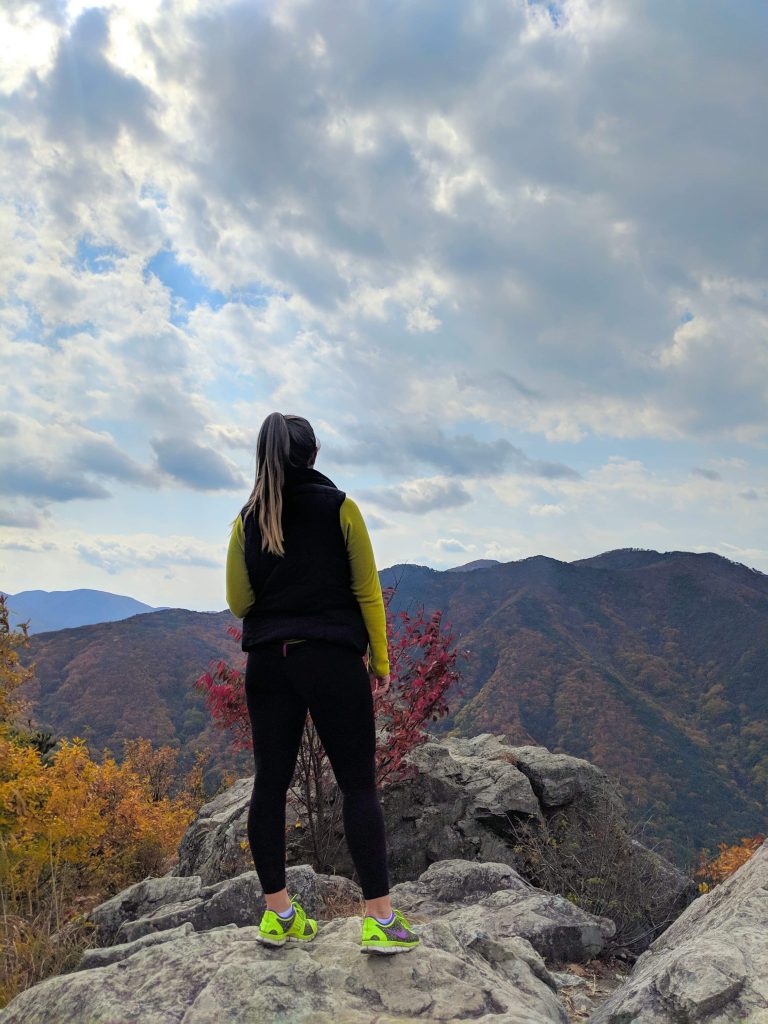
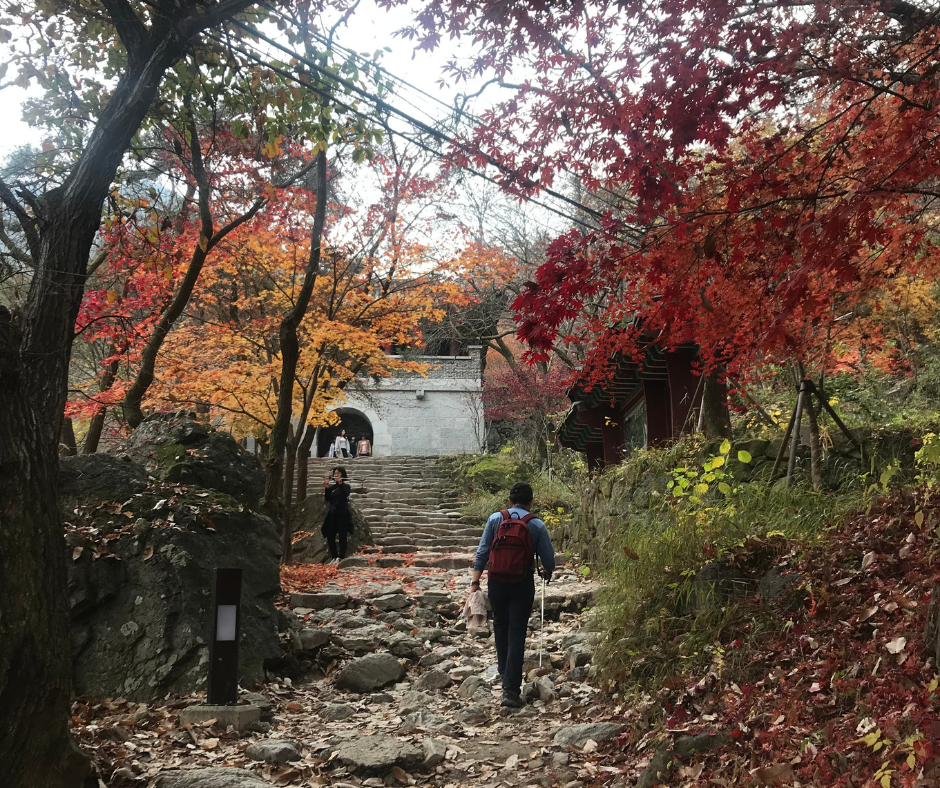
Photo courtesy of Sarah Symbalisty.
Why Hiking in South Korea Is Unique
South Korea offers an incredible variety of hiking experiences, from gentle coastal walks and peaceful forest trails to challenging mountain climbs. Trails often connect hikers with temples, fortress walls, traditional villages, and other cultural landmarks, making hiking one of the best ways to experience both Korea’s natural beauty and history.
Throughout this guide, you’ll find regional trail recommendations, gear advice, seasonal tips, beginner-friendly options, and local resources to help you explore South Korea with confidence.
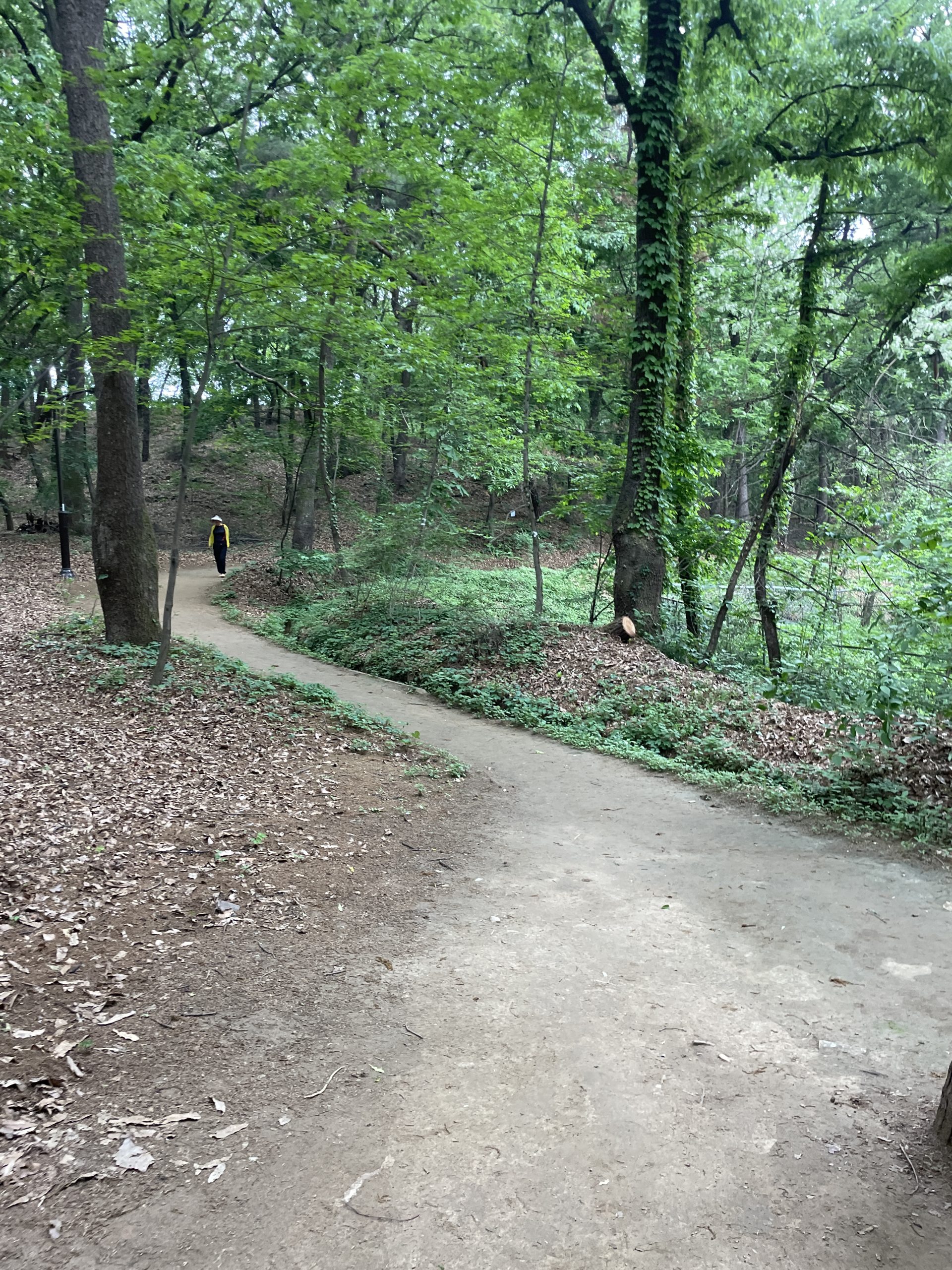
Photo courtesy of Sarah Symbalisty.
Discover South Korea’s Dulle Trails
If you’re new to hiking in South Korea, the Dulle Trails (둘레길) are one of the best places to start. Unlike traditional mountain hikes that lead to a summit, these well-marked trails circle mountains, pass through villages, and wind by temples, forests, rice fields, and streams. They offer a relaxed way to experience both Korea’s natural beauty and its culture without tackling a steep climb.
What are the Dulle Trails?
The term dulle-gil generally refers to a trail that follows the outer edge or surrounding area of a mountain, community, or region rather than climbing directly to a summit. Rather than climbing directly to the top of a mountain, Dulle Trails follow gentler routes around it. Their gradual terrain makes them a great choice for beginners, families, and anyone looking for a more leisurely hike.
Why the Dulle Trails are Special
Dulle Trails combine beautiful scenery with cultural experiences. Along the way you may pass quiet forests, traditional hanok villages, fortress walls, local markets, and historic temples. Many trails are divided into sections, making it easy to choose a short walk or connect multiple segments for a full-day adventure.
Popular Dulle Trails:
- Bukhansan Dulle-gil (Seoul): Circling Seoul’s famous national park, with 70 km of connected trails that bring you close to nature while still within the city.
- Jirisan Dulle-gil (Jeolla & Gyeongnam): A massive 300 km trail network around Korea’s largest national park, weaving through historic villages and valleys
South of Seoul Tip: Most Dulle Trails are well signed in both Korean and English. Many also have rest areas, convenience stores, and even stamp stations along the route, making them an excellent choice if you’re new to hiking in Korea.
Looking for More Dulle Trail Inspiration?
If you’d like to explore these scenic walking routes in more detail, these resources are a great place to start.
- Explore Dulle Trails in South Korea for trail information, maps, and firsthand experiences.
- Best Hiking Trails in Korea by KoreaToDo for additional trail recommendations throughout the country.
Whether you’re just getting started or simply prefer a slower-paced adventure, Dulle Trails are one of the best ways to experience hiking in South Korea. They combine beautiful scenery, local culture, and accessible trails that make exploring Korea’s outdoors enjoyable for hikers of every experience level.
Best Hiking Gear Stores in Korea & What to Pack
One of the great things about hiking in South Korea is how easy it is to find quality outdoor gear. Hiking is one of the country’s favorite pastimes, so you’ll find outdoor stores almost everywhere, from busy shopping districts in Seoul to neighborhoods near military installations. Whether you’re investing in new gear or just picking up a few essentials before your next hike, there are plenty of convenient options.
Where to Buy Hiking Gear in Korea
Whether you’re looking for premium equipment or budget-friendly basics, these are some of the best places to shop before heading out on the trails.
- The North Face, K2, Black Yak, and Kolon Sport are among Korea’s most popular outdoor brands. You’ll find stores in most major cities offering everything from hiking apparel and backpacks to trekking poles and technical gear.
- E-Mart and Lotte Mart are excellent choices for affordable essentials like hats, sunscreen, water bottles, hiking snacks, and lightweight rain gear.
- Namdaemun Market in Seoul is a favorite among outdoor enthusiasts looking for discounted clothing, shoes, and accessories from both Korean and international brands.
- Military Exchanges (PX/BX) are another convenient option for SOFA-status families. Many carry familiar international brands and larger sizes that can sometimes be harder to find locally.
South of Seoul Tip: Don’t be surprised when you see hikers wearing colorful jackets, backpacks, and hats. Bright outdoor clothing is extremely popular in Korea and also helps improve visibility on the trail.
What to Pack for a Hike in Korea
Packing the right gear can make your hike much more enjoyable, especially since Korea’s weather can change quickly between seasons.
Year-Round Essentials
Before heading out, make sure you pack:
- Comfortable hiking shoes or boots with good traction
- A lightweight daypack (20 to 30 liters is plenty for most hikes)
- Plenty of water or a hydration pack
- Snacks such as kimbap, nuts, or energy bars
- Sunscreen, sunglasses, and a hat
- A fully charged phone for navigation and emergencies
Seasonal Packing Tips
Spring & Summer
- Insect repellent
- Cooling towel
- Extra water
- Lightweight rain jacket
Fall
- A lightweight jacket for cool mornings and evenings
- Extra layer for changing temperatures
Winter
- Crampons (아이젠, aijen)
- Warm gloves
- Thermal base layers
- Hat and insulated outer layer
South of Seoul Tip: Many Korean hikers stop at the summit to enjoy a picnic before heading back down. Packing a simple lunch, coffee, or a few snacks is a fun way to experience one of Korea’s favorite hiking traditions.
Helpful Resources
Looking for even more hiking tips?
Check out What I Packed Hiking the Haeparang Dulle-gil from Sarah Symbalisty for a detailed packing list and practical advice based on firsthand experience.
Once you’ve packed your gear, continue reading for regional hiking guides that will help you discover trails near Pyeongtaek, Asan, Seoul, and destinations across South Korea.
Beginner & Family-Friendly Hiking Trails in South Korea
If you’re new to hiking in South Korea or planning an outing with children, there are plenty of trails that offer beautiful scenery without requiring a strenuous climb. Many beginner-friendly hikes feature well-maintained paths, rest areas, scenic viewpoints, and convenient amenities, making it easy to enjoy the outdoors at your own pace.
Bukhansan Dulle-gil (Seoul)
Rather than climbing to one of Bukhansan’s famous peaks, the Dulle-gil follows gentler trails around the mountain. The paved and gravel paths make it an excellent choice for families, beginners, and anyone looking for a relaxing day outdoors.
Why you’ll love it
- Flexible trail sections ranging from 2 to 70 kilometers
- Beautiful forest scenery without steep climbs
- Easy access from Seoul
Namsan Seoul Tower Trails (Seoul)
The trails through Namsan Park offer one of the easiest ways to enjoy hiking in the heart of Seoul. Well-maintained paths lead to N Seoul Tower, with plenty of places to stop and enjoy the views along the way.
Family highlights
- Observation decks
- Cable car
- Restrooms and snack vendors
- Beautiful city views
Jeju Olle Trail (Selected Courses)
Not every Olle Trail is beginner friendly, but several coastal routes are perfect for families and casual walkers. These scenic paths showcase Jeju’s coastline, volcanic landscapes, and charming villages.
Why you’ll love it
- Gentle seaside walking
- Cafés along many routes
- Coastal scenery and fresh ocean air
- Dol hareubang statues and grazing horses
Anseong Farmland Walking Trails (Gyeonggi-do)
If you’re looking for a relaxed outdoor experience with younger children, Anseong Farmland combines walking trails with seasonal flowers, farm animals, and open green spaces.
Family highlights
- Wide walking paths
- Animal encounters
- Seasonal flower festivals
- Plenty of room for children to explore
South of Seoul Tip: Many beginner-friendly trails in Korea include rest areas, convenience stores, cafés, outdoor exercise equipment, and clean public restrooms. Even so, it’s always a good idea to bring water, sunscreen, and a few snacks for your hike.
Local Hiking Near Pyeongtaek, Osan & Asan
One of the best things about living near Camp Humphreys or Osan Air Base is that you don’t have to travel far to enjoy great hiking. The surrounding region offers scenic mountain trails, peaceful nature walks, and beginner-friendly hikes that make it easy to spend a morning or afternoon outdoors.
Whether you’re looking for your very first hike or simply want a nearby weekend adventure, these guides are a great place to start.
Beginner-Friendly Trails Near Osan
Start with trails that offer manageable terrain and convenient access from Osan Air Base.
Pyeongtaek Favorites
These local guides cover scenic hikes, neighborhood mountains, and trails near Camp Humphreys and Osan Air Base.
- Top 3 Scenic Hikes in Pyeongtaek
- Ma-an San
- Buraksan Mountain Hike Itinerary
- Buraksan Skywalk Doorway Trail
Asan
Asan offers rewarding mountain routes for hikers ready to explore beyond the immediate Pyeongtaek area.
South of Seoul Tip: One of the best things about hiking near Camp Humphreys is that many trailheads are close to cafés, restaurants, and local attractions, making it easy to turn your hike into a full day exploring the area.
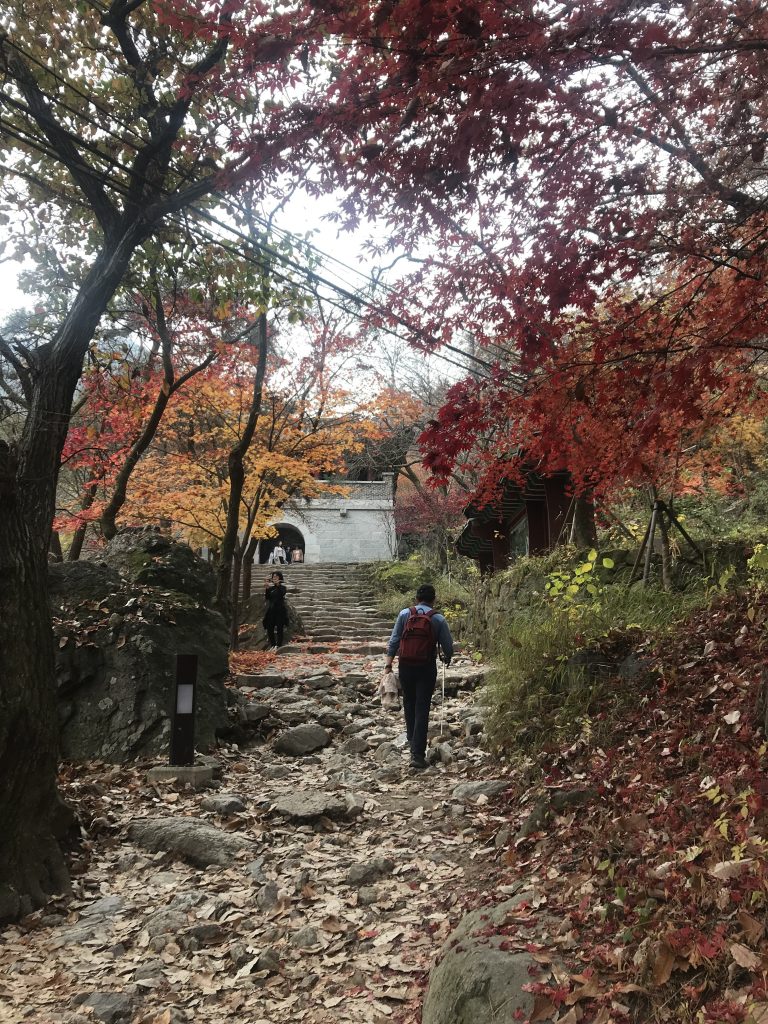
Photo courtesy of Sarah Symbalisty.
Hiking Experiences from Across South Korea
One of the best parts of hiking in South Korea isn’t just reaching the summit. It’s the experiences you have along the way. Whether it’s sharing a snack with new friends, discovering a quiet temple tucked into the mountains, or finding a trail that quickly becomes your favorite weekend escape, every hike has a story to tell.
Many members of the South of Seoul community have shared their hiking adventures from across the country. Their experiences offer practical advice, trail recommendations, and a firsthand look at what it’s like to explore Korea’s mountains, forests, and coastal paths.
Whether you’re looking for inspiration for your next hike or simply enjoy reading about other people’s adventures, these stories are a great place to start.
Featured Hiking Stories
- How We Started Hiking in South Korea
Discover how one family’s hiking journey began and how exploring Korea’s trails became one of their favorite ways to experience the country. - Hiking the Gyejoksan Red Clay Trail in Daejeon
Learn what makes this unique barefoot trail one of Daejeon’s most memorable outdoor experiences. - Hiking Mangwolsa Temple and Podaeneungseon Ridge
Experience a hike that combines beautiful mountain scenery with Korea’s rich Buddhist history. - Hiking Crocodile Peak in Chungju
Discover one of Korea’s most spectacular ridge views overlooking the winding Namhan River. - Hiking Elephant Rock Trail
Enjoy an easy coastal walk featuring dramatic rock formations and beautiful ocean scenery.
South of Seoul Tip: Every hike offers something different. Some trails are perfect for breathtaking views, while others are memorable for their history, culture, or peaceful atmosphere. Reading firsthand experiences can help you find the trail that’s right for you.
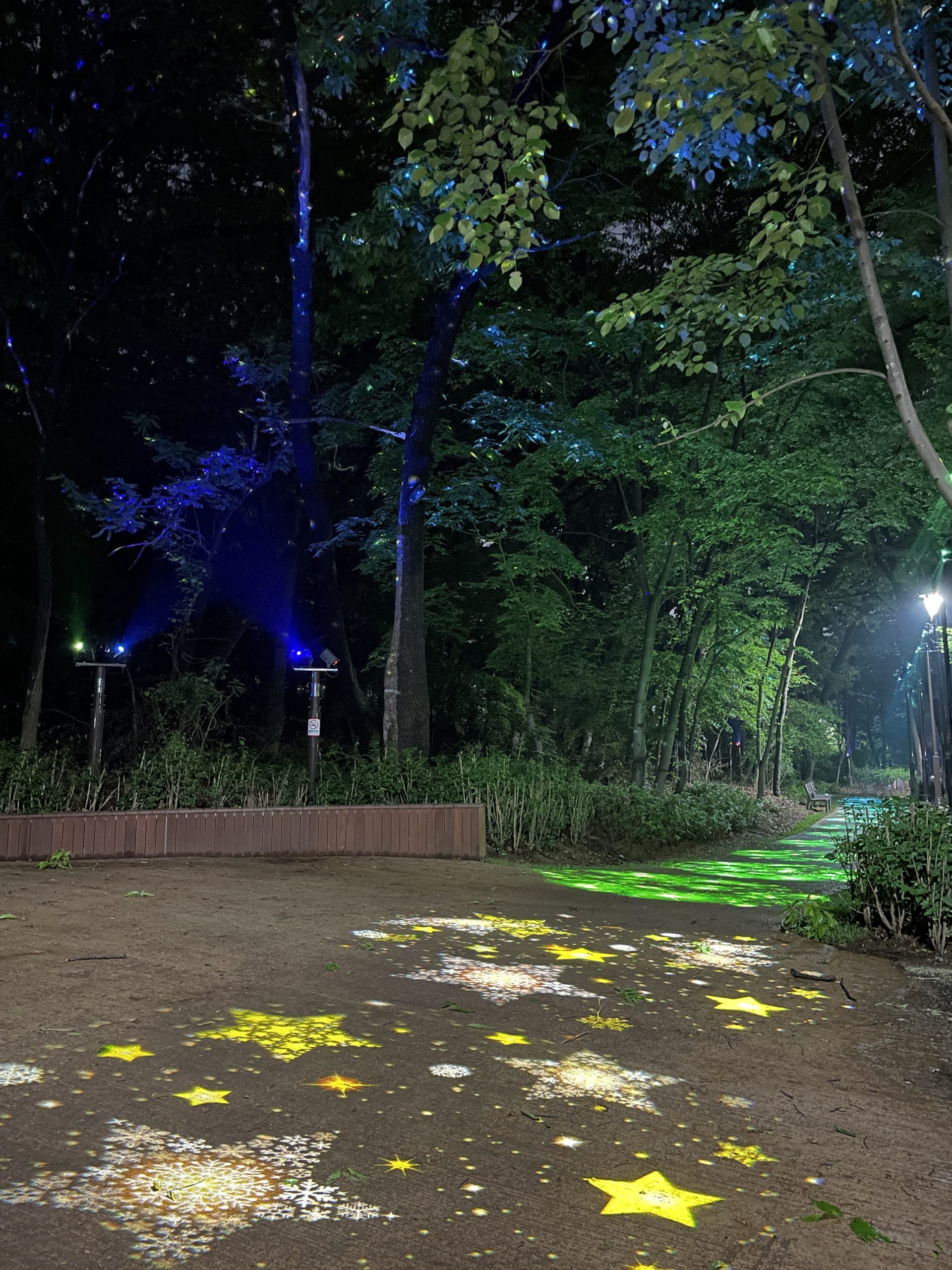
Photo courtesy of Sarah Symbalisty.
Seoul’s Cultural & Scenic Hiking Trails
Seoul offers some of the most unique hiking experiences in South Korea, combining mountain trails, centuries of history, and panoramic city views. Whether you’re walking along the historic Seoul City Wall or climbing one of the city’s surrounding peaks, you’ll find hikes that are easy to access by public transportation while offering a peaceful escape from the busy streets below.
Seoul City Wall (Hanyangdoseong)
The Hanyangdoseong (Seoul City Wall) is one of Seoul’s most remarkable hiking destinations. Originally built during the Joseon Dynasty to protect the capital, the wall stretches across several mountains and connects historic gates, scenic viewpoints, and peaceful forest trails. Today, hikers can explore individual sections or combine multiple routes to experience different parts of the city while learning about Seoul’s rich history.
Whether you’re looking for a leisurely walk or a more challenging climb, these guides will help you discover some of the best sections of the Seoul City Wall.
- Hanyangdoseong (Seoul City Wall): Learn about the history of Seoul’s ancient fortress wall and how to explore its different sections.
- Baegaksan (Bugaksan) & the Seoul City Wall: Hike one of the most scenic sections of the wall while enjoying panoramic views over Seoul.
- Naksan & Heunginjimun Trail: A beginner-friendly section featuring historic gates, city views, and one of Seoul’s most popular walking routes.
- Namsan Seoul City Wall Trail: Combine a walk along the historic wall with a visit to N Seoul Tower and one of the city’s best viewpoints.
- Inwangsan Forest Rest Area: Take a break at this unique treehouse-like rest stop while exploring the western section of the Seoul City Wall.
- A Weekday Hike Along the Seoul Fortress Wall: Discover another perspective on one of Seoul’s most iconic historic hikes.
South of Seoul Tip: The Seoul City Wall can be explored one section at a time, making it easy to customize your hike based on your schedule and fitness level. Each section offers its own unique views, landmarks, and history.
Seoul’s Mountain Trails
If you’re looking for mountain hikes without leaving the city, Seoul has plenty to offer. From beginner-friendly trails to more challenging summit hikes, these mountains provide incredible views while remaining easily accessible by subway or bus.
Bukhansan National Park
Bukhansan National Park attracts hikers with routes ranging from gentle forest paths to challenging granite summits. With trails ranging from gentle forest walks to challenging granite peaks, it’s a favorite among both locals and visitors.
Explore these guides:
Bukhansan Hiking Itinerary in Seoul
Exploring Bukhansan National Park
Mt. Gwanaksan
Located in southern Seoul, Mt. Gwanaksan offers a rewarding hike with rocky ridges, scenic overlooks, and excellent views of the city. It’s a great option for anyone looking for a mountain adventure without traveling far from Seoul.
Hiking in Seoul: Mt. Gwanaksan
Namhansanseong Fortress Near Seoul
Located just outside Seoul, Namhansanseong is a UNESCO World Heritage Site that blends forested hiking trails with centuries of Korean history. The park features fortress walls, historic gates, temples, and scenic overlooks, making it one of the best destinations for hikers who enjoy combining nature with cultural exploration.
Namhansanseong Park & Fortress
Together, these routes show how easily hikers can experience mountains, fortress walls, and historic landmarks without traveling far from central Seoul.
Jeju’s Iconic Hiking Trails
Jeju Island is home to some of South Korea’s most recognizable natural landscapes. From volcanic peaks to coastal views, the island offers memorable hikes for beginners, families, and experienced hikers. These trails also provide a closer look at the geology and natural history that make Jeju so unique. While Jeju’s Olle routes provide extensive coastal walking opportunities, Seongsan Ilchulbong and Hallasan offer two of the island’s most iconic summit experiences.
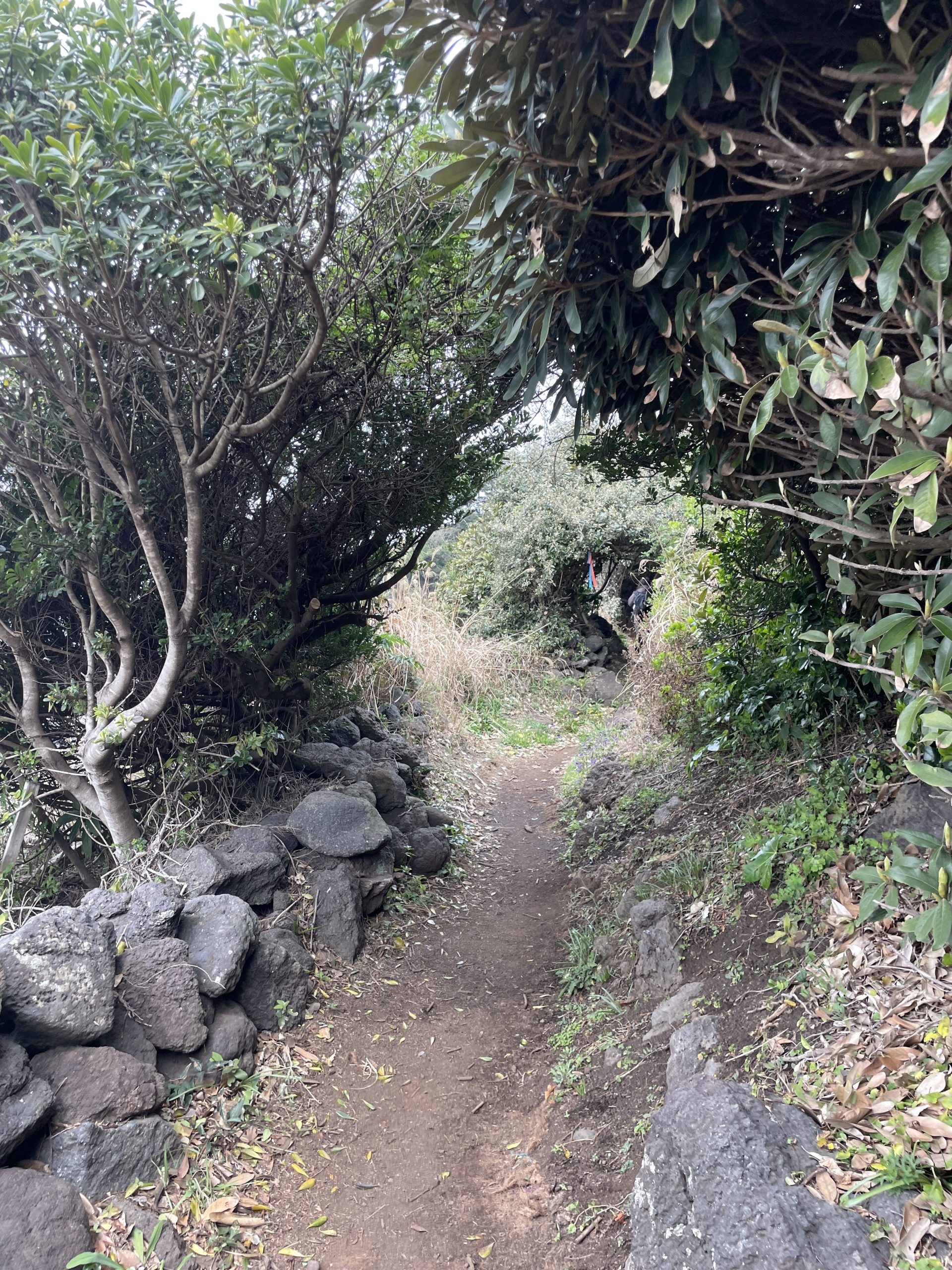
Jeju’s Olle Trails wind through forests, coastal scenery, and volcanic landscapes.
Photo courtesy of Sarah Symbalisty.
Seongsan Ilchulbong (Sunrise Peak)
One of Jeju’s most recognizable landmarks, Seongsan Ilchulbong is a UNESCO World Heritage Site famous for its breathtaking sunrise views. The relatively short climb makes it an excellent choice for beginners and families, while the panoramic views from the summit make every step worthwhile.
Read: Seongsan Ilchulbong: Jeju’s Sunrise Peak
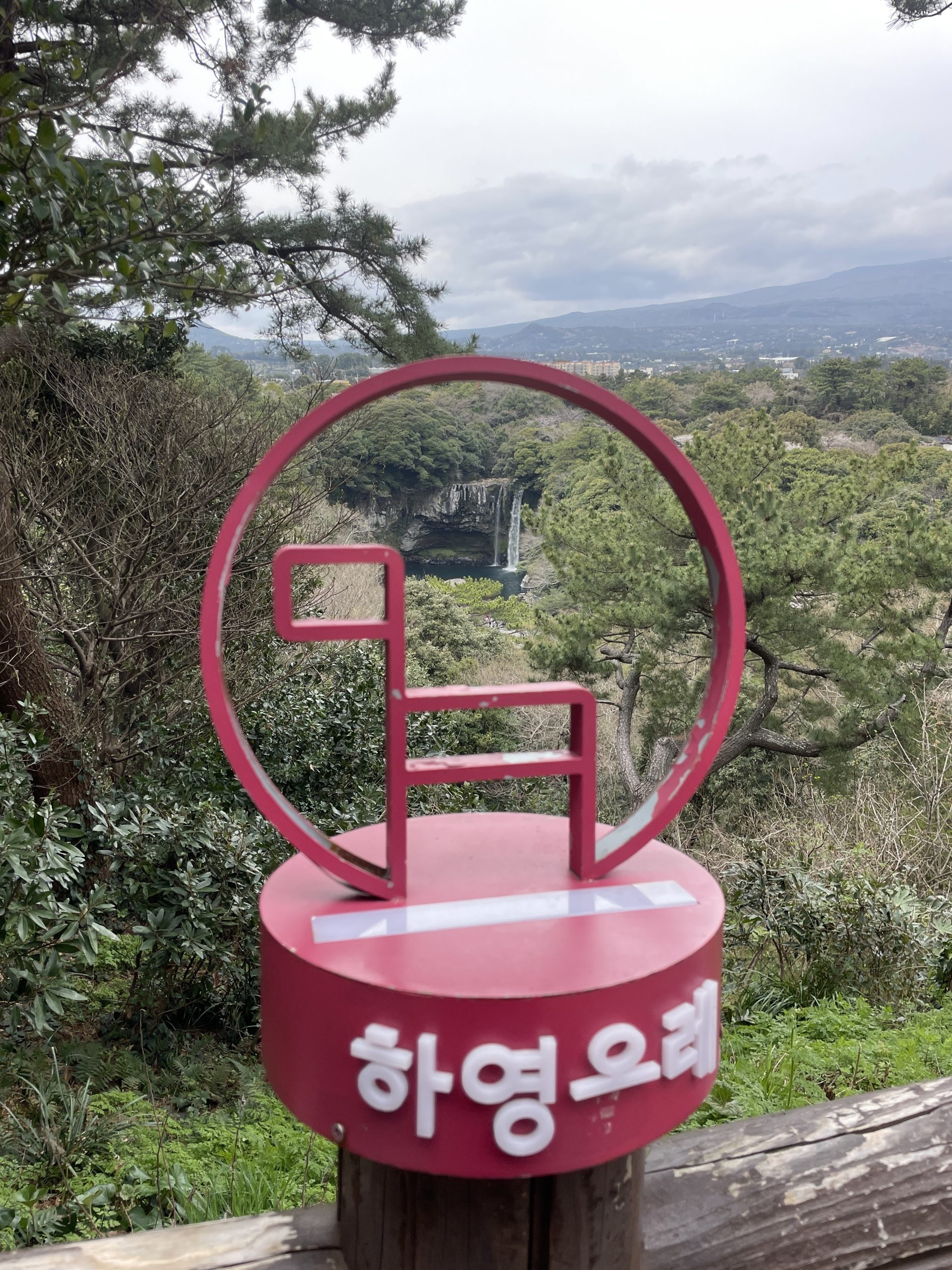
Jeju offers an incredible variety of hiking experiences beyond Hallasan.
Photo courtesy of Sarah Symbalisty.
Hallasan National Park
Hallasan is the tallest mountain in South Korea and one of Jeju’s most popular hiking destinations. Its trails pass through volcanic landscapes, forests, and alpine vegetation, with routes available for different experience levels.
The Eorimok Trail offers a moderately challenging hike with rewarding mountain scenery. For a broader overview of routes, preparation, and what to expect, read our complete guide to hiking Jeju’s tallest mountain.
Read: Mount Halla via the Eorimok Trail
Read: Hiking Hallasan: Jeju’s Tallest Mountain
South of Seoul Tip: Weather on Hallasan can change quickly, and access may be limited because of wind, rain, snow, or trail conditions. Check current conditions before leaving, dress in layers, and bring more water than you think you will need.
Seoraksan National Park
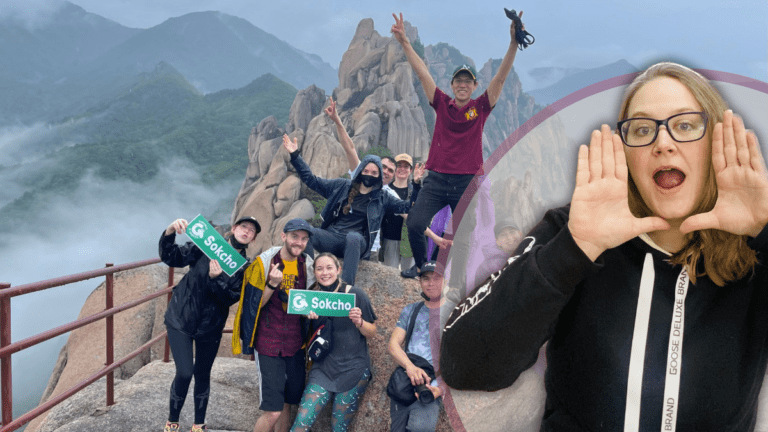
Seoraksan National Park ranks among Korea’s most celebrated hiking destinations. Located in Gangwon-do near Sokcho, the park is known for its dramatic granite peaks, crystal-clear streams, vibrant autumn foliage, and diverse hiking trails. Whether you’re planning a leisurely walk, a visit to Sinheungsa Temple, or a challenging summit hike, Seoraksan offers unforgettable experiences throughout the year.
Planning Your Visit
If it’s your first time visiting Seoraksan, start with this guide to learn about the park’s visitor centers, trail options, cable car, seasonal considerations, and what to expect before you arrive.
Seoraksan National Park: What to Know
Popular Hiking Trails
Seoraksan offers trails for every experience level. Easy riverside walks, scenic routes to Ulsanbawi Rock, and challenging hikes to Daecheongbong Peak make it one of the most versatile hiking destinations in South Korea. The park is also home to multiple visitor centers, each providing access to different areas and trail networks.
The Great Bronze Buddha
One of Seoraksan’s most iconic landmarks is the Great Bronze Buddha at Sinheungsa Temple. The towering bronze statue is a short walk from the park entrance and offers visitors an opportunity to experience both the natural beauty and Buddhist heritage of Seoraksan.
The Great Bronze Buddha of Seoraksan
South of Seoul Tip: Don’t think of Seoraksan as just one hike. The national park includes multiple trailheads, visitor centers, temples, waterfalls, and scenic viewpoints, so it’s worth planning your visit before you arrive to make the most of your day.
Seasonal Hiking in South Korea
One of the best things about hiking in South Korea is that every season offers a completely different experience. From cherry blossoms in spring to colorful autumn mountains and snow-covered winter peaks, the same trail can feel brand new depending on when you visit.
Whether you’re planning your first hike or returning to a favorite destination, choosing the right season can completely change your experience.
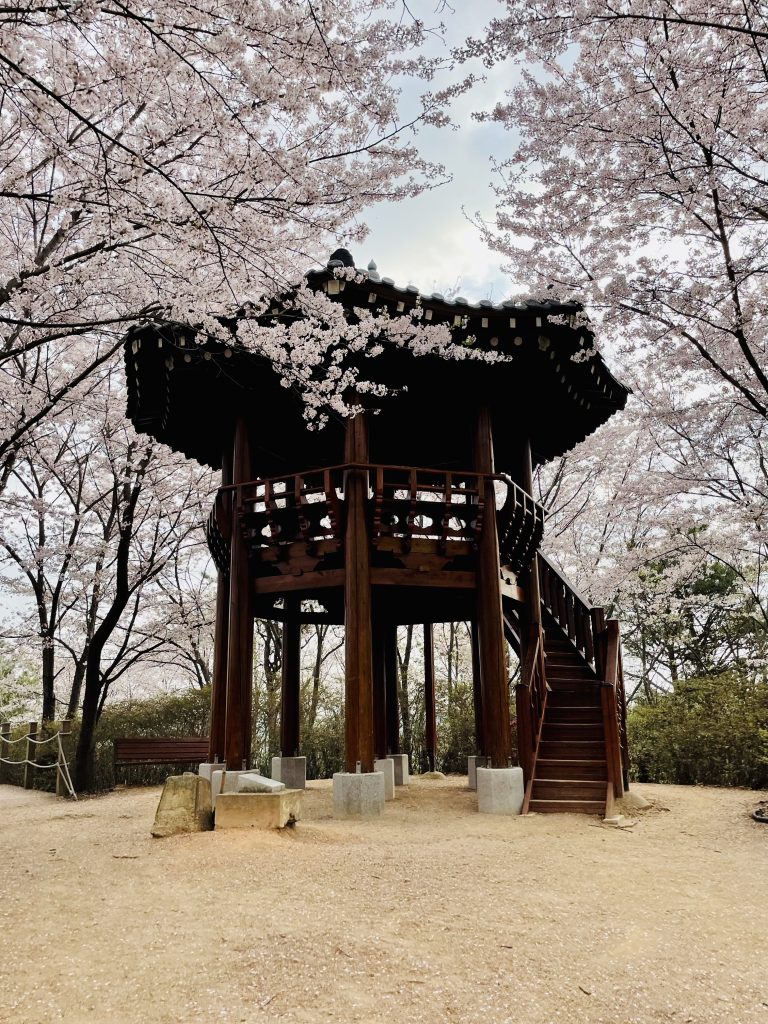
Photo courtesy of Sarah Symbalisty.
Spring (March to May)
Spring brings blooming cherry blossoms, colorful azaleas, and fresh green forests to Korea’s mountains. Comfortable temperatures make it one of the most popular seasons for hiking, especially on trails near Seoul and throughout the southern regions of the country.
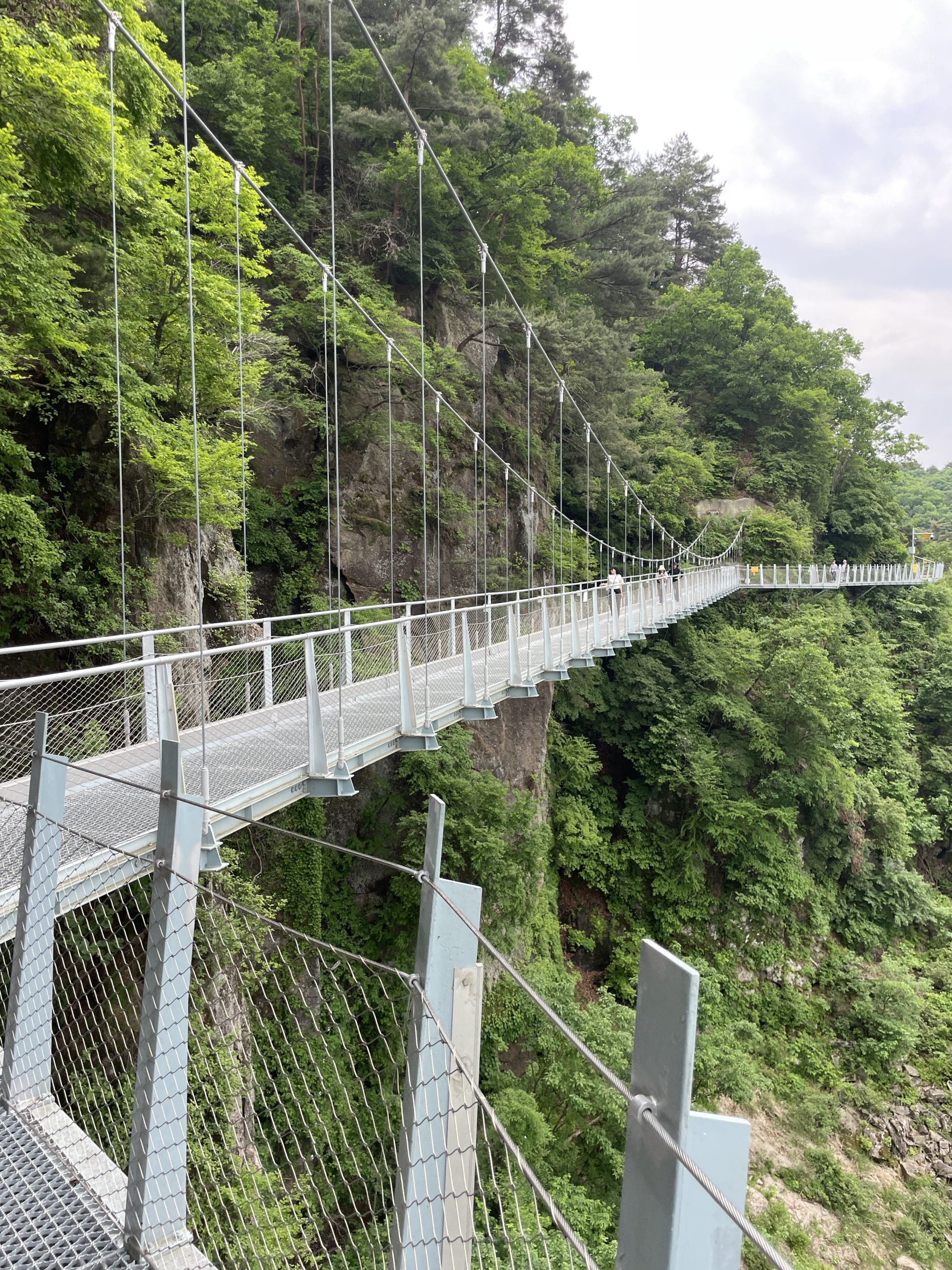
Photo courtesy of Sarah Symbalisty.
Summer (June to August)
Summer hiking means lush forests, mountain streams, waterfalls, and coastal scenery. Early morning starts are recommended to avoid the hottest part of the day, while shaded trails and higher elevations provide a welcome escape from the heat.
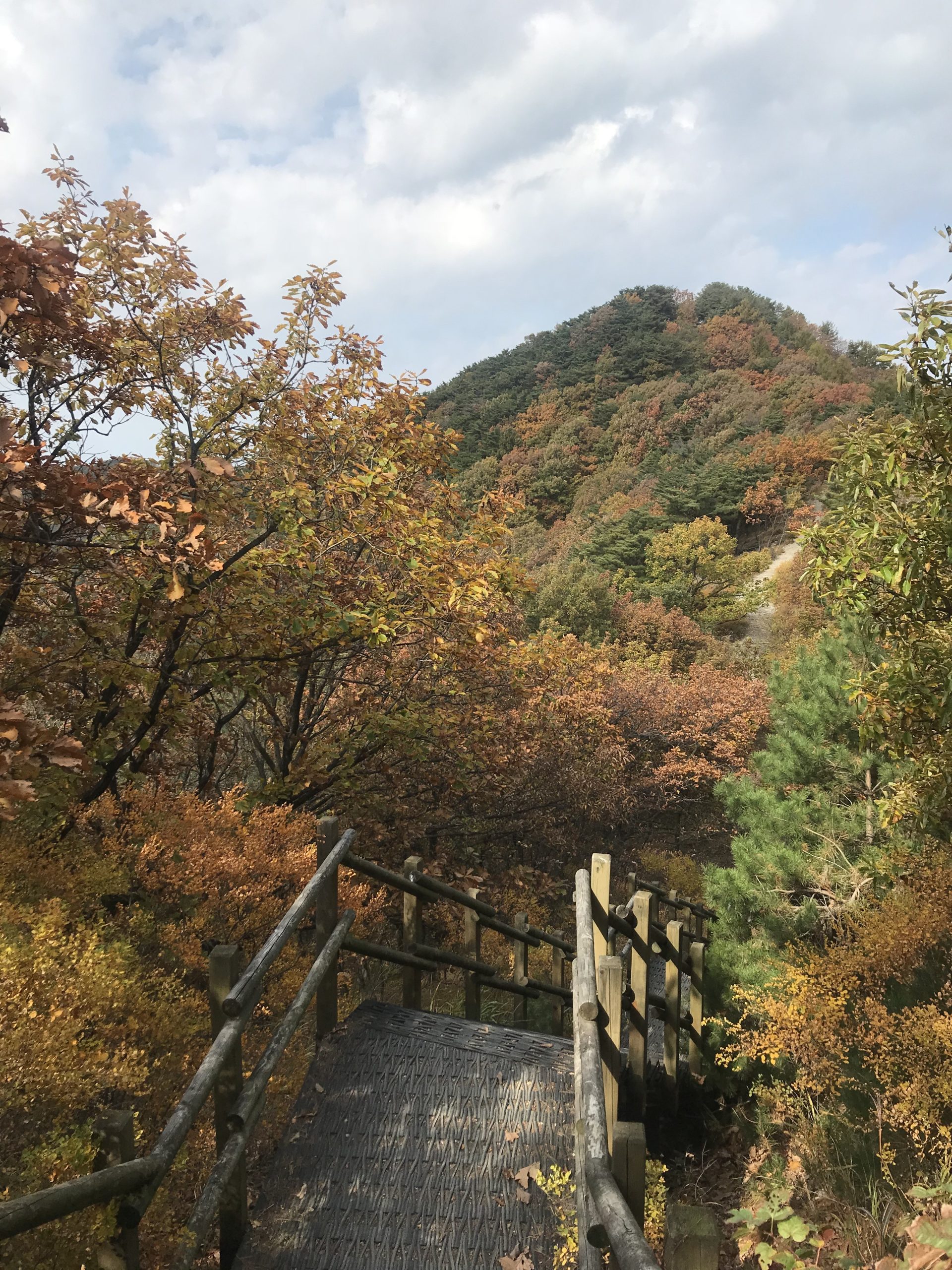
Photo courtesy of Sarah Symbalisty.
Fall (September to November)
Autumn is considered by many to be the best hiking season in South Korea. Mountains come alive with brilliant shades of red, orange, and gold, drawing visitors from around the world. While Seoraksan is famous for its fall colors, countless regional trails offer spectacular foliage with fewer crowds.
Recommended Reading: Hiking During Fall Colors in Korea
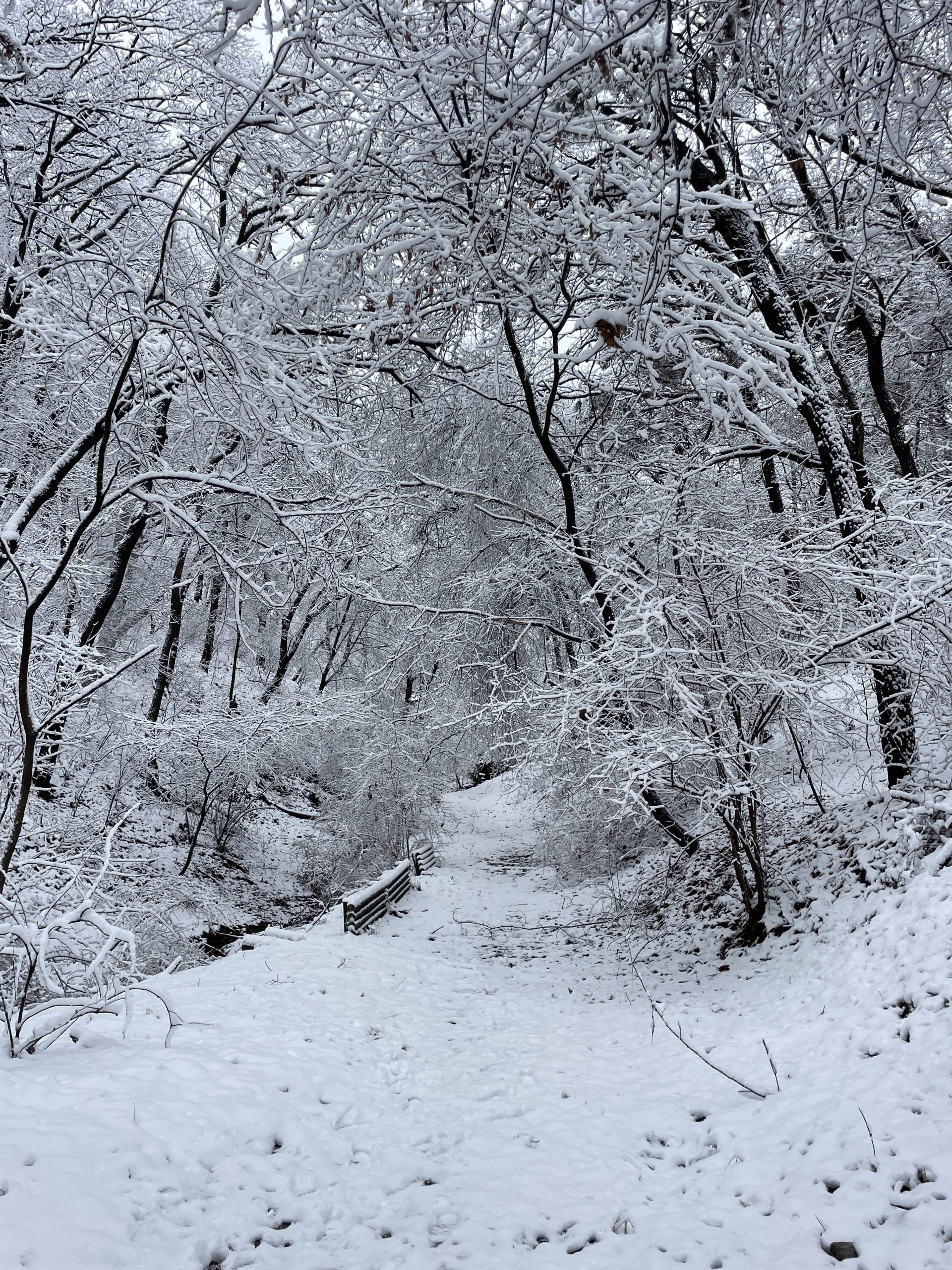
Photos courtesy of Sarah Symbalisty.
Winter (December to February)
Winter transforms Korea’s mountains into snow-covered landscapes. With the proper clothing and equipment, trails such as Hallasan and Bukhansan offer unforgettable hiking experiences. Always check trail conditions before heading out, as closures and icy conditions are common.
Recommended Reading: Byeonsanbando National Park Winter Hiking
South of Seoul Tip: No matter the season, always check the weather forecast and trail conditions before your hike. Conditions can change quickly, especially at higher elevations.
Explore South Korea’s National Parks
South Korea is home to 23 national parks, each offering its own unique landscapes, hiking experiences, and cultural attractions. From rugged mountain peaks and ancient temples to coastal cliffs and peaceful forests, there’s a national park for every type of adventurer.
Whether your goal is to visit one park or all twenty-three, these resources can help you plan your next adventure.
Visit Every National Park in South Korea
Challenge yourself to visit all 23 of South Korea’s national parks with these planning resources.
- Hike Korean National Parks in a Year
- Visit Korea: National Parks Overview
- Visit Korea: Scenic Trails for Every Skill Level

South of Seoul National Park Maps
Want to keep track of every national park you visit?
South of Seoul created a collection of printable maps that allow you to check off each national park as you explore Korea. They’re a fun way to document your hiking adventures and plan future trips.
Browse South of Seoul National Park Maps
Hiking Communities in South Korea
One of the easiest ways to discover new trails, improve your hiking skills, and meet fellow outdoor enthusiasts is by joining one of South Korea’s active hiking communities. Whether you’re searching for your next adventure, looking for hiking partners, or simply want advice on gear and trail conditions, these groups are excellent resources. When joining a hike through an online group, confirm the route and difficulty in advance, meet in a public place, and share your plans with someone you trust.
Hiking in Korea Facebook Group
Connect with hikers from across South Korea to share trail recommendations, ask questions, discuss hiking gear, and learn about destinations throughout the country. It’s a welcoming community for hikers of all experience levels.
- Join the Hiking in Korea Facebook Group
South Korea Hikers Facebook Group
Looking for local hiking buddies or organized group hikes? This community is a great place to discover hidden trails, connect with other outdoor enthusiasts, and find inspiration for your next adventure.
- Join the South Korea Hikers Facebook Group
South of Seoul Tip: If you’re new to hiking in Korea, don’t be afraid to join a group hike. It’s one of the best ways to build confidence on the trails, learn local hiking etiquette, and make new friends who share your love of the outdoors.
Continue Exploring with South of Seoul
Looking for even more hiking inspiration? South of Seoul has created dozens of guides to help you discover South Korea’s mountains, national parks, seasonal hikes, and local trails. Whether you’re planning your first hike or your fiftieth, these resources will help you explore with confidence.
Browse All South of Seoul Hiking Articles
Official Hiking Resources
Planning your next adventure? These trusted organizations provide official trail information, safety updates, maps, and visitor resources.
- Korea National Park Service (KNPS)
Find official park maps, trail conditions, safety information, and regulations for South Korea’s national parks, including Seoraksan, Hallasan, Jirisan, and more. - Visit Korea: Hiking & Outdoors
Explore hiking destinations, seasonal travel ideas, and outdoor activities throughout South Korea. - Korea.net Travel Information
Learn about Korean culture, hiking etiquette, and practical travel tips before heading out on the trail. - AllTrails – South Korea
Use crowd-sourced apps as a planning aid, but confirm closures and safety notices through the Korea National Park Service when visiting a national park.
So lace up your hiking boots, pack plenty of water, and head outside. Your next favorite trail may be closer than you think.
South of Seoul Tip: Don’t focus only on reaching the summit. Some of Korea’s most memorable hiking experiences happen along quiet forest paths, at mountain temples, or while sharing a friendly greeting with fellow hikers.
Final Thoughts: Explore South Korea One Trail at a Time
Hiking in South Korea is about more than reaching the summit. It’s about discovering the country’s history, culture, and natural beauty one trail at a time. From peaceful temple paths and ancient fortress walls to volcanic landscapes and rugged mountain peaks, every hike offers a new perspective on Korea.
Whether you’re stationed here with the military, living in Korea long-term, studying abroad, or visiting for a short trip, there’s always another trail waiting to be explored. Some adventures will challenge you to reach new heights, while others invite you to slow down and appreciate the scenery along the way.
We’d Love to Hear From You
Have a favorite hiking trail in South Korea or a memorable adventure you’d like to share? Leave a comment below and help inspire other readers to discover their next hike.
Still have questions? Here are answers to some of the most common questions about hiking in South Korea to help you plan your next adventure.
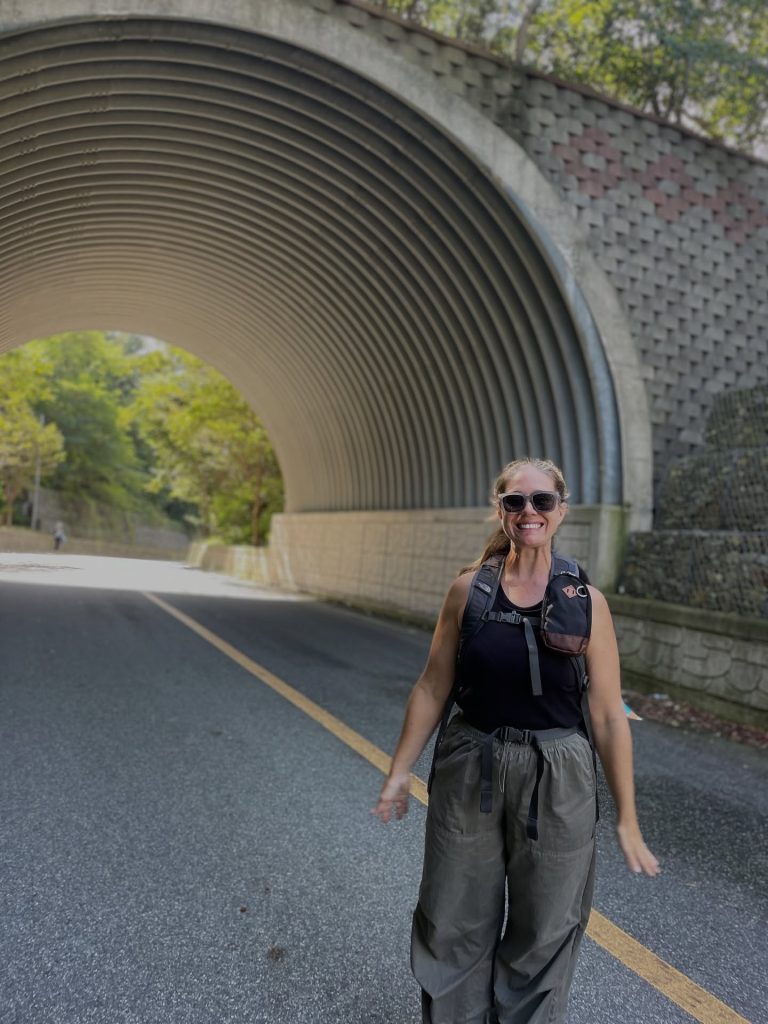
A Special Thank You
A heartfelt thank you to Sarah Symbalisty for generously allowing South of Seoul to feature her beautiful hiking photography throughout this guide. Her images capture the incredible beauty of South Korea’s trails across every season and help showcase why hiking here is such a memorable experience.
If you enjoyed Sarah’s photography and would like to discover more of her hiking adventures, travel stories, and stunning images from around South Korea and the world, be sure to visit her blog, Sarah Symbalisty.
Thank you, Sarah, for helping us inspire others to get outside and explore the beauty of South Korea.
Frequently Asked Questions About Hiking in South Korea
When is the best time to go hiking in South Korea?
The most popular hiking seasons are spring, generally March through May, and autumn, generally September through November. Spring offers blooming cherry blossoms and mild temperatures, while autumn features stunning fall foliage and crisp mountain air. Summer hikes can be beautiful but hot and humid, and winter hikes are perfect for snow-covered landscapes with the right gear.
Do I need special hiking gear for trails in Korea?
For most well-marked trails, you’ll need comfortable hiking shoes, a water bottle, snacks, sun protection, and layered clothing. For more advanced trails or winter hikes, consider bringing trekking poles, crampons, and thermal gear. You can find gear at local outdoor shops and markets, especially in areas like Namdaemun in Seoul.
Are trails in South Korea beginner-friendly?
Yes! Korea offers many beginner and family-friendly hikes, including flat Dulle trails and gentle forest paths near cities and military bases. Check out recommended trails near Osan, Pyeongtaek, and Asan for great beginner options.
Are Korean hiking trails marked in English?
Many popular hiking destinations, especially in national parks and urban areas, include signs in both Korean and English. Download Naver Map or KakaoMap to locate trailheads, transit stops, and nearby amenities. AllTrails and official national park maps may provide additional route information.
Is hiking in Korea safe for solo travelers or expats?
Many popular hiking areas in South Korea are well traveled and commonly used by solo hikers. However, hikers should still share their route, stay on marked trails, carry a charged phone, and avoid unfamiliar mountain routes after dark.
Can I hike with my dog in South Korea?
Some hiking and walking trails in South Korea allow dogs, but rules vary by park, municipality, and trail. Check posted regulations before visiting, keep your dog leashed, carry waste bags, and be prepared for restrictions in national parks or protected areas.
Are there hiking groups or communities for foreigners?
Absolutely! Groups like the Hiking in Korea Facebook Group and South Korea Hikers Facebook Group are excellent for discovering new trails, joining group hikes, and getting advice from other hikers. They’re especially helpful for expats, military families, and anyone looking to explore Korea’s outdoors with a community.
Article Information & History
Article History
No formal audit has been recorded for this article under the current South of Seoul editorial process.
Before You Act
South of Seoul articles document information available at a particular point in time. Prices, hours, services, policies, procedures, laws, eligibility requirements, transportation, contact details, and local conditions can change.
Use this article as a research starting point and confirm important details using current official resources, direct contact, Naver Maps, Kakao Map, and other reliable sources when appropriate.
For consequential immigration, legal, medical, or financial decisions, confirm current requirements with the relevant official authority or an appropriately qualified professional.
See something that needs updating?
Help us keep practical information useful. Reader reports are reviewed by our editorial team and do not automatically change this article.
 SOS.SEC Sponsored Content
 South of Seoul
 Jetta Allen


 KimchiRednecks