Maesil-Cheong 매실청 (Korean Green Plum Syrup) Guide

Interested in learning more about making your own maesil-cheong? Here is a guide from expats living in Korea that will help you make your own at home.
- Our Journey with Maesil-Cheong
- About Kimchi Rednecks’ Kitchen Adventures
- What is Maesil (매실)?
- Ingredients and Tools You’ll Need for Maesil-Cheong
- Step-by-Step: How to Make Maesil-Cheong
- How to Use Maesil-Cheong (매실청)
- Tips & Warnings
- Final Thoughts on Maesil-Cheong
- Check Out Some YouTube Video Tutorials on Maesil-Cheong
- Read more in our Year to Learn Korean Cooking Series
Our Journey with Maesil-Cheong
Maesil-cheong (매실청), also known as maesilaek (매실액) was an ingredient that I never expected would capture the hearts of two rednecks here in Korea. When Chuck and I dove into learning how to cook Korean food, we spent a great deal of time reviewing online resources to figure out the intricacies of creating the amazing flavors we loved. We even developed a resource to stock your Korean pantry to help you get started. Maesil-cheong or plum extract quickly became our secret weapon in the kitchen, showing up in marinades, dipping sauces, and even teas.
But like many ingredients in Korean cuisine, maesil-cheong is more than just a flavor booster—it’s deeply rooted in seasonal tradition and holistic health. Last summer, we took the plunge and made maesil-cheong ourselves. Here’s everything we learned.
About Kimchi Rednecks’ Kitchen Adventures
Our disclaimer: We want you to know that we are simply two white Americans who love Korean food and Korean culture. We have lived in South Korea for a number of years and food has naturally become part of our lives.

We are not experts on cooking Korean food, nor are we trying to appropriate the culture as our own. If you have someone in your life (a halmoni, ajumma, chingu…anyone with more Korean experience), then please refer to their expertise. They absolutely know best. And we simply want to share how Korean food exists in our lives.
We have researched and spent quite a bit of time learning from online sites, as well as some friends here in Korea, to better understand Korean cooking. Occasionally, we also add our own flair to a recipe as cooks tend to do, but we will let you know that this is something we are changing or adding. Our blogs document that journey of learning from others.
For more posts about Korean Cooking, check out Kimchi Rednecks’ A Year to Learn Korean Cooking series. Be sure to follow Kimchi Rednecks on YouTube for other great videos about living life in South Korea.
What is Maesil (매실)?
Maesil refers to unripe green plums—known in Japan as ume and often called Japanese apricots in English. Tart and fragrant, they’re not eaten raw but are fermented into syrups or liquors. In Korean households, maesil-cheong is a beloved staple, often used for digestion support, flavor balancing, and even fighting fatigue.
June is peak maesil season in Korea, with crates of green plums overflowing at local markets like Pyeongtaek’s 3/8 Market. That’s where our maesil journey began.

Ingredients and Tools You’ll Need for Maesil-Cheong
To make maesil-cheong at home, gather:
- 1 kg fresh green plums (maesil, 매실)
- 1 kg white sugar (equal weight to plums)
- Sterilized glass jar or fermenting container
- Optional: fermentation weight, chopsticks, knife

Step-by-Step: How to Make Maesil-Cheong
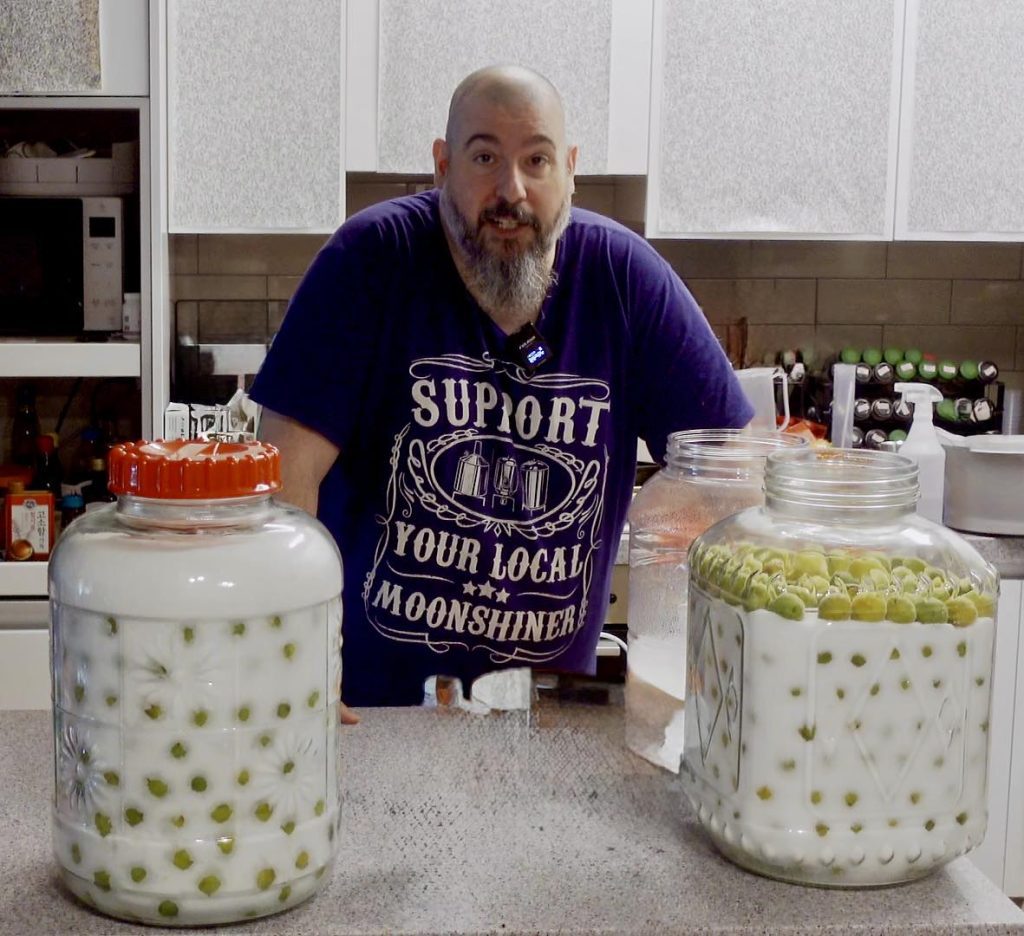
We bought 20 kilograms of maesil on a whim, dreaming of homemade maesil brandy and homemade syrup. It turned out to be one of our favorite Korean kitchen projects. However, this project included more work than we had anticipated. The results in the end were well worth the effort. Follow these steps to craft your own maesil cheong.
1. Clean the Plums
Rinse several times under cold water to remove all dirt and debris. Remove stems and discard any damaged fruit. Dry thoroughly—moisture can lead to mold.
2. Cut or Prick the Plums
You can leave them whole, pierce with a fork, or slice in half. Cutting speeds up fermentation but slightly changes the flavor.
3. Layer with Sugar
In your jar, alternate layers of plums and sugar. Start and end with a sugar layer to reduce mold risk.
4. Seal and Store Your Maesil-Cheong
Tightly seal and place in a cool, dark place. Gently shake or stir the maesil-cheong every few days for the first few weeks.
5. Stir
For the first few weeks, give the plums and sugar a gentle stir every couple of days to help the sugar dissolve evenly. If you notice the plums at the top starting to discolor or see any white film forming, give it a stir—this helps keep everything well-mixed and fermentation on track.

6. Ferment
Let it sit for at least 3 months—6 months is better. The sugar will pull juice from the plums, creating a rich syrup.
7. Strain and Bottle Your Maesil-Cheong
Once ready, strain out the fruit and bottle the syrup. Store in the fridge or a cool pantry.

How to Use Maesil-Cheong (매실청)
This golden syrup can be used in so many ways:
- Tea: Add a tablespoon to hot or cold water for maesil-cha (매실차).
- Marinades: Perfect for beef, pork, or fish.
- Salad Dressing: Combine with soy sauce, vinegar, and sesame oil.
- Mocktails & Cocktails: Swap in for simple syrup.
- Home Remedy: Traditionally used to ease indigestion and fatigue.
Tips & Warnings
- Use unripe green plums. Ripe yellow ones can spoil the syrup.
- Always sterilize jars and tools before starting.
- Don’t eat the leftover plums raw—the seeds contain natural toxins.
- Label your jar with the date so you know when it’s ready.
Final Thoughts on Maesil-Cheong
Making maesil-cheong is more than a fun kitchen experiment—it’s a beautiful way to engage with Korean food culture and seasonal rhythms. Whether you’re a long-time expat or a new arrival, crafting your own batch is a rewarding way to experience Korea’s culinary traditions. Looking for more information on making maesil-cheong check out our article with United on the RoK magazine.
If you’re not quite ready to DIY, don’t worry—bottled maesil-cheong is widely available at Korean supermarkets and traditional markets.
Check Out Some YouTube Video Tutorials on Maesil-Cheong
KimchiRednecks’ Video
Read more in our Year to Learn Korean Cooking Series
Ready to use your homemade maesil-cheong but need some recipes? Then, check out our series A Year to Learn Korean Cooking.


About Melissa Edwards-Whittington & Chuck Whittington (KimchiRednecks)
Chuck and Melissa—also known as the KimchiRednecks—have been living in Korea since 2017 and documenting their life abroad since launching their YouTube channel in 2018. Originally created to share their adventures with friends and family back in the U.S., KimchiRednecks has since grown into a vibrant and dynamic platform that reflects their love for Korean culture, food, travel, and everyday life. From foodie explorations and recipe experiments to gaming, tech, and car projects (especially the BRZ), their content offers a fun and honest window into expat life.
Chuck Whittington is a graduate of Francis Marion University with a degree in Information Systems Management. With over two decades of experience in IT, Chuck combines his technical expertise with a long-standing fascination with Korea—having visited many times before moving permanently. He’s the tech-savvy side of KimchiRednecks and brings a love for innovation, gaming, and cars to the channel.
Melissa Edwards-Whittington holds a degree in Bible with a minor in Elementary Education from Mid-Atlantic Christian University. She has worn many hats over the years—working in customer service, marketing, and now also serving as a volunteer Co-Editor and Social Media Marketing Manager for United on the RoK Magazine. Her writing and digital work focus on building community and supporting military-connected and expatriate populations in Korea. Melissa also volunteers with South of Seoul, where she helps manage online social media groups, supports local language exchanges, and creates original content to assist newcomers and long-term residents alike.
Together, Chuck and Melissa share their lives with their three beloved Shih Tzu daughters—Minion, Sookie (forever in their hearts), and Mayhem—who are frequently featured in their videos and social media posts.
Whether they’re sipping coffee at a neighborhood café, exploring hidden corners of Korea, or experimenting with homemade whiskey and brandy on their second channel, Shining with KimchiRednecks, Chuck and Melissa are passionate about sharing the real and ever-evolving journey of life abroad. One of their greatest joys is cooking, and they frequently document their culinary adventures—especially their experiences learning to prepare Korean dishes and other global cuisines—on their YouTube channel, inviting others to celebrate food, culture, and connection alongside them.
Follow Chuck, Melissa & the KimchiRednecks Adventures:
YouTube: @kimchirednecks
YouTube: @shiningwithkimchirednecks
Instagram: @kimchirednecks
Facebook: KimchiRednecks
United on the RoK Magazine: www.unitedontherokmag.com
KimchiRednecks
About Melissa Edwards-Whittington & Chuck Whittington (KimchiRednecks) Chuck and Melissa—also known as the KimchiRednecks—have been living in Korea since 2017 and documenting their life abroad since launching their YouTube channel in 2018. Originally created to share their adventures with friends and family back in the U.S., KimchiRednecks has since grown into a vibrant and dynamic platform that reflects their love for Korean culture, food, travel, and everyday life. From foodie explorations and recipe experiments to gaming, tech, and car projects (especially the BRZ), their content offers a fun and honest window into expat life. Chuck Whittington is a graduate of Francis Marion University with a degree in Information Systems Management. With over two decades of experience in IT, Chuck combines his technical expertise with a long-standing fascination with Korea—having visited many times before moving permanently. He's the tech-savvy side of KimchiRednecks and brings a love for innovation, gaming, and cars to the channel. Melissa Edwards-Whittington holds a degree in Bible with a minor in Elementary Education from Mid-Atlantic Christian University. She has worn many hats over the years—working in customer service, marketing, and now also serving as a volunteer Co-Editor and Social Media Marketing Manager for United on the RoK Magazine. Her writing and digital work focus on building community and supporting military-connected and expatriate populations in Korea. Melissa also volunteers with South of Seoul, where she helps manage online social media groups, supports local language exchanges, and creates original content to assist newcomers and long-term residents alike. Together, Chuck and Melissa share their lives with their three beloved Shih Tzu daughters—Minion, Sookie (forever in their hearts), and Mayhem—who are frequently featured in their videos and social media posts. Whether they’re sipping coffee at a neighborhood café, exploring hidden corners of Korea, or experimenting with homemade whiskey and brandy on their second channel, Shining with KimchiRednecks, Chuck and Melissa are passionate about sharing the real and ever-evolving journey of life abroad. One of their greatest joys is cooking, and they frequently document their culinary adventures—especially their experiences learning to prepare Korean dishes and other global cuisines—on their YouTube channel, inviting others to celebrate food, culture, and connection alongside them. Follow Chuck, Melissa & the KimchiRednecks Adventures: YouTube: @kimchirednecks YouTube: @shiningwithkimchirednecks Instagram: @kimchirednecks Facebook: KimchiRednecks United on the RoK Magazine: www.unitedontherokmag.com