

5 Korean City Mascots

There are many mascots that represent the characteristics of cities in Korea. Mascots often show what is most famous in that city — popular foods, local nature, cultural features, or unique history. These characters help cities promote identity, citizenship, and tourism. In this article, I’ll introduce five well-known city mascots in Korea and share what makes each one special.
Joa Yong (조아용) — Yongin City Mascot
Joa Yong is the city mascot of Yongin, and its name feels like a cute wordplay. “Joa” (조아) sounds like “좋아,” which means “to like” in Korean, and when you add “yong” (용), it becomes “joayong,” which feels like the playful expression “I like you!” (좋아용). The ending “–용” also sounds similar to the aegyo-style ending often used in casual speech.
However, the real origin of the name is a little different. The joa comes from the SNS “Like” button (좋아요), and yong actually means “dragon” while also representing Yongin City’s name.
According to Yongin Special City Hall, Joa Yong is a dragon with sharp teeth, long mustaches, and strong horns. He enjoys playing around at famous Yongin attractions such as Everland, the Korean Folk Village, and other well-known places in the city.


Haechi (해치) — Seoul City Mascot
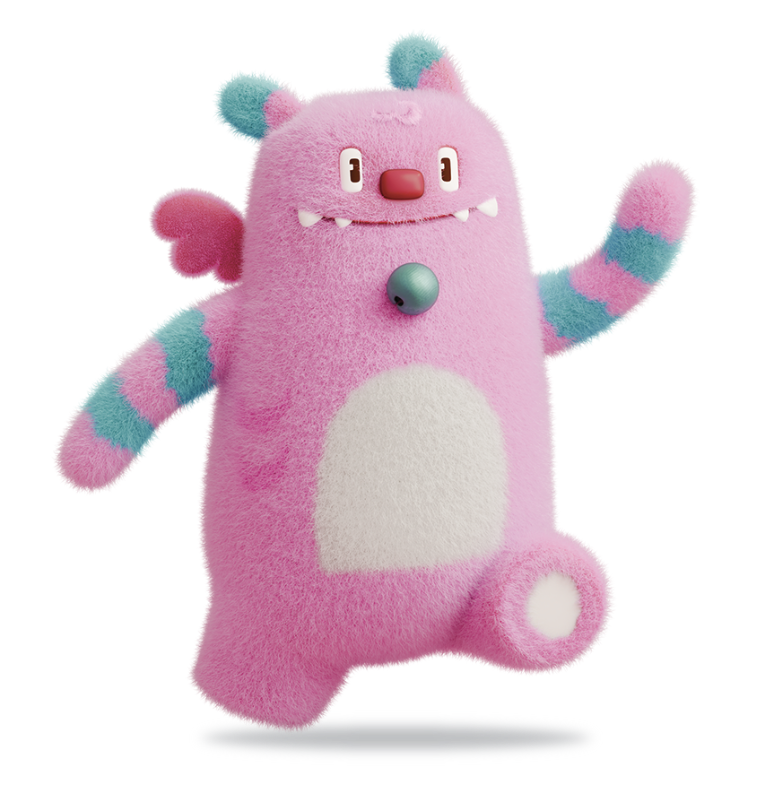
Haechi (해치) is the city mascot of Seoul. It is a mythical animal in Korean culture often compared to a lion-like beast. In history, Haechi statues were usually carved with strong, serious expressions to act as guardians of palaces and important gates. However, designers created the modern mascot to look friendlier and more welcoming, so today’s Haechi shows a round face, bright and clear eyes, a big nose, and a cheerful expression with cute teeth.
Haechi carries a magical bell that “eats” people’s sadness and anxiety and return them as happiness. Its fur is pink and mint because traditional Korean clothing, Hanbok, often uses red and blue spectrum colors. Overall, Haechi represents protection, good fortune, and the spirit of Korea’s capital city.
Deongdaeri (덩대리) — Incheon City Mascot
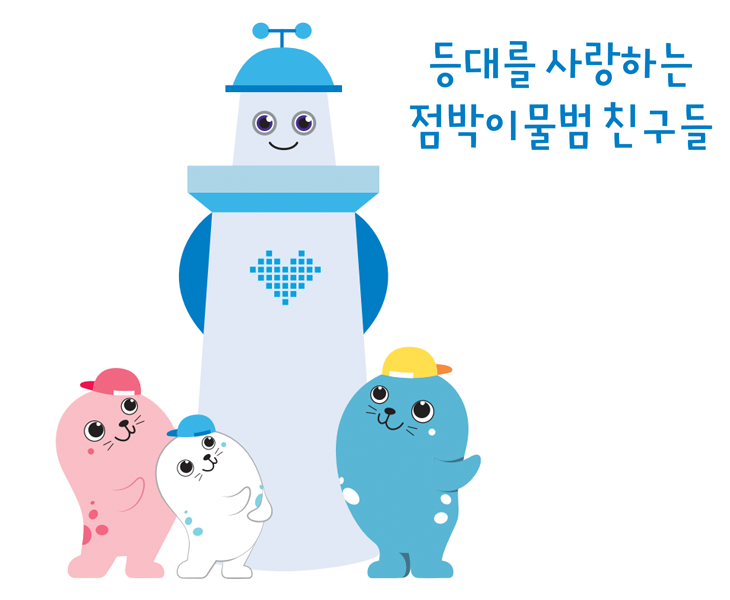
Deongdaeri is the city mascot of Incheon. Its character is designed as a lighthouse because Incheon has a long history as one of Korea’s most important port cities, where real lighthouses guided ships safely into the harbor. Deongdaeri lights up the city and helps guide people safely, just like those lighthouses do.
Deongdaeri likes playing the guitar and dreams of becoming a lighthouse that represents Incheon, just like his grandfather, the Palmido Lighthouse. He expresses his feelings openly, which is shown on his chest, because he has such a pure heart that he cannot hide how he feels.
Boogi (부기) — Busan City Mascot
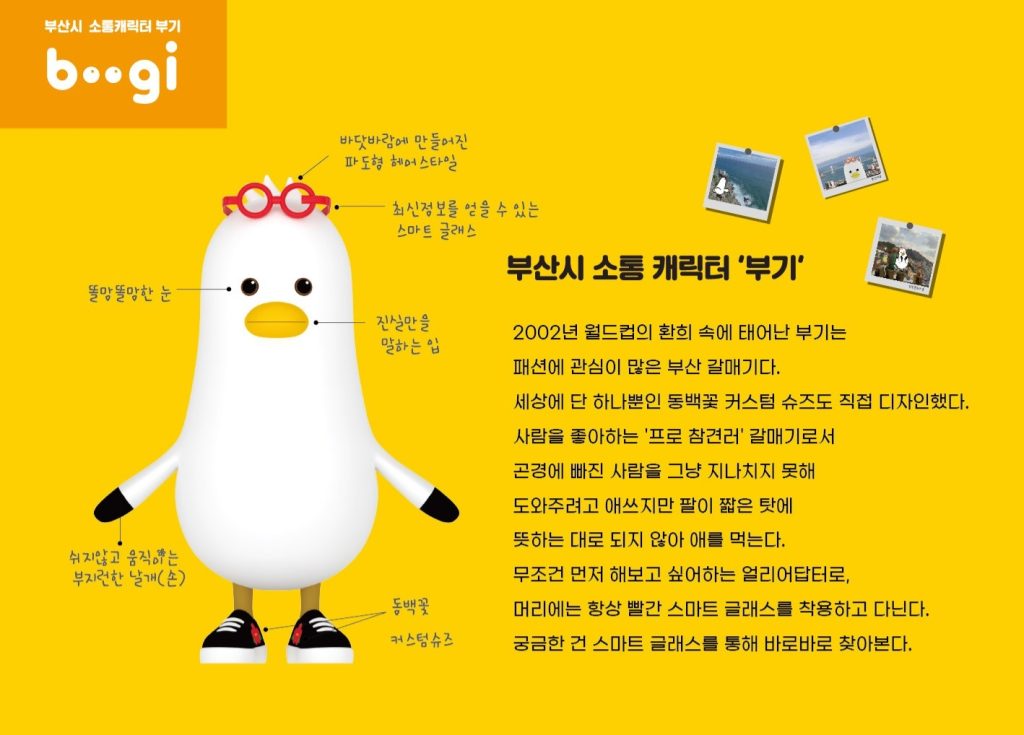
Boogi is the city mascot of Busan. Because Busan is famous for its coastline, Boogi is designed as a seagull. He has bright eyes, wave-shaped hair from the sea wind, and a mouth that only tells the truth.
Boogi also has smart glasses that give him the newest information, wings that never stop moving, and custom shoes. He is an early adopter and gets curious easily. He keeps his red smart glasses on his head so that he can quickly use them whenever something interests him.
Dodalssu (도달쑤) — Daegu City Mascot
Dodalssu is the city mascot of Daegu. It is an otter character that lives in a creek in the city, representing the clean water and natural spaces that Daegu wants to protect. Dodalssu enjoys spending time with many different people and is always full of excitement and humor.
Daegu created this mascot to show that the city values clean water, eco-friendly living, and a healthy environment. The name Dodalssu also reflects this idea.
• do (도) comes from dosi, the Korean word for “city.”
• dalssu (달쑤) comes from Dalgubeol sudal, which means “Dalgubeol otter,” a symbol connected to the region’s history.
designed to look friendly, playful, and welcoming, the mascot connects residents and visitors with Daegu’s environmental message.

Final Thoughts
I only introduced five mascots of Korean cities, but there are many more all over the country. Unfortunately, many cities do not use their mascots often, so some mascots never become very well known. I hope cities will use their mascots more actively to promote themselves, attract foreigners to visit, and help people feel more comfortable in Korea through cute and friendly characters.
About the “Shared Voices” Initiative
South of Seoul volunteers collaborate with Korean public schools to provide students meaningful opportunities to expand their English communication experience while sharing their world views with the international community in Korea.
Through guided projects, students in Korean classrooms use digital and creative tools to express themselves in English, building confidence in their communication skills. At the same time, they learn to approach writing with empathy. They participate in guided discussions that consider different perspectives, practicing cultural awareness, and developing a deeper understanding of how their words can connect communities across borders.
It’s important to know that schools in South Korea are becoming increasingly diverse, this includes the students who participate in South of Seoul programs like “Shared Voices.”

Mingyeong Kim is a junior at Jinwee High School. She is from Suji, Korea.
She enjoys studying English and is interested in writing. Her dream is to know about various cultures in the world and specialize in studying English literature.
Min Gyeong Kim
Mingyeong Kim is a junior at Jinwee High School. She is from Suji, Korea. She enjoys studying English and is interested in writing. Her dream is to know about various cultures in the world and specialize in studying English literature.


