
Looking for a field-guide for newcomers who need to recognize what’s crawling, flying, or nibbling around their apartment? Check out our list of the types of household pests in South Korea.
Why You Need to Know About Pests in South Korea
Flying & Biting Insects
You especially want to plan ahead for the insects that bite! Keep in mind, just because they fly doesn’t automatically mean they bite. Knowing the difference can help with peace of mind.
| Pest | Hangul / Romanisation | Peak Months | How to Spot | Why You Should Care |
|---|---|---|---|---|
| Asian tiger mosquito | 흰줄숲모기 / hin-jul-sup-mo-gi | May-Oct | Black body, white leg bands | Vector for dengue & malaria in Korea’s northern provinces; aggressive daytime biter. |
| Lovebug | 사랑벌레 / sa-rang-beol-le | Late Jun–mid Jul | Two black flies stuck tail-to-tail | Don’t bite, but cover cars & windows in swarms; climate-driven newcomer |
| Fruit/Drain gnat | 초파리·날파리 / cho-pa-ri·nal-pa-ri | Jun-Sep | Tiny brown flies at sinks | Lay eggs in organic sludge; contaminate produce |
| House fly | 파리 / pa-ri | Year-round | Common grey fly, red eyes | Transmit bacteria onto food surfaces |
Stored-Product (Pantry) Invaders
Quick warning: Korea’s hot, humid summers plus bulk rice purchases make pantry pests extremely common. Freeze new grains 24 h, then store in airtight bins or the 김치 fridge. Learn more about how to Control pests in your homes in South Korea here.
| Pest | Hangul / Romanisation | Where You’ll See It | First Defence |
|---|---|---|---|
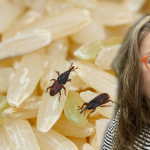
| Rice weevil | 쌀벌레 / ssal-beol-le | Inside rice or mixed-grain bins | Mustard-oil sachet “쌀벌레 제거제” or freeze grain |
| Flour beetle | 밀가루벌레 / mil-ga-ru-beol-le | Flour, pasta, pancake mix | Replace infested bags; sticky “밀가루벌레 트랩” |
| Pantry moth | 식품나방 / sik-pum-na-bang | Oatmeal, nuts, pet food | Pheromone traps + wipe shelves with vinegar |
Copy-and-paste search terms
- Rice weevil: 쌀벌레 퇴치, 쌀벌레 없애는 방법, 쌀벌레 제거제
- Flour beetle: 밀가루벌레 퇴치, 밀가루벌레 트랩, 밀가루벌레 약
Indoor Creepers & Crawlers
| Pest | Hangul / Romanisation | Key Habitats | Risk | Fast Fix |
|---|---|---|---|---|
| German cockroach | 독일바퀴 / dok-il-ba-kwi | Kitchens, bathrooms, wall voids | Food-borne illness, asthma | Gel bait “바퀴젤”; seal pipe gaps |
| American cockroach | 미국바퀴 / mi-guk-ba-kwi | Basements, boiler rooms | Same as above | Cover floor drains with mesh |
| Silverfish | 좀벌레 / jom-beol-le | Bookcases, closets | Chew paper & fabrics | Dehumidifier < 50 % RH |
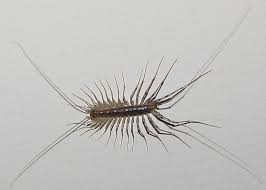
| House centipede | 그리마·돈벌레 / geu-ri-ma·don-beol-le | Bathrooms, under sinks | Startles you but also eats other bugs, so good to have around | Vacuum & release outdoors |
Night-Time Biters & Parasites
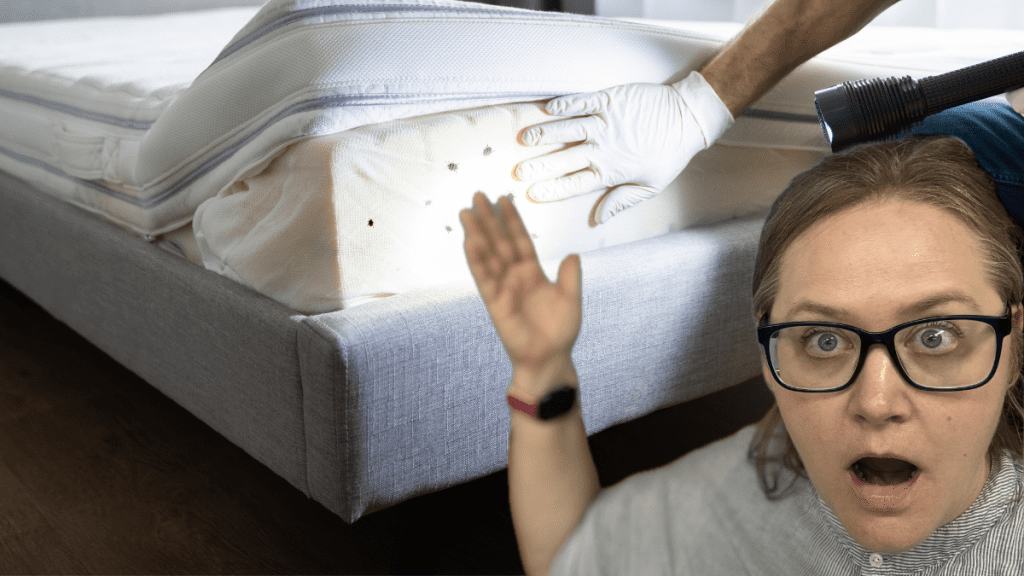
Make sure to keep your house clean and protected from these annoying little guys. Bed bug are on the rise in Korea since 2023 so you need to be prepared.
| Pest | Hangul / Romanisation | Tell-Tale Sign | Action |
|---|---|---|---|
| Bed bug | 빈대 / bin-dae | Small reddish insects, rust-coloured spots on sheets | Hot-wash bedding > 60 °C; call a “빈대 방제” company immediately |
| Dust mite (allergen) | 집먼지진드기 / jip-meon-ji-jin-deu-gi | Invisible; triggers sneezing | Encase pillows & mattresses; maintain RH < 50 % |
Rodents & Snakes (포유류/파충류 해충)
While insects grab most of the headlines, Korea’s cities and rural areas also host mice, rats, and the occasional snake. Below is a fast-ID chart, the risks they carry, and how to respond in Korean.
| Pest | Hangul / Romanisation | Key Habitats | Why It Matters | First Response & Prevention |
|---|---|---|---|---|
| Norway rat ( sewer / street rat ) | 시궁쥐 / si-gung-jwi | Basement trash rooms, parking garages, ground-floor kitchens | Leptospirosis, hantavirus; gnaw wiring & pipes | Seal 6 mm+ gaps with steel wool & silicone.• Set snap traps or bait stations “쥐덫 / 쥐약” along walls (not in open floor).• Keep garbage chutes closed & bins lidded. |
| House mouse | 집쥐 / jip-jwi | Cupboards, ceilings, behind appliances | Food contamination; triggers asthma | Same as above, but place smaller “미끼통” traps inside cupboards; store snacks in airtight bins. |
| Asian house rat (roof rat) | 들쥐 or 검은쥐 / deul-jwi | Upper floors, attics, balcony planters | Can climb walls & powerlines; chew electrical cables | Prune tree branches touching balconies; install metal “rat guards” on drain-pipes. |
| Korean pit viper (Gloydius spp.) | 살무사 / sal-mu-sa | Overgrown lots, drain channels, ground-floor gardens | Venomous bite and a medical emergency | Do not handle. Keep 3 m distance & call 119 for wildlife rescue. |
| Asian rat snake (non-venomous) | 유혈목이 / yu-hyeol-mok-i | Warm engine bays, storage sheds | Usually harmless but startling | Gently usher outside with a broom, or call a “뱀 방제” service through the 관리소. |
City snakes are more common than you’d think: 9,638 snake-sighting call-outs were logged by Seoul & Gyeonggi 119 units in the last four years alone.
Korean Search-Terms Cheatsheet
Her are some search terms for the large types of household pests Korea:
| Need | Copy-&-Paste Keyword | Typical Results |
|---|---|---|
| Rat poison / bait | 쥐약, 쥐퇴치제 | Wax blocks, grain baits (outside use) |
| Snap or live traps | 쥐덫, 생포쥐덫 | Re-usable plastic or metal traps |
| Rodent-proof mesh | 쥐막음 망 | Fine stainless mesh for drain or AC holes |
| Professional rodent service | 쥐 방제 업체, 쥐 소독업체 | Quotes start ≈ ₩150 000 for a 20 평 unit |
| Snake removal | 뱀 퇴치, 뱀 방제 업체 | Wildlife handlers; many contract with local govt |
| Emergency snake call | 119 뱀 신고 | Fire-rescue dispatch (free, 24 h) |
Quick Prevention Checklist
- Starve them out – Bag food waste nightly; rinse recyclables.
- Block entry holes – A pencil-sized gap is wide enough for mice; fill with steel wool + silicone.
- Trim green belts – Keep weeds < 15 cm and store patio items 10 cm off the ground.
- Monitor – Check snap-traps weekly; reset until two full weeks pass with no catches.
- Call early – Rodent litters every 21 days and vipers are protected wildlife—get pros or 119 involved before problems escalate.
Up-and-Coming Climate Pests
South Korea’s warming trend is letting subtropical species move north. Recent examples include new Aedes mosquitoes on Jeju Island and annual lovebug swarms in Incheon. Expect more “southern” insects to appear in the next decade and watch the news each spring for alerts.
Additional Reading
We also recommend reading the following blog to learn more about managing different types of household Pests in Korea: