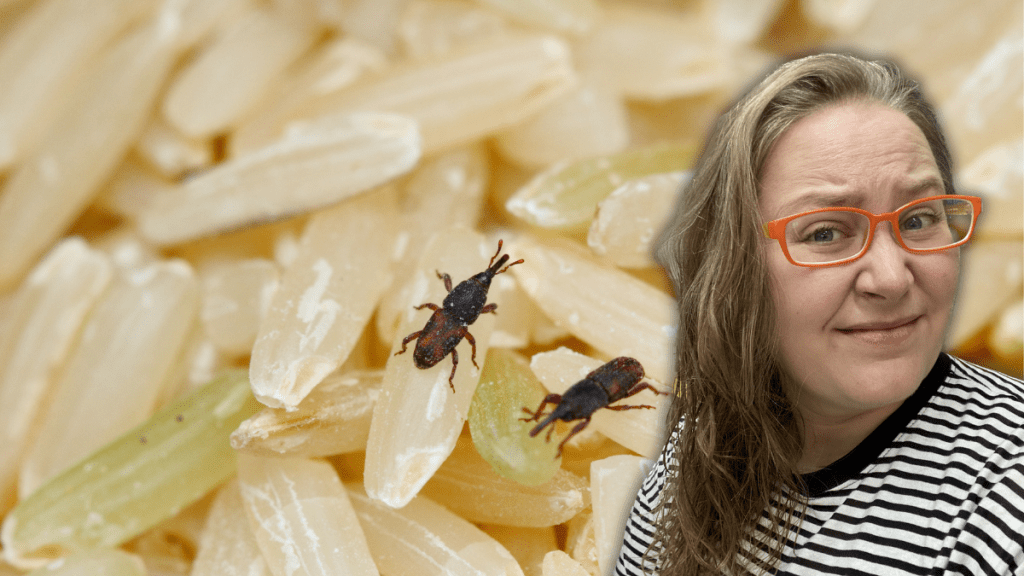
Household Pests in South Korea: A Local Guide
When you move to a new part of the world, you need to learn about local pest control. Don’t get caught off guard, learn about the household pests in South Korea and get ahead of the problem. About Household Pests in Korea The following post exists as a practical handbook for new residents who want to keep their homes bug-free. Let’s start by addressing the factors to consider for managing pests in your new home in Korea: Temperature Insects are ectotherms. Below about 20 °C, many pantry and drain pests cannot complete a life cycle; at 25–30 °C their development time can be cut in half, letting populations explode. Korean summers routinely reach that sweet-spot, so air-conditioning isn’t just for comfort—it literally slows roach and moth reproduction. Climate to TravelPMC Humidity High RH softens grain kernels, attracts mold (a food source for mites), and provides the moisture cockroaches need to survive. During the monsoon, outdoor RH averages 75 % in Seoul and can exceed 90 % on Jeju. Indoor kitchens and bathrooms mirror those numbers unless actively dehumidified. Population Density Shared walls mean shared pest pathways. Studies in Korean cities show German-cockroach counts climb with the number of adjoining units, because insects migrate through plumbing voids and trash chutes faster than single households can treat them. Bed-bug control is similarly building-wide, which is why early reporting to the 관리소 is critical. Season Korea’s insect calendar tracks the climate: mosquitoes and pantry pests surge once average lows stay above 18 °C; lovebugs now emerge every late-June thanks to warmer, wetter conditions; cockroach sightings peak in July–August when both heat and humidity crest. Knowing this rhythm helps you time prevention and professional treatments. So pay attention to the seasons and the impact of climate change when managing household pests in South Korea. A Plan for Managing Four Key Environmental Factors Now that you know what you need to pay attention to, lets jump into the basic plan for keeping your house in Korea pest free. Factor What It Means for Pests What You Can Do Temperature Most insects thrive once indoor temps stay above ≈ 20 °C (68 °F). In Korea that’s late spring → early fall. Keep the thermostat under 24 °C when possible; store grain products in the kimchi fridge. Freeze grains before storing them. Humidity Cockroaches, silverfish, and mold-loving pantry bugs flourish when relative humidity tops 55 %. Korea’s monsoon (장마) season pushes RH > 75 %. Run a dehumidifier (제습기) or A/C “dry” mode; empty water tanks daily. Aim for ≤ 50 % RH. Population Density High-rise apartments share walls, plumbing chases, and trash rooms—perfect bug highways. Infestations spread floor-to-floor. Seal pipe gaps with silicone, install mesh in floor drains, or cover them when not in use, and report early sightings to the 관리소 (building office) so treatments can be coordinated. Season May – October: mosquito swarms, pantry moths, rice weevils, and cockroaches peak. November – April: rodents and cluster flies seek indoor warmth, but bug pressure dips. Schedule deep “spring cleaning” (봄맞이 대청소) before May: vacuum baseboards, wash screens, and purge expired dry goods to start the high-bug season with a clean slate. Quick Takeaway: Korea’s hot, humid summers, mild shoulder seasons, and densely packed housing give pests abundant food, moisture, and entry points. Staying ahead of temperature, humidity, density-driven pathways, and seasonal cycles keeps most infestations from ever gaining a foothold. General Year-Round Prevention Checklist Of course, you also need to take precautions all year to prevent household pests in your home in South Korea. Some things you should always do: Shopping List & Hangul Search Terms Also remember to keep pest control items on hand at home as well. Need Product/Keyword in Korean Notes Cockroach traps/gel 바퀴 트랩, 바퀴젤 Sold at Daiso, Homeplus, Coupang Ant bait 개미약, 개미 겔 Look for slow-acting gel Mosquito control 모기향 (coils), 전기 모기채 (electric racket), 모기장 (net) Summer staples Drain-fly killer 배수구 세정제, 락스 Monthly use prevents gnats. Professional help 방역업체, 소독업체, 해충 방제 Ask for 견적 (quote) & 방제 계획 (treatment plan). Rice Weevil Control 쌀벌레 퇴치 There are non-toxic mustard based packets that go into rice bins. Indian-meal moth 식품나방 퇴치 Sprays, cleaners, and traps exist When to Call an Exterminator (방역업체) Of course, when do you know it’s gone too far? When is it time to bring in a professional? Typical apartment service (cockroaches/ants) starts around ₩120 000 for a 20 평 unit; bed-bug heat or chemical treatments range ₩400 000-1 000 000 depending on room count. Always request: Rental managers may sometimes split the bill if the issue predates your lease. You can’t expect this to happen but it’s worth asking. Final Thoughts Stay alert, stay sealed, and you’ll keep most creepy-crawlies firmly outside your Korean home. This will protect your food, peace of mind, and leave you more time to enjoy everything else this country has to offer! South of SeoulFounded in 2015, the South of Seoul team consists of volunteers on three continents working together to support English-speaking people traveling or living in South Korea. South of Seoul volunteers work with organizations and individuals across South Korea to improve equitable access to information across South Korea. Much of South of Seoul’s information focuses on Pyeongtaek, Gyeonggi-do, South Korea. Blogs published under the authorship of “South of Seoul” include blogs compiled by multiple volunteers to improve access to standardized information unrelated to individualized personal experiences. www.southofseoul.net
