ContentsView article sections
Renting at Humphreys or Osan Bases can feel overwhelming. Keep reading for a comprehensive list of questions that will help your work more closely with the real estate agents helping you find a home.
Submit a Request to Connect with a Realtor Serving Humphreys or Osan Bases
Are You Relocating to Korea
Relocating to South Korea is an exciting opportunity, whether you’re arriving with the military-connected community or making Korea your home through work, study, or a new chapter in life. From vibrant city neighborhoods and modern apartment towers to quiet villages nestled among the mountains, Korea offers an incredible variety of places to live. Every neighborhood has its own personality, and every home tells a different story.
My Feelings About Life in Korea
Living in Korea is an experience unlike any other. Families quickly discover convenient public transportation, welcoming local businesses, beautiful parks, rich cultural traditions, and some of the safest communities in the world. Weekend adventures can include hiking scenic mountains, exploring centuries-old palaces, relaxing at a neighborhood café, or visiting bustling markets just minutes from home. Long holiday weekends can even mean international travel outside of Korea! The possibilities are endless in Asia!
While adjusting to a new country takes time, many residents find that Korea becomes more than just a duty station or temporary assignment. Instead, it becomes a place filled with lasting friendships and unforgettable memories.
About My Experience with Housing Issues in Korea
As a community advocate researching how to support people affiliated to Camp Humphreys, I’ve learned a lot about the questions individuals need to ask so to find the right home. I made this post to pass that knowledge to new arrivals to help them enjoy Korea as much as my family has. Let’s tet into it!
Finding the Right Home in Pyeongtaek
Finding the right home, takes more than simply falling in love with a beautiful apartment. Every family’s needs are different. Commute times, school transportation, utility costs, parking, storage, and neighborhood amenities can all have a significant impact on daily life. Asking the right questions before signing a lease helps prevent surprises later and ensures your home truly supports your family’s lifestyle.
For military-connected families, there are additional considerations beyond what most renters think about. Housing allowances, utility reimbursements, installation access, school bus routes, and PCS planning all play an important role in choosing where to live. Understanding what the landlord does and does not cover before committing to a lease can save both money and stress throughout your tour.
International residents not affiliated with the military also benefit from doing a little homework before signing a lease. Rental practices, maintenance responsibilities, utility setup, and apartment management systems in Korea may differ significantly from your home country. Taking time to ask detailed questions gives you a clearer picture of your financial responsibilities, your rights as a tenant, and what daily life will actually look like once you move in.
Whether you’re arriving for your first assignment, accepting a new job, attending school, or simply beginning your next adventure, preparation is one of the best tools you can bring with you. The following questions can serve as a helpful starting point when touring homes, speaking with landlords, or working with a real estate agent.
Understanding Korean Housing Styles: Apartments, Villas, and Single-Family Homes
One of the first steps in finding the right home in Korea is understanding the different types of housing available.
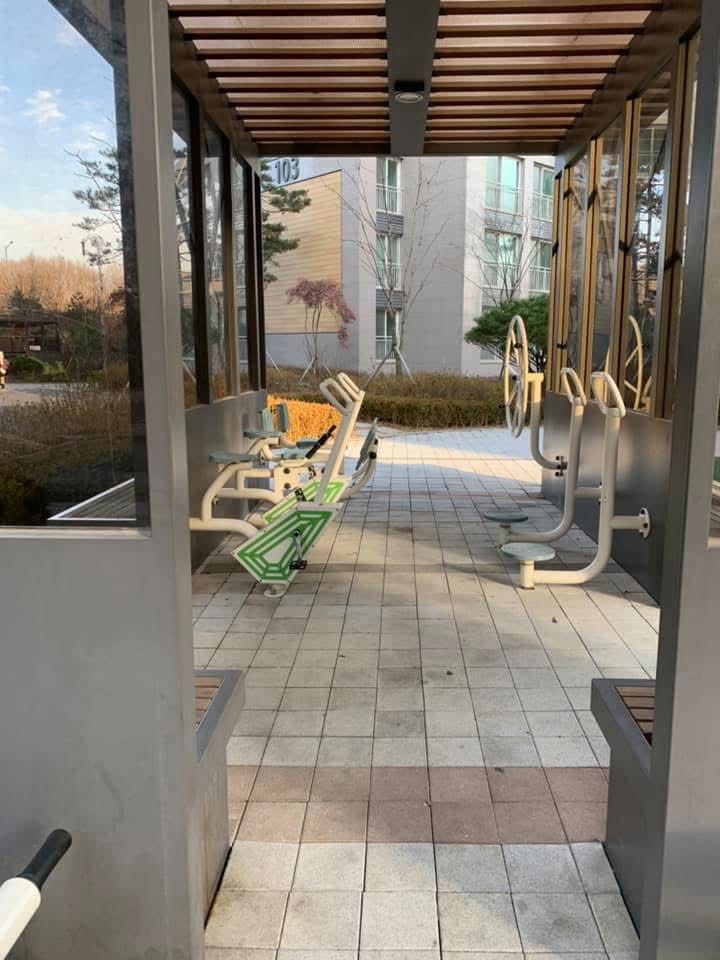
Apartments are one of the most common housing options in Korea and are often part of large residential complexes that may include security, playgrounds, community spaces, convenience stores, gyms, and designated parking areas. Many apartments are modern and offer great access to public transportation, schools, and shopping, but layouts, storage options, and included appliances can differ greatly from what many international residents are used to.
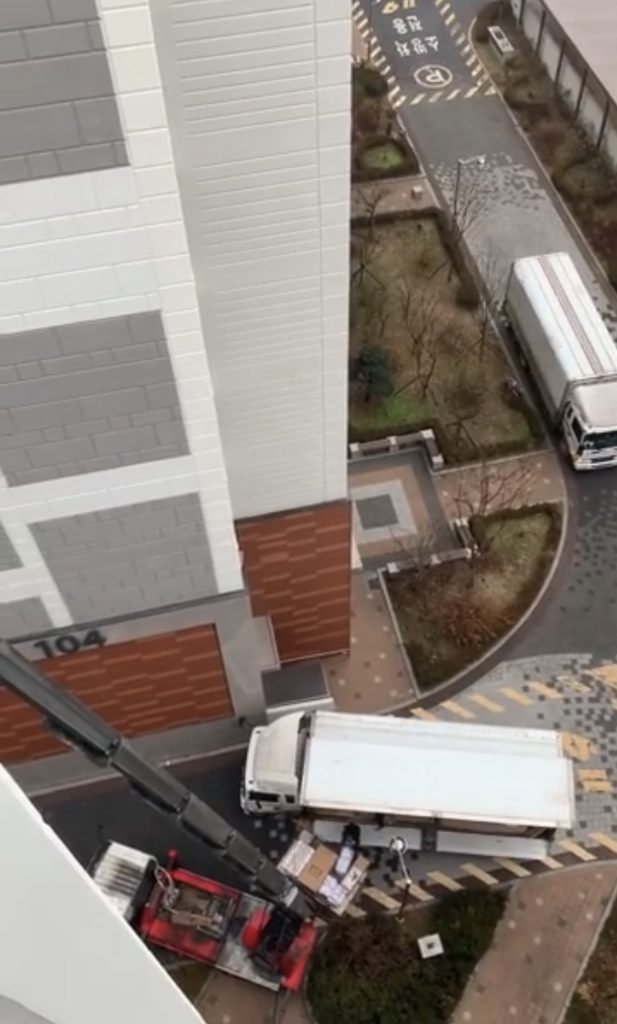
Villas are typically smaller, low-rise buildings that usually have fewer units than large apartment complexes. They can offer a more neighborhood-style living experience and may provide larger spaces or more affordable options, but they often have fewer amenities, limited parking, and less centralized management. If you are familiar with American-style duplex housing, imagine a similar concept—but instead of homes being side-by-side, they are often stacked vertically, level by level. Many villas have a similar layout on each floor and are typically only three to four stories high, which is why they are not classified the same way as larger apartment buildings. Some villas have small elevators, while others only have stair access. Before moving in, it is important to check the size of the elevator and stairwell to ensure large furniture and household goods can be brought inside. Don’t be surprised, though—professional movers in Korea are often experienced with creative solutions and may use exterior window access to move large items into upper floors when necessary.
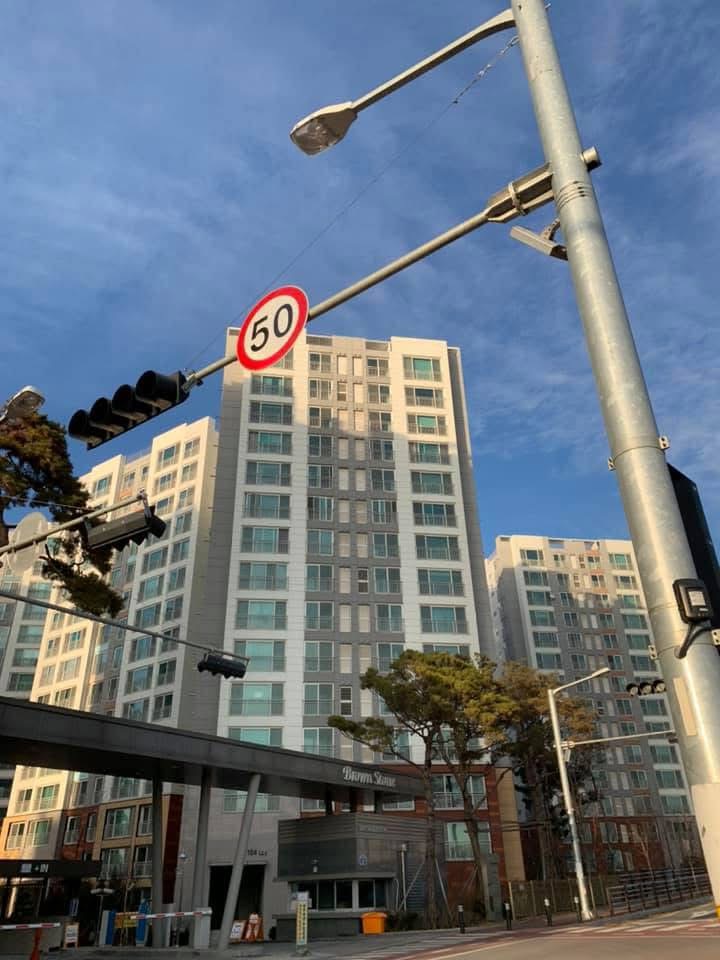
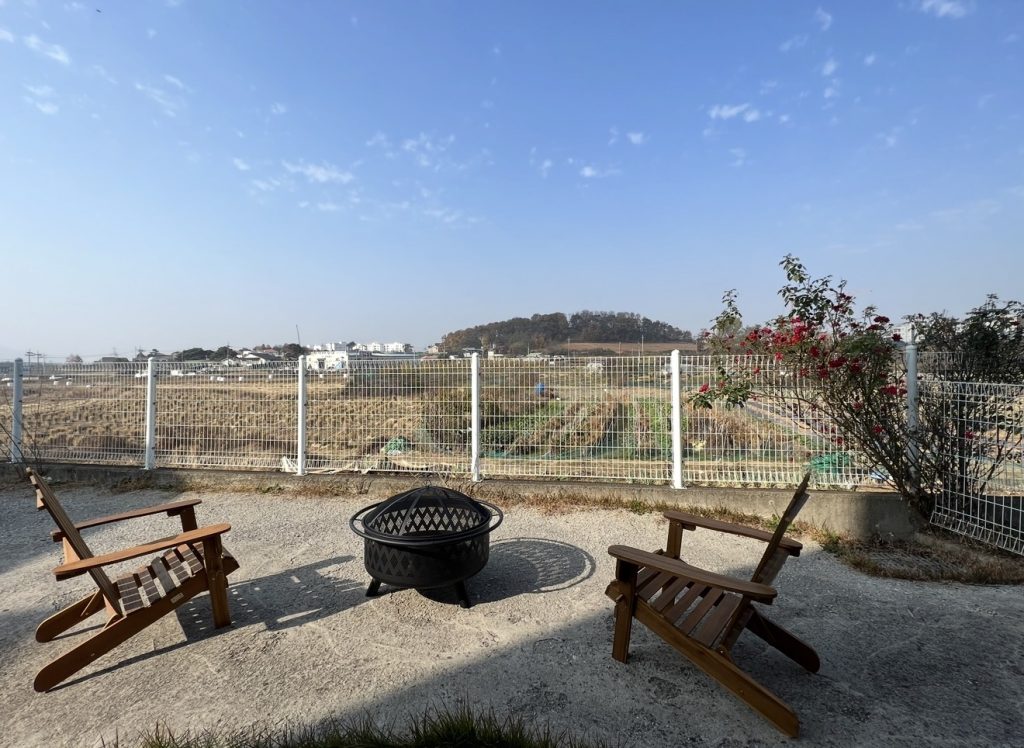
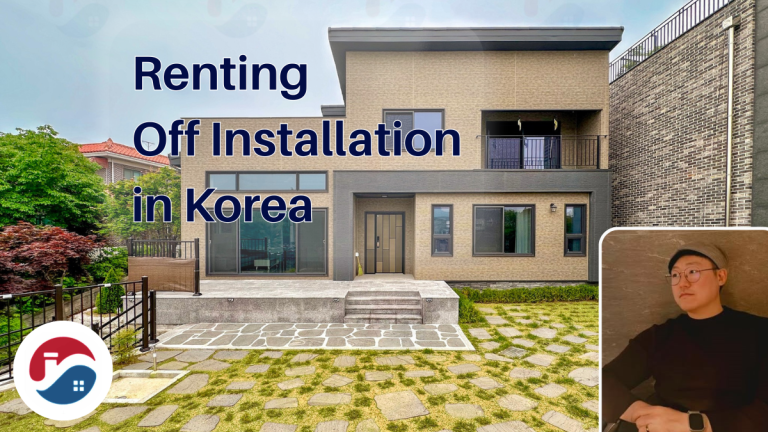
Single-family homes provide a more traditional house-style living experience, often with more privacy, outdoor space, and separation from neighbors. However, they may require more responsibility for maintenance, yard care, heating, cooling, and repairs. Understanding the differences between these housing styles will help you choose a home that fits not only your budget, but also your family’s daily routines, transportation needs, and lifestyle expectations while living in Korea.
The Move-In Walkthrough: Protect Yourself Before You Sign
Before signing your lease and moving your belongings into your new Korean home, complete a detailed move-in walkthrough with the landlord or realtor. Document everything you see, no matter how small it may seem, including scratches on walls, damaged flooring, stains, broken fixtures, existing repairs, appliance conditions, and any areas that need attention. Take photos and videos of every room, including close-up pictures of existing damage, and keep a written record that both you and the landlord can reference later.
If repairs or maintenance items are needed, make sure they are documented in writing and establish a clear timeline for when they will be completed before signing the lease or accepting the keys. Having a shared understanding of the home’s condition from day one can help prevent misunderstandings later and protect you from being held responsible for damage that existed before you moved in.
Priority Questions for Military-Connected Community
- What agencies are currently on the Housing “Black List”? This list can be found at your installation’s housing office. It is frequently updated, so ensure you get an updated list directly from the office, not social media or a community member.
- Is the monthly rent within my Overseas Housing Allowance (OHA) of Living Quarters Allowance (LQA)
- Will the utilities fall within the Utility Allowance?
- Are any utilities included in the rent? If so, which ones?
- How are utilities paid each month?
- What expenses should I expect to pay out of pocket that are not covered by OHA, LQA, or the Utility Allowance?
- How far is the home from the installation gate closest to my workplace? Is that gate open 7 days a week, 24 hours a day? If not, how far is that gate from my possible new home?
- Is there a direct bus route from the residence to the installation schools?
- If not, is there a shuttle that connects to the school bus stop? If there is no shuttle, how far is the walk or drive to the nearest school bus stop or will I have to provide transportation to and from school for my child? Remember that some housing communities are located a considerable distance from bus routes, making it your responsibility to get children to the bus stop on time. Depending how far you live from the installation, you may also be required to provide transportation to and from school completely on your own.
Questions Every International Resident Should Ask
Location & Community
- What style of housing is this (single-family home, villa, or apartment)?
- Where is the nearest Korean public transit bus stop?
- Are parks or playgrounds nearby?
- Is there a grocery store or traditional market within walking distance?
- Are there restaurants, pharmacies, hospitals, or convenience stores nearby?
Rent & Financial Responsibilities
- What is the monthly rent?
- Are there building or apartment maintenance fees?
- When is rent due each month?
- What forms of payment are accepted?
- If you are using LQA (Living Quarters Allowance), it is typically provided as a yearly allowance. Before signing a lease, ask whether the landlord will allow you to pay rent in monthly or smaller increments instead of paying an entire year upfront. Understanding the payment expectations ahead of time can help you avoid having to carry a full year’s worth of rent at once and make managing your household budget easier while living in Korea.
- Which utilities does the landlord pay?
- Which utilities is the tenant responsible for?
- How are utilities paid?
- How is internet service established, and who is responsible for the account and payments?
Building Rules & Amenities
- Are there established quiet hours?
- Is there dedicated parking?
- Is the parking assigned to the building or specifically to my unit?
- Is my parking space marked or numbered?
- How many dedicated spaces does my unit have? If you need more than 1, be sure to voice that need to the realtor.
- Who should I contact if someone blocks my parking space?
- Is visitor parking available?
- Are there amenities such as a gym, pool, playground, rooftop, or community room?
- Will I receive an access card or key for those amenities?
- What are the operating hours?
Outdoor Spaces
- Is there a yard?
- Is the yard private or shared?
- Who is responsible for mowing or maintaining it?
- How often will it be mowed or maintained?
- Is rooftop access available?
- Is rooftop access reserved for the top floor or available to all residents?
Pets
- Are pets allowed?
- Are there breed, size, or quantity restrictions?
- Is there an additional pet deposit or monthly fee?
Interior Features
- How many bedrooms are there?
- How many bathrooms?
- Do the bathrooms include a shower, bathtub, or both?
- How many rooms have air conditioning?
- Helpful Tip: Most Korean homes do not have central heating and air conditioning like many homes in the United States. Instead, individual wall-mounted air-conditioning units are installed in select rooms. Not every room will have one, so be sure to ask before signing your lease.
- How often are the air-conditioning units serviced, flushed, and cleaned?
- Who is responsible for servicing the air conditioners?
- Are there individual thermostats or remote controls for each unit?
- Do the air conditioners have a dehumidifying feature?
- Are dehumidifiers provided with the unit?
Appliances & Storage
- Does the home include a washer and dryer?
- Are they included in the lease?
- Who is responsible for maintenance or repairs?
- What size is the oven—standard Korean size or larger U.S.-style?
- Is furniture included?
- If furnished, who maintains or repairs the furniture?
- After my household goods arrive, who removes any furniture provided by the landlord?
- When moving in, are there elevator reservations or moving fees?
- How will household goods be moved into the unit? Elevator? Stairs? The window uses lifts?
- Does each bedroom have a closet?
- If not, will wardrobes or storage cabinets be provided?
- Does the property include solar panels?
Maintenance & Tenant Rights
- Is the landlord required to provide notice before entering the property?
- Who handles maintenance requests—the landlord, apartment management office, or building manager?
- What is the typical response time for repairs?
- If the landlord fails to pay the mortgage, and tenants must move through no fault of their own, who covers relocation expenses?
- If I lease for three years or longer, am I responsible for replacing worn flooring?
- If I lease for three years or longer, am I responsible for replacing wallpaper?
Article Information & History
Article History
No formal audit has been recorded for this article under the current South of Seoul editorial process.
Before You Act
South of Seoul articles document information available at a particular point in time. Prices, hours, services, policies, procedures, laws, eligibility requirements, transportation, contact details, and local conditions can change.
Use this article as a research starting point and confirm important details using current official resources, direct contact, Naver Maps, Kakao Map, and other reliable sources when appropriate.
For consequential immigration, legal, medical, or financial decisions, confirm current requirements with the relevant official authority or an appropriately qualified professional.
See something that needs updating?
Help us keep practical information useful. Reader reports are reviewed by our editorial team and do not automatically change this article.

 James Chung

 SOS.SEC Sponsored Content
 South of Seoul

 Ja Houn Gu

 Jung Jun Seo