
For many military-connected families, renting off installation in Korea is one of the biggest decisions they’ll make after receiving PCS orders. Choosing to live in a Korean neighborhood gives you the opportunity to experience local culture, discover favorite cafés and restaurants, and enjoy everyday life beyond the installation gates. Although the process might seem unfamiliar at first, understanding how renting off installation in Korea works can make the transition much smoother.
Thinking About Renting Off Installation in Korea?
A Guide Based on Real Experience
Whether you’re an active-duty service member, DoD civilian, contractor, or accompanying family member with SOFA status, renting off installation in South Korea can be one of the most rewarding parts of your assignment. It offers the opportunity to experience everyday life in Korean neighborhoods while enjoying modern apartments, local cafés, parks, and communities that many visitors never discover.
At the same time, renting a home in Korea is different from renting in the United States. The housing process, lease agreements, rental system, and even the role of a real estate agent can be unfamiliar for newcomers.
I’ve helped hundreds of SOFA status renters navigate the Korean housing market as a realtor who has worked with military families for years. While every housing situation is unique, in my experience, I have noticed many first-time renters have the same questions and concerns.
This guide shares the same advice I give my clients every week, along with practical tips to help make your housing search smoother and avoid common mistakes.
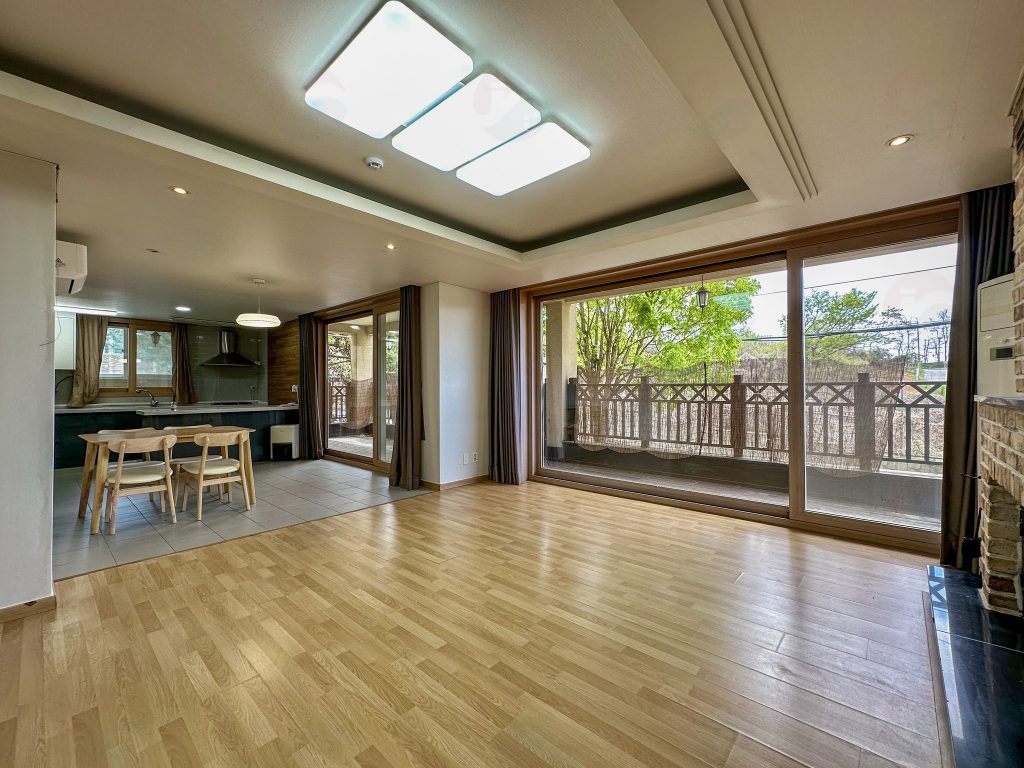
Photo courtesy of Plus Realty.
Start With Your Installation’s Housing Office
Before you begin viewing apartments, be sure to connect with your installation’s Housing Office. They will explain your eligibility, current housing policies, required briefings, and any documentation you’ll need before signing a lease. Depending on your installation, these official resources can help you get started:
- Camp Humphreys Housing Division provides information on housing policies, off-post inspections, lease reviews, housing briefings, and registered realtors for those authorized to live off installation.
- Camp Humphreys Family & MWR Housing Resources offers additional relocation and housing information for service members and their families.
- Osan Air Base Finding a Home Guide walks newcomers through the housing process, including briefings, requirements, and finding off-base housing.
If you’re new to Korea, our Guide to Renting a Home in Pyeongtaek for U.S. Military walks you through the military requirements, approvals, inspections, and paperwork you’ll need before signing a lease.
- Thinking About Renting Off Installation in Korea?
- Why Many Families Choose to Live Off Installation
- Understanding the Korean Rental System for Renting Off Installation in Korea
- Work With Your Housing Office Before Renting Off Installation in Korea
- A Realtor in Korea Does Much More Than Show Homes
- Choosing the Right Neighborhood
- Questions to Ask Before You Sign
- Common Mistakes When Renting Off Installation in Korea
- Final Tips for Renting Off Installation in Korea
- Continue Your Korea Housing Journey
- Frequently Asked Questions About Renting Off Installation in Korea
- Can I rent a home off installation as soon as I arrive in Korea?
- Is renting in Korea different from renting in the United States?
- What is the difference between jeonse and wolse?
- Do I need a realtor to rent off installation?
- How far in advance should I start looking for an apartment?
- Are maintenance fees included in the rent?
- Are pets allowed in Korean apartments?
- What should I inspect before moving into a rental?
- What should I look for when choosing a neighborhood?
- What is the best advice for first-time renters in Korea?
Why Many Families Choose to Live Off Installation
While on-installation housing offers convenience, many military-connected families enjoy the flexibility and lifestyle that comes with living in a Korean neighborhood.
Living off installation often means having more choices in apartment style, location, and community amenities. Depending on where you live, you may be within walking distance of neighborhood bakeries, cafés, parks, local markets, fitness centers, and restaurants that quickly become part of your daily routine.
Many families also appreciate the opportunity to experience Korean culture beyond the installation gates. Whether it’s learning local recycling practices, shopping at neighborhood markets, or getting to know local business owners, these everyday experiences often become some of the most memorable parts of an assignment in Korea.
Finding the right home simply requires understanding how the Korean rental system works and working with the right people throughout the process.
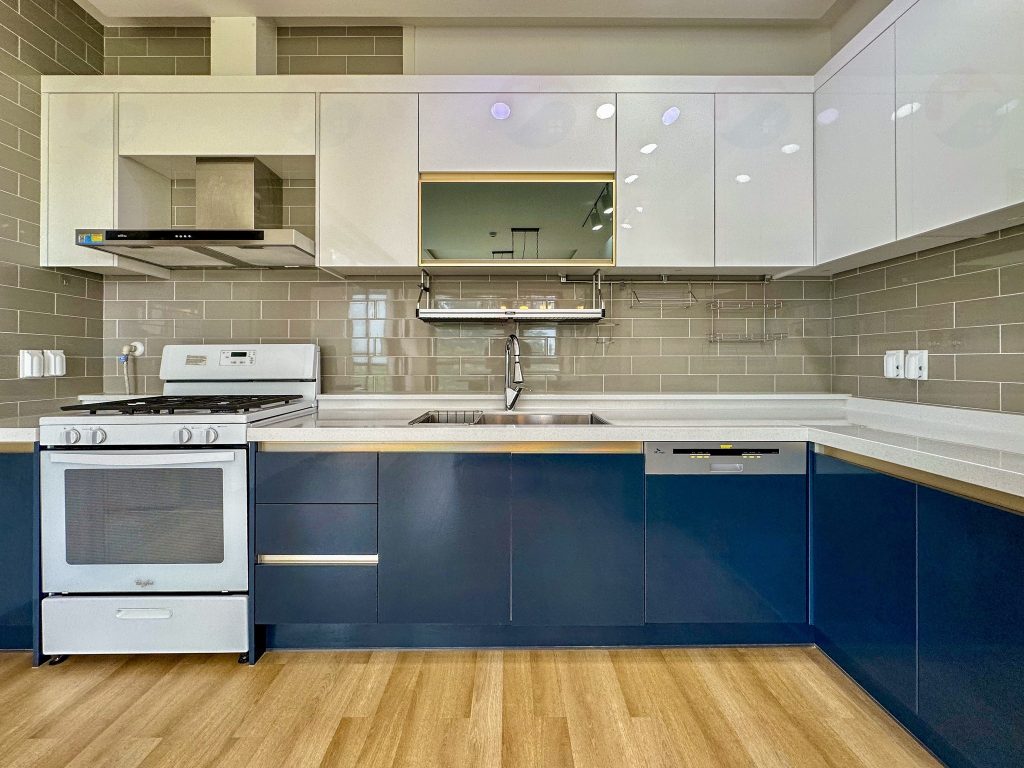
Photo courtesy of Plus Realty.
Understanding the Korean Rental System for Renting Off Installation in Korea
Understanding the rental system is one of the first steps toward renting off installation in Korea with confidence. One of the biggest surprises for newcomers is that Korea’s rental system works differently from what most Americans are used to.
The two most common rental arrangements are jeonse (전세) and wolse (월세).
Jeonse
Jeonse requires a very large security deposit, often hundreds of thousands of dollars, but there is no monthly rent. The landlord earns income by investing the deposit during the lease term before returning it when the lease ends.
Most Korean residents use this system, but military-connected renters rarely do.
Wolse
Most SOFA status renters will use wolse, which combines a security deposit with monthly rent.
Many rentals also include a monthly maintenance fee, known as gwanlibi (관리비). This fee often covers building maintenance, elevators, security, common area cleaning, trash services, and sometimes internet.
Understanding these terms before viewing apartments makes conversations with your realtor much easier and helps you compare properties more confidently.
Work With Your Housing Office Before Renting Off Installation in Korea
One of the biggest mistakes first-time renters make is looking at apartments before completing the required housing process.
Before signing a lease, military members and other eligible SOFA status personnel must work through their installation Housing Office. The Housing Office will explain eligibility requirements, inspect prospective homes, and ensure your lease meets applicable housing regulations.
Starting the process early saves time and helps you avoid the disappointment of finding a home that doesn’t meet Housing Office requirements. Completing these requirements first also allows you to focus your apartment search on homes that are eligible for approval.
A Realtor in Korea Does Much More Than Show Homes
Many newcomers quickly notice one of the biggest differences: the role a Korean military-focused realtor plays after you move in.
Unlike many real estate agents in the United States, many military-focused realtors continue supporting their clients throughout the entire lease. Depending on the agency, your realtor may assist with translating conversations, coordinating maintenance requests, paying utility bills, ordering household items, receiving deliveries, and communicating with your landlord.
For many military families, their realtor becomes one of their most valuable local resources.
Not every agency offers the same level of service, however.
Before choosing a realtor, ask your Housing Office whether it has approved the agency, then meet with several companies before making your decision. Since your realtor will likely become your primary point of contact throughout your lease, finding someone you trust is just as important as finding the right apartment.
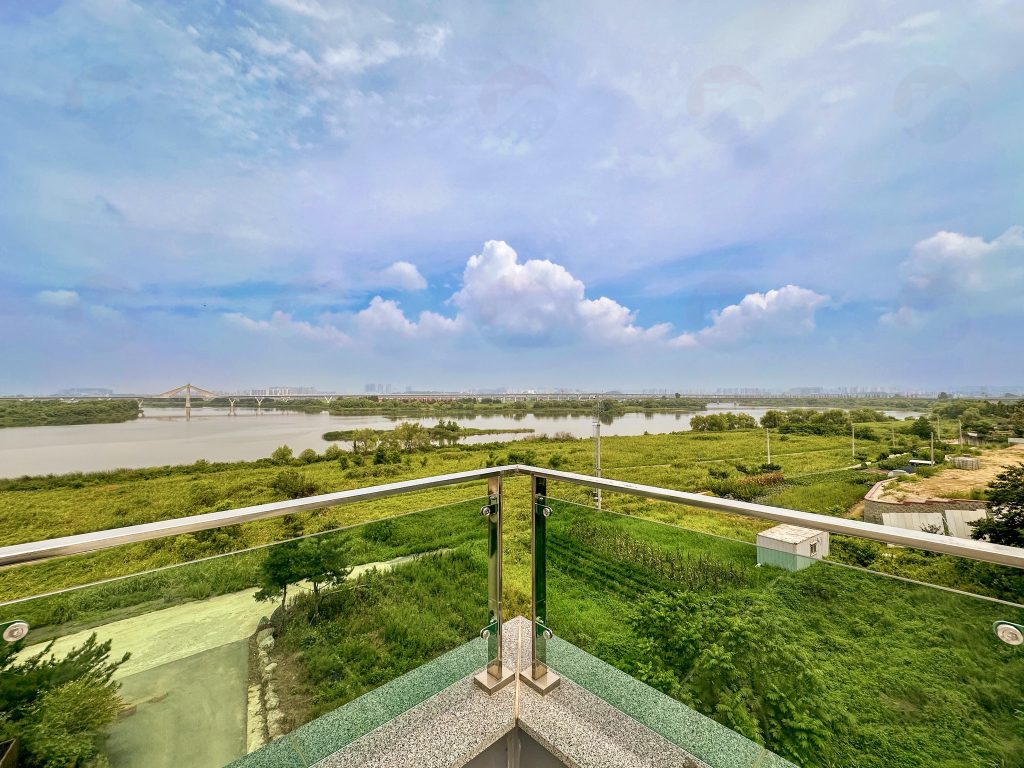
Photo courtesy of Plus Realty.
Choosing the Right Neighborhood
One of the most important parts of renting off installation in Korea is choosing a neighborhood that fits your family’s lifestyle. Therefore, one of the first questions clients ask me is, “What’s the best neighborhood?”
The truth is, there isn’t one right answer. The best neighborhood is the one that fits your lifestyle, commute, and daily needs.
Before I begin showing properties, I encourage clients to think about how they plan to spend their time outside of work. Do you want to walk to cafés and restaurants? Is being close to your installation your top priority? Do you have children who will ride the DoDEA bus or pets that need nearby walking areas? Answering these questions early helps narrow the search and often leads to a home you’ll enjoy long after move-in day.
As you compare neighborhoods, consider more than just the home or apartment itself. More than once, I’ve had a client thank me for asking a question they hadn’t even thought about.
Think About Your Daily Commute
Living ten minutes farther from the installation may not seem like much until you’re driving through rush-hour traffic every morning. I always encourage clients to think about which installation gate they’ll use most often and how traffic patterns can affect their daily commute.
I’ve had families decide against a beautiful apartment after seeing the rush-hour commute for themselves.
Check School Transportation
If you have school-aged children, don’t assume every apartment is served by a DoDEA bus route. Some communities offer designated bus stops, others require students to take a shuttle to the nearest stop, and some neighborhoods don’t have bus service at all. Confirm transportation options before signing a lease so there are no surprises after you move in.
Look Beyond the Property
It’s easy to focus on beautiful kitchens and spacious living rooms, but the surrounding neighborhood is just as important. Spend a few minutes exploring the area. Look for grocery stores, pharmacies, parks, walking paths, cafés, fitness centers, and other places you’ll visit regularly. These conveniences can make everyday life much more enjoyable.
Consider Parking and Community Amenities
If you own a vehicle, ask whether parking is assigned or first-come, first-served. If you expect visitors, find out where guest parking is available.
Community amenities can also vary widely. Some apartment complexes offer gyms, playgrounds, walking trails, pools, or community centers, while others have very few shared facilities. Ask what is available and whether additional fees apply.
If You Have Pets
For pet owners, choosing the right neighborhood often means looking beyond the apartment itself. Ask about the property’s pet policy, nearby walking areas, and whether green spaces are available. Even if a property allows pets, having convenient places to exercise them can make a big difference in your daily routine.
My Advice as a Realtor
One mistake I see newcomers make is falling in love with a single online listing before they’ve explored the surrounding area. Apartments come and go quickly in Korea, but finding a neighborhood that fits your lifestyle is what makes a house truly feel like home.
Instead of focusing on one specific apartment, I encourage clients to create a list of their must-have features and preferred neighborhoods. Once we know what matters most, it’s much easier to find a property that checks those boxes when it becomes available.
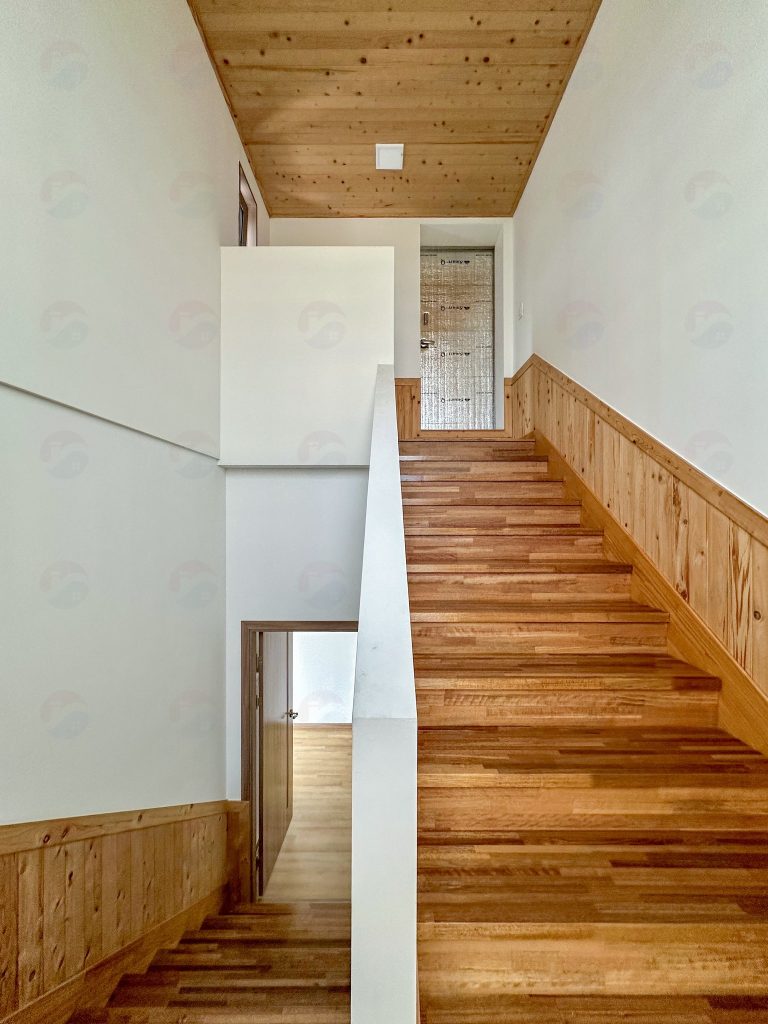
Photo courtesy of Plus Realty.
Questions to Ask Before You Sign
Finding the right apartment isn’t just about choosing a floor plan you like. Before renting off installation in Korea, take time to ask questions about the property, lease, and neighborhood. These conversations can help you avoid surprises later and give you confidence that you’ve found the right home.
Start With the Basics
These are the first questions I encourage clients to ask before they spend too much time looking at a property.
- Is the apartment, landlord, community, and rental agency approved by your Housing Office? Some landlords, agencies, or even entire communities may be restricted for USFK-affiliated renters.
- What is the monthly rent and required security deposit?
- Under what conditions is the security deposit returned?
- Will rent and utility payments be made through the real estate office or directly to the landlord?
- Which installation gate is closest, and what are its weekday and weekend operating hours?
- Is the property located on a DoDEA school bus route? If not, is there a shuttle service, or will parents need to provide transportation?
- What is the property’s pet policy?
Understand the Lease
Before signing, make sure you understand exactly what you’re agreeing to.
- How long is the lease, and what is the renewal process?
- Does the lease include an early termination clause for either the tenant or landlord?
- Is the home furnished? If so, will there be a written inventory and condition report?
- Does the landlord have to provide notice before entering the property?
Understand Your Monthly Costs
Rent is only one part of your monthly housing expenses.
Ask questions such as:
- Who pays the maintenance fees, and what do they include?
- Are there additional fees for amenities such as the gym, elevator, parking, or key cards?
- Which utilities are the tenant’s responsibility?
- Does the property use city gas or LPG? LPG can be more expensive, so it’s worth knowing before you sign.
- Are solar panels installed to help reduce utility costs?
- Is internet service included?
- If the unit has a water purifier, who is responsible for the maintenance costs?
Learn About the Property
Take time to understand how the apartment functions day to day.
- What are the trash and recycling procedures, including food waste collection?
- Is there an elevator?
- Are there community amenities such as a gym, park, playground, or pool? Are there any additional fees to use them?
- Were the photos used to advertise the property taken recently? Some listings continue using photos that are several years old, which may no longer reflect the current condition of the property or community.
- Is there assigned parking, or is it first-come, first-served? Where can guests park?
- Is there enough storage space for your needs?
- Does every room have its own air conditioning unit? Unlike many homes in the United States, central air conditioning is uncommon in Korea.
- How often are the air conditioning units cleaned and serviced, and who is responsible for that maintenance?
- Does the unit include a dehumidifier, or is that function built into the air conditioner?
- If the property has a yard, who is responsible for lawn maintenance, and how often is it completed?
- What are the building’s quiet hours?
Ask About Maintenance and Repairs
Understanding how maintenance issues are handled can save a lot of frustration later.
- Who is responsible for repairs?
- Are repairs completed by qualified professionals?
- How quickly are maintenance requests typically addressed?
- If a repair cannot be completed within a reasonable time, what options are available to the tenant?
Ask About Mold
Because Korea has a humid climate, mold can occasionally become an issue, especially in older buildings or bathrooms with limited ventilation.
Before signing your lease, ask:
- Has the property experienced mold issues in the past?
- How are mold problems typically handled?
- Who is responsible for mold remediation?
- Will the lease clearly state how quickly mold issues must be addressed and who pays for treatment?
Having these expectations written into the lease can help prevent misunderstandings later.
Plan for the Unexpected
While most rentals go smoothly, it’s worth discussing unlikely situations before signing your lease.
For example:
- If the property becomes uninhabitable due to maintenance issues, who pays for temporary housing or moving expenses?
- If the landlord experiences financial problems that affect the property, what protections are in place for tenants?
- If you are required to move unexpectedly through no fault of your own, who is responsible for relocation costs?
Although situations like these are uncommon, I’ve seen them happen over the years. Having a conversation before signing the lease can help everyone understand their responsibilities if the unexpected occurs.
I’ve found that the clients who ask the most questions before signing a lease are usually the ones who have the smoothest renting experience. Taking a little extra time upfront can help you avoid misunderstandings and enjoy your new home with confidence.
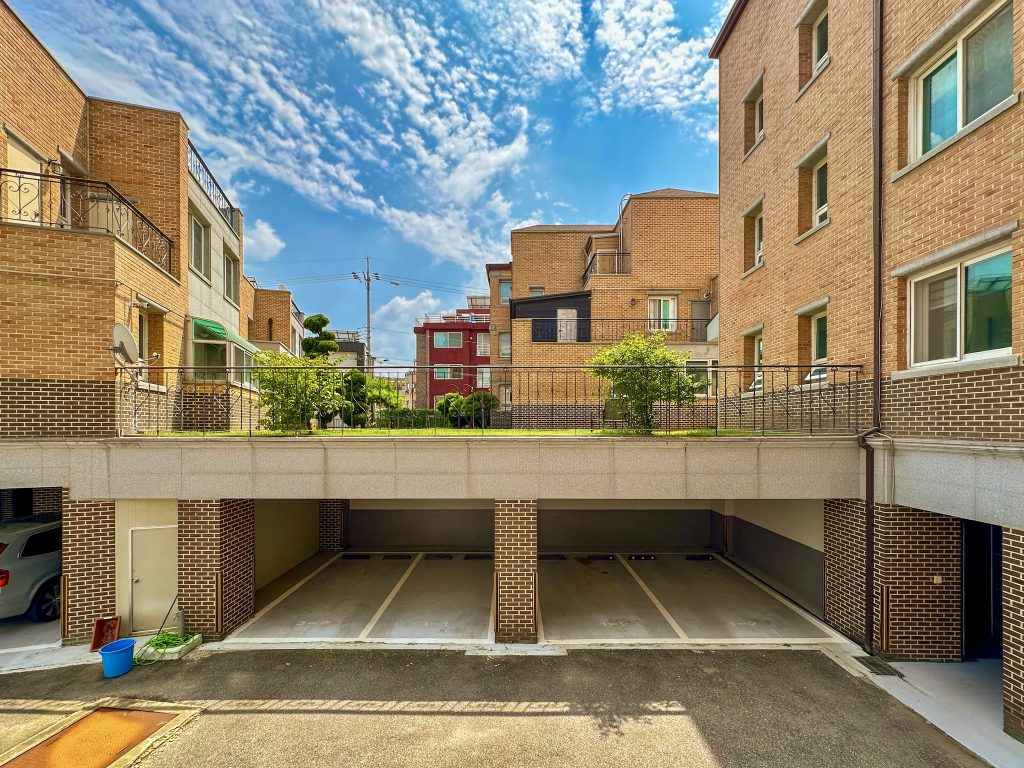
Photo courtesy of Plus Realty.
Common Mistakes When Renting Off Installation in Korea
After helping military members and their families find homes for many years, I’ve noticed a few common mistakes that can make the rental process more stressful than it needs to be. Fortunately, most of them are easy to avoid with a little preparation.
Starting Your Search for Renting Off Installation in Korea Too Early
One of the biggest surprises for newcomers is how quickly the rental market moves in Korea.
It’s common for people to begin searching online months before they’re ready to move, only to become attached to apartments that are no longer available. In many cases, a desirable property may only stay on the market for a few days.
Instead of focusing on specific listings too early, spend your time learning about neighborhoods and deciding which features matter most. Once your move-in date gets closer, your realtor can help you find properties that are actually available.
Falling in Love With Photos Instead of the Neighborhood
Beautiful listing photos don’t always tell the whole story.
An apartment may look perfect online, but it’s equally important to consider the surrounding area. Think about your daily commute, nearby grocery stores, restaurants, walking areas, schools, and the installation gate you’ll use most often.
I’ve had clients discover they loved a neighborhood they hadn’t originally considered simply because it fit their lifestyle better than the apartment they first wanted.
Choosing a Realtor Too Quickly
Many people think they’re simply choosing someone to unlock doors and show properties.
In reality, you’re choosing someone who may help you throughout your entire lease.
Your realtor may assist with communicating with your landlord, coordinating repairs, explaining bills, translating conversations, and helping solve unexpected problems. Finding someone you trust is just as important as finding the right apartment.
Not Asking Enough Questions
Sometimes clients worry that asking too many questions might make the process more difficult.
In my experience, the opposite is true.
The more questions you ask before signing a lease, the fewer surprises you’ll encounter after moving in. Whether it’s understanding maintenance fees, pet policies, parking, mold procedures, or repair responsibilities, it’s always better to have those conversations before the lease is signed.
Forgetting to Document the Apartment
Before moving in, take photos and videos of every room, appliance, wall, floor, and fixture.
Hopefully you’ll never need them, but having documentation of the apartment’s condition can help prevent disagreements about existing damage when it’s time to move out.
I always encourage my clients to take more photos than they think they’ll need.
Assuming Renting Works the Same as Back Home
One of the best pieces of advice I can offer is to keep an open mind.
Renting in Korea is different from renting in the United States, and that’s not necessarily a bad thing. From maintenance fees and recycling rules to lease structures and apartment features, there are plenty of differences to learn.
Approaching the experience with curiosity instead of comparison often makes the transition much easier and allows you to enjoy everything that comes with living in a Korean community.
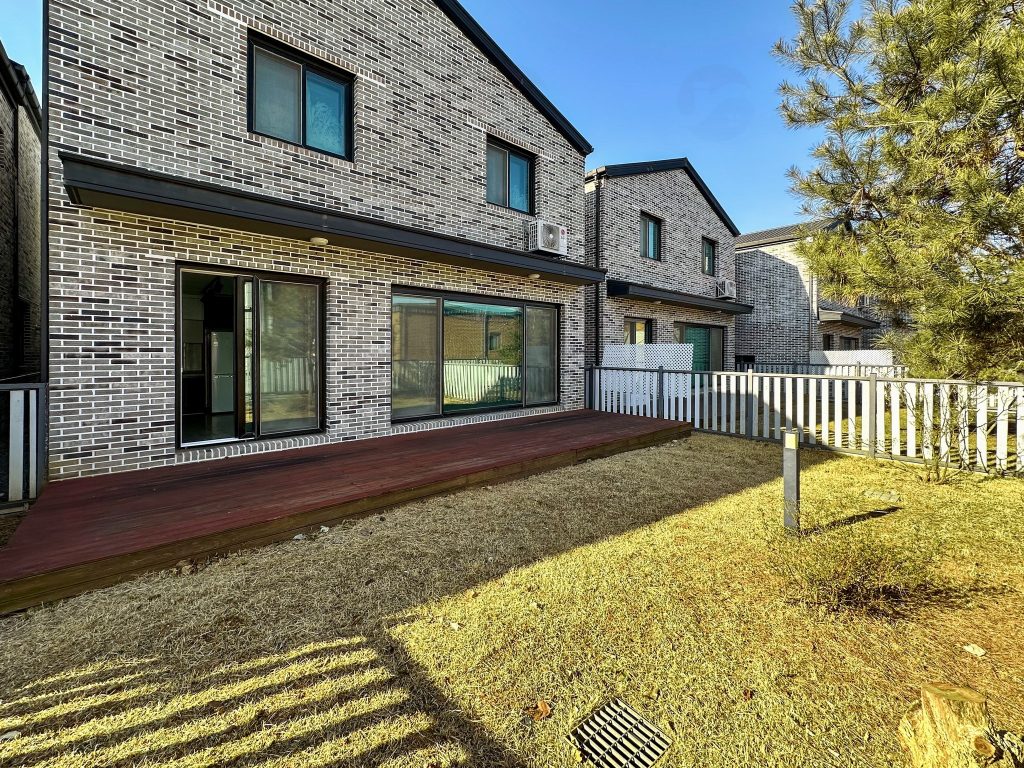
Photo courtesy of Plus Realty.
Final Tips for Renting Off Installation in Korea
Find the Right Home for Your Lifestyle
Every family has different priorities. Some want the shortest commute possible, while others are looking for parks, cafés, or space for their children or pets. There isn’t one perfect apartment for everyone.
The goal isn’t to find the “best” apartment. It’s to find the one that fits your lifestyle, your budget, and your time in Korea.
With the right preparation and support, renting off installation in Korea can become one of the most rewarding parts of your assignment.
Build a Strong Foundation for Success
Renting off installation in Korea may feel different from what you’re used to, but it doesn’t have to be intimidating. Every year, thousands of military-connected families successfully make the transition and find that living in a Korean community becomes a meaningful part of their time in Korea.
The best advice I can offer is to take your time, ask questions, and don’t be afraid to lean on the people who are there to help you. Your Housing Office, your realtor, and others who have already gone through the process can be valuable resources throughout your housing journey.
Protect Yourself Before Move-In
Before moving into your new home, take photos and videos of every room, appliance, and any existing damage. Having a detailed record of the property’s condition can help prevent misunderstandings when it’s time to move out and makes resolving any questions much easier.
Remember that your realtor is more than someone who helps you find an apartment. A good realtor will continue to support you throughout your lease by helping you communicate with your landlord, navigate maintenance issues, and answer questions that come up while you’re settling into life in Korea. Choosing someone you trust can make a significant difference in your overall experience.
Make the Most of Your Time in Korea
Most importantly, keep an open mind.
Living off installation is about more than finding a place to live. It’s an opportunity to experience Korea beyond the installation gates. Some of the best memories my clients share with me aren’t about their apartments. They’re about discovering a favorite neighborhood café, getting to know local business owners, finding a new walking trail with their family, or becoming part of a community they never expected to call home.
With the right preparation, a trusted support team, and a willingness to embrace the experience, you’ll be well on your way to making Korea feel like home.
A successful rental experience isn’t just about finding the right apartment. It’s about finding the right community, asking the right questions, and making the most of your time in Korea.
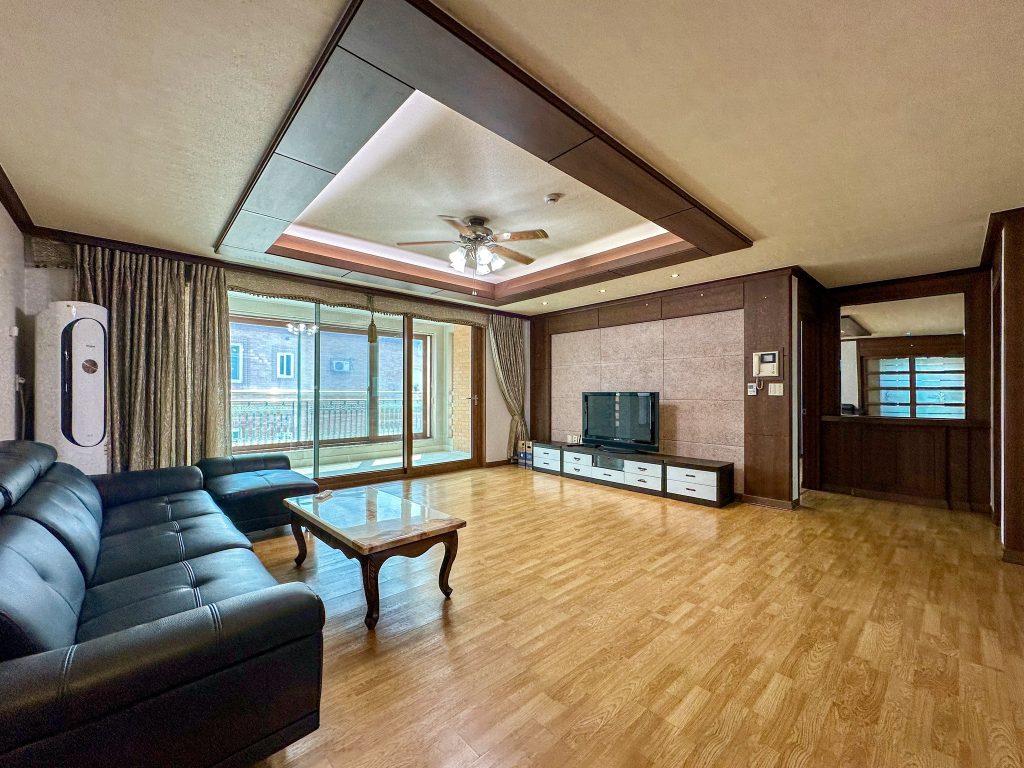
Photo courtesy of Plus Realty.
Continue Your Korea Housing Journey
Renting off installation in Korea is a learning experience, but you don’t have to figure it all out on your own. Whether you’re preparing for your first PCS or simply researching your housing options, South of Seoul offers additional guides that can help you better understand the rental process and life in Korea.
If you’re just beginning your move, start with our Guide for Military-Connected Families Living in Korea. It provides helpful information for settling into your new community and adjusting to life in South Korea.
When you’re ready to narrow down your housing search, our guide on How to Choose the Right Home in Korea explores the factors to consider when comparing neighborhoods, apartment styles, and locations that best fit your lifestyle.
Before signing a lease, be sure to review Renting a Home in Pyeongtaek: A Guide for U.S. Military. This resource explains the Housing Office approval process, inspections, required paperwork, and other important steps every military-connected renter should understand.
If you’re still learning how housing works in Korea, Understanding Korean Rental Systems Near U.S. Military Bases breaks down the differences between jeonse, wolse, maintenance fees, and other common rental terms you’ll encounter during your search.
Finally, our Overview of Renting in Pyeongtaek provides a broader look at the local rental market and what military-connected families can expect when looking for housing near Camp Humphreys.
Together, these resources provide a strong foundation for understanding the Korean rental process and preparing for a successful move.
Even after reading these guides, you may still have questions. Below are answers to some of the questions I hear most often from military-connected families preparing to rent off installation in Korea.
Frequently Asked Questions About Renting Off Installation in Korea
Can I rent a home off installation as soon as I arrive in Korea?
Not quite. Before signing a lease, you’ll need to complete your installation’s Housing Office requirements. The Housing Office will explain the approval process, inspect the property, and ensure the lease meets applicable housing regulations.
Is renting in Korea different from renting in the United States?
Yes. Korea uses a different rental system, and you’ll encounter terms like jeonse, wolse, and gwanlibi (maintenance fees). Lease agreements, utility arrangements, and the role of a realtor can also be quite different from what many Americans are used to.
What is the difference between jeonse and wolse?
Jeonse is a lease that requires a very large refundable deposit with little or no monthly rent. Wolse combines a security deposit with monthly rent and is the option most commonly used by SOFA-status military renters.
Do I need a realtor to rent off installation?
While it’s possible to search for housing on your own, most military families work with a realtor who is familiar with SOFA requirements and the local housing market. Many military-focused realtors also continue assisting clients after move-in by helping communicate with landlords, coordinate repairs, and answer questions throughout the lease.
How far in advance should I start looking for an apartment?
It’s helpful to begin researching neighborhoods before you arrive, but avoid becoming attached to specific listings too early. Apartments can move quickly in Korea, and many listings are only available for a short time.
Are maintenance fees included in the rent?
Not always. Many apartments charge a separate monthly maintenance fee, called gwanlibi, which may cover building maintenance, security, elevators, common areas, trash collection, and sometimes internet. Always ask what is included before signing your lease.
Are pets allowed in Korean apartments?
Many apartments allow pets, but policies vary by landlord and apartment complex. If you have pets, ask about breed or size restrictions, nearby walking areas, and any additional fees before signing your lease.
What should I inspect before moving into a rental?
Take photos and videos of every room, appliance, wall, floor, and fixture before moving in. Documenting the property’s condition can help prevent misunderstandings when it’s time to move out.
What should I look for when choosing a neighborhood?
Think beyond the apartment itself. Consider your commute, nearby grocery stores, restaurants, parks, schools, parking, and community amenities. The right neighborhood can have just as much impact on your experience as the home you choose.
What is the best advice for first-time renters in Korea?
Take your time, ask plenty of questions, and work with people you trust. Understanding the process before signing a lease and choosing a knowledgeable realtor can make your transition into life in Korea much smoother.


