ContentsView article sections
Thinking about leaving Seoul, Pyeongtaek, or another major city for a quieter life in South Korea? Gangwon-do may have a much larger international community than you expect. We moved here with no expectations and met far more international residents living here than we could have expected. Started doing more research, and this is what we found.
Our Personal Lens on This Question, “Is Gangwon-do a Good place to live?”
Yes. Full Stop.
Gangwon-do is our absolute favorite place to live, and we love it. We could talk all day about how much we love it. However, the fact that we love it doesn’t provide others with the information they need to make a healthy choice for themselves. So will be dropping a few articles that cover information you might need to make a choice for yourself.
Remember: The international community around you doesn’t always mean an improved quality of life. It’s simply data. We have to write our titles for SEO for questions that people search, and it can sometimes create a false comparison or relationship. We want to be clear about this as we start the conversation.
General Assumptions About Living in Korea
When people talk about living in South Korea as foreigners, the conversation often focuses on Seoul, Gyeonggi-do, Busan, and other large cities. These areas have established international communities, transportation infrastructure, international businesses, and services designed for foreign residents. The thing is, so many more amazing places exist beyond the cities for international people to live wonderful, enriched lives.
Times are Changing in Korea, but the Internet Has not Caught Up
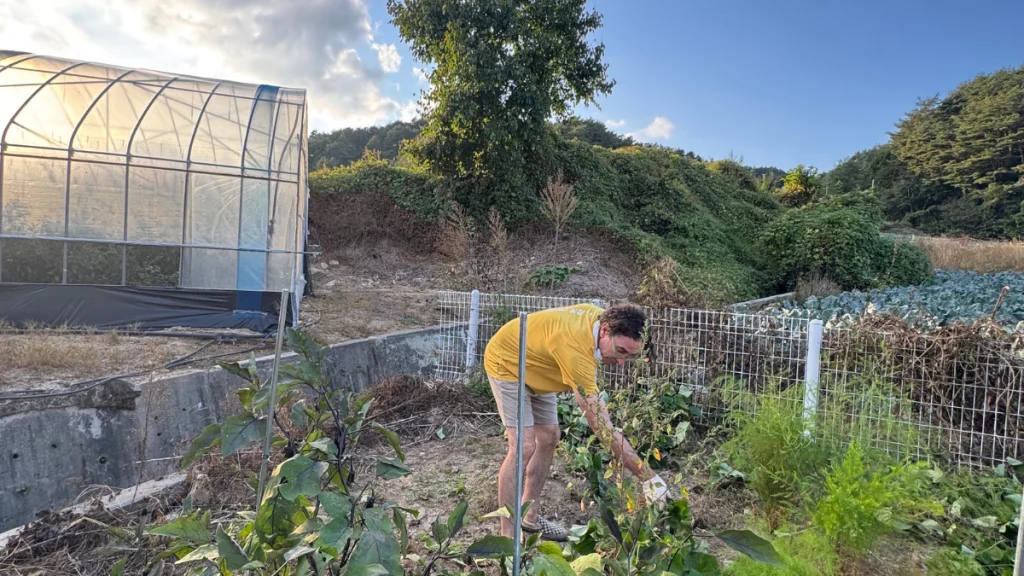
South Korea’s international population is changing, and some of the most interesting growth is happening outside its major metropolitan areas. Folks online have not paid a lot of attention to the data and continue to talk like those of us who live in the countryside are choosing to live on Mars.
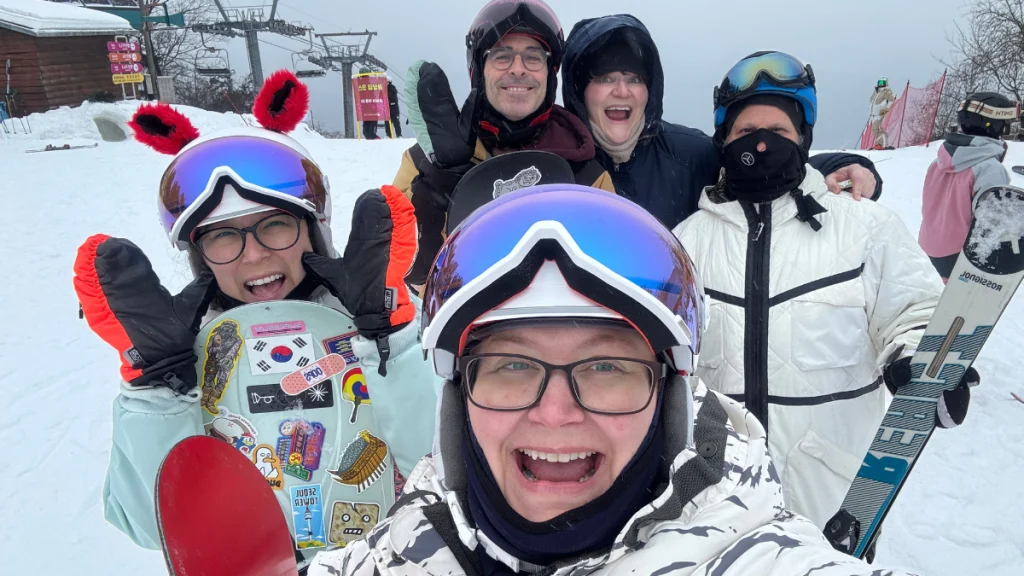
We happen to live in Gangwon-do (강원특별자치도), which is one of the fastest-growing regions in South Korea for international residents. When we moved here, we did not know that. Instead, we chose Gangwon-do because we lived here back in the day and LOVED it, we snowboard and paddleboard, and many of our friends live here. Once we moved, we looked around our town and thought, holy smokes, there are a lot of international residents here. Let’s do more research.
Gangwon-do International Resident Population
According to the Ministry of the Interior and Safety’s latest foreign-resident statistics, Gangwon had 54,675 international residents in November 2025, representing approximately 3.6% of the province’s population. That is an increase of 4,023 people in just one year. (As of 2026, the population of international residents in South Korea reached 2.66 million, or 5.1% of the Total Population. Adding this for context)
International-resident populations: Rural Gangwon versus major Korean cities
Even more interesting, some of Gangwon’s smaller rural counties have a higher proportion (this means percetage of population and not number of individuals) of international residents than major Korean cities. According to the Ministry of the Interior and Safety’s 2025 foreign-resident statistics, international residents represent 10.0% of Goseong-gun’s population, compared with 8.1% in Hwaseong and Pyeongtaek. Hoengseong-gun follows at 7.3%, while Yanggu-gun has reached 6.0%. Meanwhile, Gangwon’s largest cities, Wonju and Chuncheon, have international-resident populations of just 2.7% and 3.1%, respectively.
For anyone considering moving to Gangwon for its mountains, outdoor activities, smaller communities, and quieter lifestyle, these population figures offer a useful starting point for understanding what life here might look like. However, a higher percentage of international residents does not necessarily mean more English-language services or an established international social community.
Sources: MOIS 2025 Foreign-Resident Statistics | KOSIS Population by Administrative District
| City or county | International residents | Share of local population | Source |
|---|---|---|---|
| Goseong-gun, Gangwon | 2,771 | 10.0% | Data |
| Hwaseong-si, Gyeonggi | 83,657 | 8.1% | City data |
| Pyeongtaek-si, Gyeonggi | 50,607 | 8.1% | Data |
| Hoengseong-gun, Gangwon | 3,328 | 7.3% | Data |
| Yanggu-gun, Gangwon | 1,222 | 6.0% | Data |
| Cheorwon-gun, Gangwon | 2,227 | 5.6% | Data |
| Hongcheon-gun, Gangwon | 3,331 | 5.1% | Data |
| Pyeongchang-gun, Gangwon | 1,927 | 5.0% | Data |
| Chuncheon-si, Gangwon | 9,131 | 3.1% | Data |
| Gangneung-si, Gangwon | 6,582 | 3.1% | Data |
| Wonju-si, Gangwon | 9,973 | 2.7% | Data |
How Many Foreigners Live in Gangwon-do?
Gangwon’s international population has been increasing consistently in recent years.
| Year | International residents | Annual growth |
|---|---|---|
| 2023 | 46,856 | — |
| 2024 | 50,652 | 8.1% |
| 2025 | 54,675 | 7.9% |
Between 2023 and 2025, Gangwon’s international resident population increased by approximately 16.7%, adding 7,819 people over two years. This is particularly interesting because Gangwon’s overall population is not growing. Between the 2024 and 2025 surveys, the province lost approximately 3,943 residents overall, while its international-resident population increased by 4,023.
In other words, international residents are becoming a more important part of Gangwon’s demographic makeup, even as the province faces broader population decline. These statistics do not mean all newcomers are permanent settlers. The population includes international students, foreign workers, marriage migrants, naturalized residents, children of foreign residents, and others. Nevertheless, the numbers show that Gangwon’s communities are becoming increasingly international.
Source: Ministry of the Interior and Safety — Local Government Foreign Resident Statistics
How Does Gangwon Compare With Other Korean Provinces?
Gangwon has fewer international residents than provinces such as Gyeonggi-do and Chungcheongnam-do. However, population size tells only part of the story. For people researching relocation, we believe three measurements are particularly useful:
- Total international residents: How large is the population?
- Percentage of the local population: How common is international residency?
- Annual growth: How quickly is the international community changing?
The following table compares Gangwon with a selection of Korean provinces and Seoul using the same national statistical survey.
International Resident Population by Province, 2025
| Region | International residents | Share of population | Annual growth |
|---|---|---|---|
| Gyeonggi-do | 859,943 | 6.2% | +1.8% |
| Seoul | 453,201 | 4.9% | +0.5% |
| Chungcheongnam-do | 178,229 | 7.9% | +5.3% |
| Gyeongsangnam-do | 170,267 | 5.2% | +4.6% |
| Gyeongsangbuk-do | 139,007 | 5.4% | +8.0% |
| Jeollanam-do | 103,281 | 5.8% | +7.8% |
| Chungcheongbuk-do | 102,553 | 6.2% | +5.4% |
| Gangwon-do | 54,675 | 3.6% | +7.9% |
| Jeju-do | 38,805 | 5.8% | +0.2% |
| South Korea overall | 2,662,967 | 5.1% | +3.1% |
Annual growth percentages are calculated from the 2024 and 2025 counts and rounded. Population shares are from the 2025 government survey.
Gangwon Has the Second-Fastest International Population Growth in Korea
Among South Korea’s 17 provinces and metropolitan-level jurisdictions, Gangwon ranked second for annual international-resident population growth in the latest survey. Only Gyeongsangbuk-do grew slightly faster, at 8.0%. This means Gangwon’s international-resident population is growing approximately 2.6 times as fast as the national average, based on the most recent annual rates.
Of course, a smaller starting population makes a high percentage increase easier to achieve. Gyeonggi-do still added considerably more international residents in absolute numbers. Nevertheless, Gangwon’s continued growth is noteworthy for a province more commonly associated with population decline, rural communities, mountains, and outdoor tourism.

Which Cities and Counties in Gangwon Have the Most International Residents?
One of the most surprising findings is that Gangwon’s biggest cities do not necessarily have the highest concentration of international residents. Wonju, Chuncheon, and Gangneung have the largest international communities by total population. However, several smaller counties have much higher percentages of international residents.
International Residents Across Gangwon-do
| City or county | International residents | Percentage of local population |
|---|---|---|
| Goseong-gun (고성군) | 2,771 | 10.0% |
| Hoengseong-gun (횡성군) | 3,328 | 7.3% |
| Yanggu-gun (양구군) | 1,222 | 6.0% |
| Cheorwon-gun (철원군) | 2,227 | 5.6% |
| Inje-gun (인제군) | 1,671 | 5.5% |
| Hongcheon-gun (홍천군) | 3,331 | 5.1% |
| Pyeongchang-gun (평창군) | 1,927 | 5.0% |
| Jeongseon-gun (정선군) | 1,361 | 4.2% |
| Hwacheon-gun (화천군) | 910 | 4.2% |
| Sokcho-si (속초시) | 2,964 | 3.8% |
| Yeongwol-gun (영월군) | 1,282 | 3.6% |
| Samcheok-si (삼척시) | 2,165 | 3.5% |
| Yangyang-gun (양양군) | 900 | 3.4% |
| Chuncheon-si (춘천시) | 9,131 | 3.1% |
| Gangneung-si (강릉시) | 6,582 | 3.1% |
| Taebaek-si (태백시) | 1,021 | 2.8% |
| Wonju-si (원주시) | 9,973 | 2.7% |
| Donghae-si (동해시) | 1,909 | 2.3% |
Source: 2025 Ministry of the Interior and Safety foreign-resident survey. Percentages rounded to one decimal place.
The numbers challenge the assumption that international communities exist primarily in large cities. For example, Wonju has almost 10,000 international residents, but they account for only 2.7% of the city’s population. Meanwhile, Hoengseong has just over 3,300 international residents, yet they represent 7.3% of its much smaller population. A person living in a rural county may therefore have more international residents nearby, proportionally speaking, than someone living in one of Gangwon’s larger cities.
However, the type of international population matters just as much as the number of residents.
Why Are More International Residents Living in Rural Gangwon?
International migration to rural Korea is not a single trend. Different communities attract different populations for different reasons.
1. Agriculture and Seasonal Employment
Agriculture plays an important role in many Gangwon communities, including Hoengseong, Hongcheon, Pyeongchang, and several other rural counties. Farms increasingly employ foreign workers, including seasonal workers who enter Korea for limited periods. For 2026, Gangwon was initially allocated more than 11,000 foreign seasonal-worker positions. Hongcheon and Hoengseong accounted for substantial portions of that allocation. Since we live in a farming area, we have many Thai and Vietnamese neighbors.
However, seasonal employment creates an important distinction between international workers temporarily living in an area and international residents establishing long-term homes. A county with many seasonal workers may have a substantial international population during planting or harvesting periods without having a large permanent international social community.
Foreign residents considering a move should keep this difference in mind.
2. International Students
Gangwon also attracts international students through its universities and educational institutions. Chuncheon, Wonju, and Gangneung are important educational centers, but smaller communities can also have significant student populations.
Goseong is particularly interesting. In 2025, the county had 2,771 international residents, approximately 10% of its total population. More than 1,300 were international students. That means a substantial portion of the county’s international population is connected to education rather than permanent employment or retirement.
For someone considering moving to Goseong, this information is useful because a large international-student population does not necessarily translate into an established community of long-term foreign homeowners or families. That said, Goseong is GORGEOUS, so it’s totally worth living there in our opinion.
3. International Families and Long-Term Residents
Gangwon’s international population also includes people who have married Korean citizens, naturalized residents, their children, and foreign nationals living in Korea for other reasons. In the 2025 survey, Gangwon counted 5,433 naturalized residents and 8,851 children of foreign residents. Together, these groups represented approximately 26% of the province’s international-resident population.
This is an important reminder that international communities are not limited to foreign passport holders. Some international families have lived in Korea for decades. Others include children born and educated in Korea who are Korean citizens but have an international family background. These households are part of the long-term social fabric of Gangwon’s communities.
How Does Rural Gangwon Compare With Hwaseong and Pyeongtaek?
Many international residents, including us, are already familiar with Hwaseong and Pyeongtaek in Gyeonggi-do. These communities have large international populations connected to manufacturing, international families, the U.S. military, and other industries. The 2025 statistics show:
| Location | International residents | Local population share |
|---|---|---|
| Hwaseong | 83,657 | 8.1% |
| Pyeongtaek | 50,607 | 8.1% |
| Goseong, Gangwon | 2,771 | 10.0% |
| Hoengseong, Gangwon | 3,328 | 7.3% |
| Yanggu, Gangwon | 1,222 | 6.0% |
While Hwaseong and Pyeongtaek have much larger international communities overall, Goseong has a higher percentage of international residents, and Hoengseong is approaching their population shares. This does not mean Goseong or Hoengseong offers the same international infrastructure. The difference between having international residents and having services designed for international residents can be substantial.
In Pyeongtaek, for example, international residents may find businesses, community organizations, and services shaped by decades of international activity due to the U.S. military bases in the area. In rural Gangwon, international residents may be more dispersed and have different needs depending on why they moved to the area.
Where Should International Residents Consider Living in Gangwon?
Gangwon offers a wide range of lifestyles, from relatively large cities to farming communities and isolated mountain villages. For international residents considering a move, we recommend choosing a community based on everyday needs rather than simply selecting the place with the highest international-resident percentage.
Wonju: A Practical Starting Point for City Conveniences
Wonju is Gangwon’s largest city and has the province’s largest international-resident population, jobs, and KTX connection to Seoul. It may appeal to people who want access to hospitals, shopping, schools, transportation, and other urban conveniences without living in the Seoul metropolitan area. Wonju can also serve as a base for exploring nearby rural communities.
Worth considering for: Families, professionals, people who need frequent medical appointments, and residents who want city services alongside access to the mountains.
Potential challenges: The city is spread out, so transportation needs vary significantly by neighborhood. Immigration-related services may also require extra planning.
Chuncheon: University Life and Access to Seoul
Chuncheon is Gangwon’s provincial capital and an important university city. Its international population includes students, workers, families, and other residents. Chuncheon is particularly worth investigating for people who want to remain connected to Seoul while living outside the capital region.
Worth considering for: Students, educators, international families, and people who expect to travel to Seoul regularly.
Potential challenges: Housing location matters, especially if relying on public transportation. Access to universities or government offices does not guarantee easy access to services from every residential neighborhood.
Gangneung: Coastal City Living
Gangneung offers a different kind of Gangwon lifestyle. Instead of mountain villages or inland agricultural communities, residents can enjoy a coastal city with beaches, restaurants, universities, and regional transportation connections. Gangneung’s international population is smaller than Wonju’s or Chuncheon’s but still includes thousands of residents. Personally, I would live here if I didn’t already have an amazing community in the mountains. We spend a lot of time here.
Worth considering for: People interested in coastal living, families, educators, and residents who enjoy outdoor recreation.
Potential challenges: Tourism can affect traffic, housing availability, and neighborhood activity. Some coastal neighborhoods may be more seasonal than others.
Hoengseong: Rural Living Near Wonju
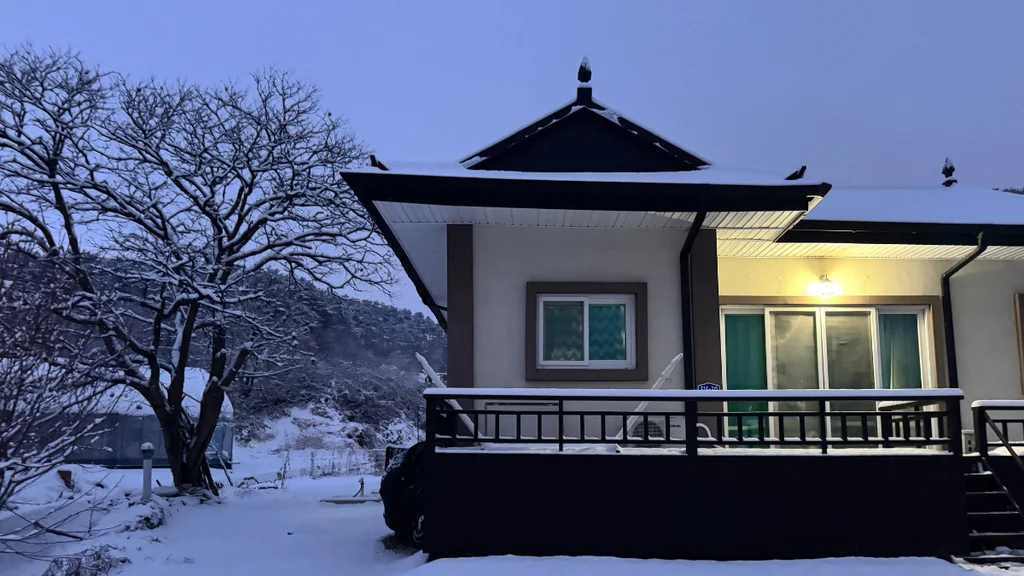
Hoengseong is especially interesting for international residents considering countryside living. We live in this area and love it. With an international-resident population of 7.3%, Hoengseong has one of Gangwon’s highest population shares. It also offers a range of living environments, from the county’s central town to smaller villages, agricultural communities, and mountain areas.
Dunnae (둔내면), for example, is one of Hoengseong’s rural townships. Its proximity to other regional communities and transportation routes makes it worth exploring for people who want rural living while maintaining connections to larger cities. The KTX station in town means rural living with easy Seoul access.
Worth considering for: People who want a house with outdoor space, rural lifestyles, small communities, and access to Wonju.
Potential challenges: A car may be essential, depending on location. Heating systems, housing maintenance, internet availability, and access to healthcare deserve careful investigation before signing a lease.
Hongcheon: Countryside Communities and Agricultural Areas
Hongcheon is another rural county experiencing substantial international-population growth. Its population is spread across a large geographical area, so living conditions can differ significantly from one township to another. Some communities are more closely connected to larger urban centers, while others are much more remote.
Worth considering for: People who enjoy countryside living, outdoor recreation, agriculture, and smaller communities.
Potential challenges: The distance between services may be greater than expected. Public transportation and housing conditions should be investigated at the village level.
Pyeongchang: Mountains, Recreation, and Rural Communities
Pyeongchang has experienced especially rapid growth in its international resident population. The county includes well-known mountain and recreational destinations, but it also contains agricultural communities and quieter residential areas.
Worth considering for: People who enjoy mountain environments, winter sports, rural living, and outdoor recreation.
Potential challenges: Winters can be demanding. Heating expenses, snow removal, commuting, and seasonal employment patterns are important considerations.
Sokcho, Yangyang, and Goseong: Exploring the Northeastern Coast
Gangwon’s northeastern coastal communities offer a combination of beaches, mountains, tourism, fishing, educational institutions, and smaller residential areas. Sokcho provides a more urban environment, while parts of Yangyang and Goseong offer quieter communities. Goseong’s unusually high international-resident percentage is interesting, but much of its international population is connected to education. Personally, I lived here long before it had an international population worth counting (there were 15 of us on a good day) and loved every single minute of it.
Worth considering for: People seeking coastal living, outdoor recreation, or a smaller-community lifestyle.
Potential challenges: Service availability differs considerably by location, and a high international population share does not guarantee a large English-speaking community.
What Is Everyday Life Like for International Residents in Rural Gangwon?
Population figures can help identify where international residents live, but they cannot tell you whether a community will be the right fit. We encourage prospective residents to research several practical issues before relocating.
1. Transportation May Be Your Biggest Lifestyle Decision
One of the most important differences between rural Gangwon and larger Korean cities is transportation. Some neighborhoods have convenient train or bus connections. Other communities may have very limited public transportation. For residents living in rural villages, owning a car can make everyday life considerably easier. Before moving, consider how you will travel to work, buy groceries, visit medical facilities, and reach government offices.
2. Housing Is Different Outside the Cities
Rural Gangwon offers housing possibilities that may be difficult to find in large urban areas. These can include detached houses, homes with yards, older village houses, and properties surrounded by agricultural land. However, rural housing also requires more investigation. Check the heating system, insulation, water supply, drainage, winter access, and internet availability. Some houses use LPG or heating oil rather than city gas. Heating costs may be significantly different from those of an urban apartment. A property that looks affordable during the summer can become expensive to operate in winter.
3. Healthcare Access Depends on Your Location
Gangwon has hospitals and clinics throughout its cities, but access to specialized treatment may require traveling to a larger community. Residents should check whether their prospective town has the medical services they regularly need. This is especially important for people with chronic health conditions, children, or family members requiring ongoing specialist care. Language assistance may also vary by institution.
4. Korean Language Skills Can Make a Significant Difference
International residents in rural Gangwon may have fewer opportunities to complete everyday tasks in English than residents of Seoul or established international communities. Government websites, local announcements, housing contracts, medical information, and community communications may primarily be available in Korean.
However, language barriers do not necessarily mean services are unavailable. Sometimes the Korean-language version of a government website provides more complete information or functionality than its English-language counterpart. Learning how to navigate Korean-language websites and local administrative offices can greatly improve everyday life.
5. Community Connections May Look Different
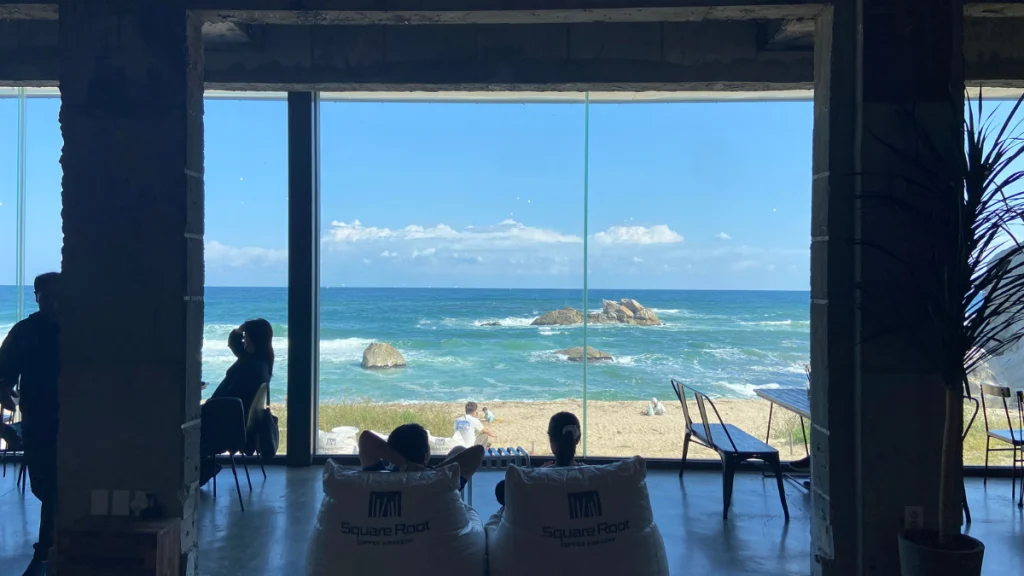
A town can have a relatively high international-resident population without having a visible English-speaking social scene. International populations may be distributed across workplaces, universities, farms, family households, and small villages. For people moving to rural Gangwon, building friendships may involve participating in local Korean communities rather than relying entirely on established foreign-resident groups. This can be rewarding, but it may also require more initiative.
How to Research a Gangwon Community’s Demographics Before Moving
One of the best starting points is the municipality’s official website. Some local governments publish population statistics that include foreign nationals, while others provide detailed reports by town or township. Useful Korean search terms include:
| Korean term | Meaning |
|---|---|
| 외국인주민 현황 | Foreign-resident statistics |
| 등록외국인 현황 | Registered foreign-national statistics |
| 인구현황 | Population statistics |
| 읍면별 인구 | Population by town or township |
| 다문화가족지원 | Multicultural family support |
| 가족센터 | Family center |
| 외국인 지원 | Foreigner support |
| 귀농귀촌 | Relocating to rural or agricultural communities |
Useful official websites include:
- Gangwon Special Self-Governing Province
- Wonju City
- Chuncheon City
- Gangneung City
- Hoengseong County
- Hongcheon County
- Pyeongchang County
- Ministry of the Interior and Safety
Keep in mind that individual municipal websites may use different population definitions or update their information on different schedules. A local figure for registered foreign nationals may be considerably lower than the broader national foreign-resident count because it excludes some naturalized residents, children, and other groups. For comparisons between communities, use the same statistical source and reference year whenever possible.
Is Gangwon-do Becoming a More International Place to Live?
The short answer is yes, although that change looks different from one community to another. The province’s international-resident population has grown rapidly over the past several years, and the latest national statistics show that Gangwon is among South Korea’s fastest-growing regions for international residents.
At the same time, Gangwon’s international population is diverse. It includes temporary workers, international students, long-term foreign residents, Korean citizens from international family backgrounds, and children growing up in multicultural households. These groups may have very different needs and experiences.
For someone considering moving to Gangwon, the most important question is not simply whether other international residents live nearby. It is whether the community provides the housing, transportation, healthcare, education, employment opportunities, and social connections necessary for the life you want to build. Gangwon may be an excellent fit for people seeking a quieter, more rural Korean lifestyle, but the specific city, county, township, and even village can make an enormous difference.
At South of Seoul, we encourage international residents to look beyond the usual destinations and explore the diversity of communities across Korea. Gangwon is becoming increasingly international, and understanding that change can help newcomers make more informed decisions about where to live.
Article Information & History
Article History
No formal audit has been recorded for this article under the current South of Seoul editorial process.
Relationships & Disclosure
- Contributor relationship
- None Disclosed
- South of Seoul relationship
- None / Independent Editorial
- Material benefit
- None
A contributor's independent relationship does not mean South of Seoul or KoreaQuest received payment for publication.
Verification Notes
Sources / verification: We went through government websites and pulled from personal experience as residents in Gangwon-do. We have lived here either as our primary residence or a weekend residence for 5 of our 15 years in South Korea.
Before You Act
South of Seoul articles document information available at a particular point in time. Prices, hours, services, policies, procedures, laws, eligibility requirements, transportation, contact details, and local conditions can change.
Use this article as a research starting point and confirm important details using current official resources, direct contact, Naver Maps, Kakao Map, and other reliable sources when appropriate.
For consequential immigration, legal, medical, or financial decisions, confirm current requirements with the relevant official authority or an appropriately qualified professional.
See something that needs updating?
Help us keep practical information useful. Reader reports are reviewed by our editorial team and do not automatically change this article.


 South of Seoul


 SOS.SEC Sponsored Content


 LeaDan Yee, M.Ed
