ContentsView article sections
Looking for a relatively affordable house in the Korean countryside? Explore rural areas of South Korea where monthly rentals may cost 300,000 – 600,000 with a 10 -20 million KRW deposit. Learn what this amount may get you and discover more about the hidden costs and cultural considerations of village life.
Can You Really Rent an Affordable House in the Korean Countryside?
Yes, of course it is possible to rent a house in rural South Korea. You can even find houses for as low as 300,000 – 900,000 KRW per month, sometimes with a deposit of 10 million KRW or less. However, affordable homes can be difficult to find and may take time to find.
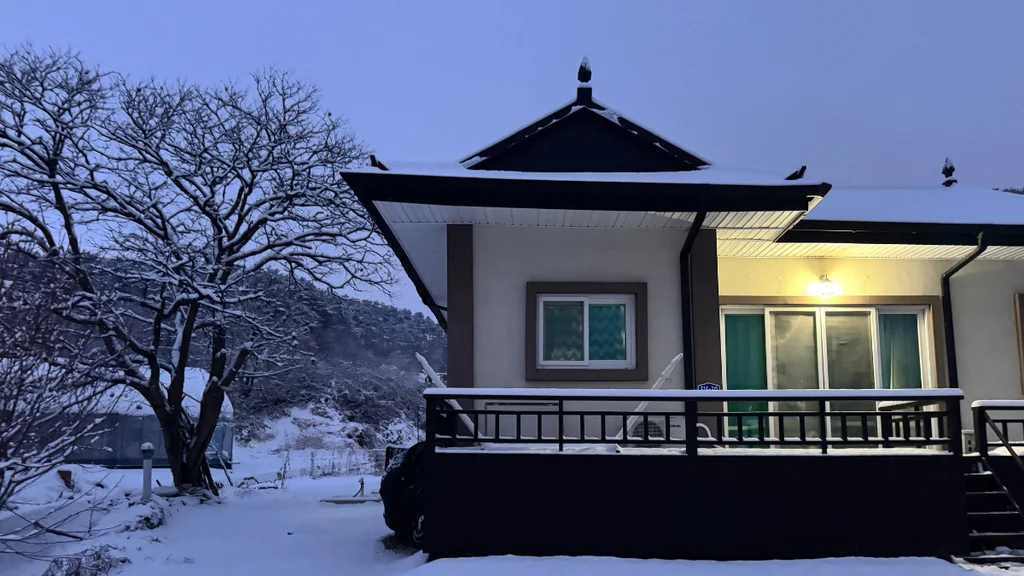
Expect the search for the right place that meets your specific needs as an international resident to take some time. Additionally, prices vary considerably depending on the region, property condition, and proximity to urban services, so you may need to give things up to get this. To find a great spot, staying flexible helps a lot.
The truth is, for most international residents accustomed to apartment living in Seoul, Pyeongtaek, Suwon, or other large Korean cities, the idea of renting a detached house often sounds unrealistic. They may have always been told it’s unpleasant, too expensive, and that nobody wants to do it. However, this is like asking someone in New York if they want to move to rural Wisconsin. It doesn’t fit their goals or values, and they don’t actually know much about it. This doesn’t mean it’s not right for some people.
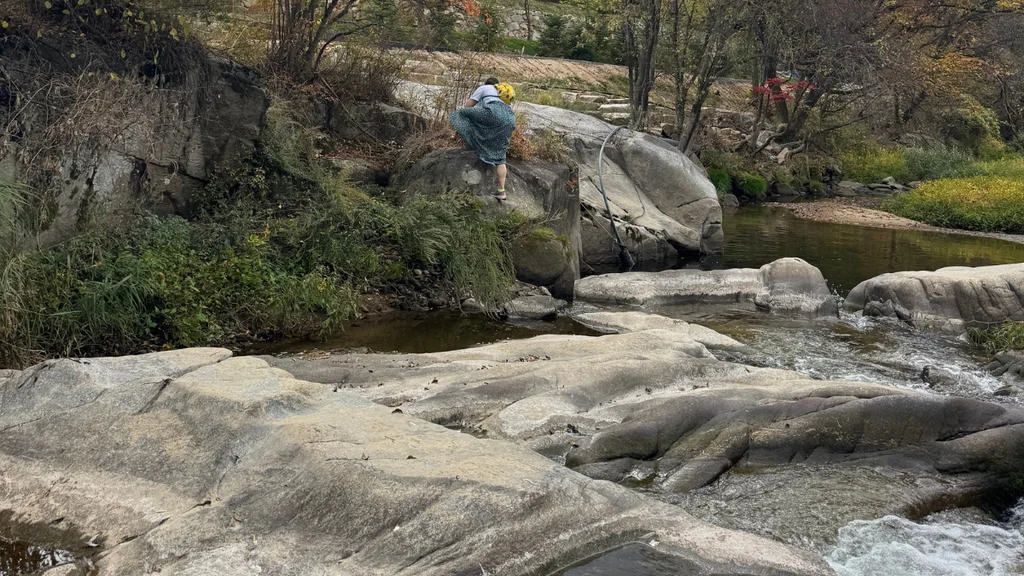
In fact, South Korea has many smaller cities, agricultural communities, and rural towns that offer wonderful lifestyles. For example, in our rural mountain area of around 4,000 people, Coupang still delivers much of what we need in 1-2 days, so our access to many things remains the same as when we lived in the city.
Is it Easy to Move to the Countryside?
If you are someone interested in moving beyond the cities of South Korea and feel ready to handle the associated culture shock, we encourage you to look beyond popular destinations when exploring housing options in Korea. Just make sure you try to understand the realities of living in a community before deciding to move there. Avoid running in headfirst with no information. For example, read all our posts on the topic of rural housing.
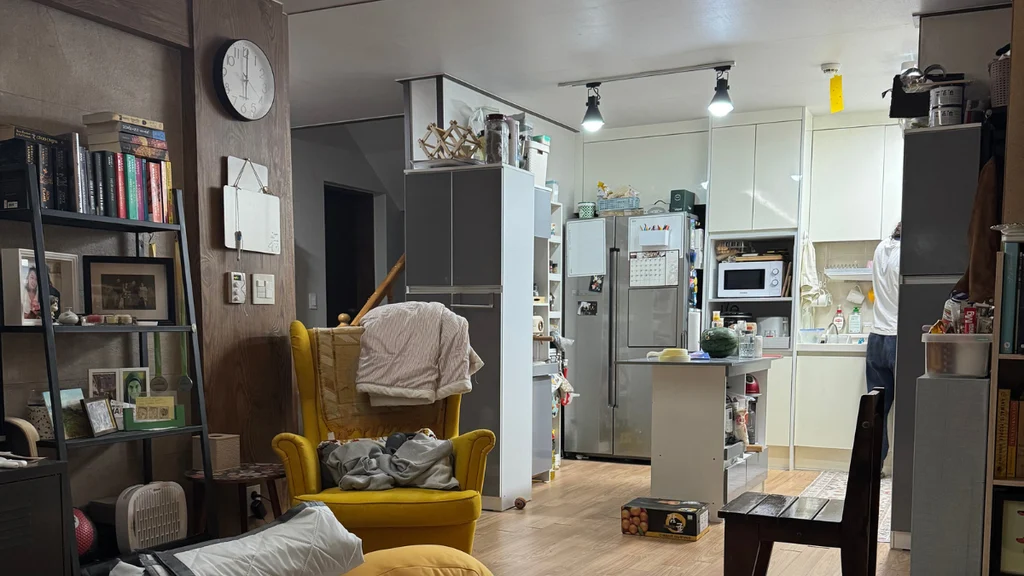
We actually took 2 years to transition into our rural life in Gangwon-do. At first, we rented a weekend spot for 2 years before we made the official decision to find jobs here and a house. We wanted to make sure we knew what we were getting into. Now we want to help others make the leap if they feel they want to try it.
About This Guide
The following guide introduces several regions where affordable monthly rentals have been advertised, explains what different budgets may offer, and highlights practical and cultural considerations that can affect your experience. All information in this guide exists at a moment in time and changes with society. Korea’s real estate rules and systems change with the changing society, so you always need to be asking questions. Now let’s jump into the details.
How Much Does It Cost to Rent a House in Rural South Korea?
The cost of renting in the Korean countryside depends on more than geography or monthly rent. When we say “rent,” we mean the cost to get into the house AND the rent per month. The factors that may impact your move-in and monthly costs include the property’s age, heating system, condition, size, surrounding land, and distance from town, which can influence the advertised rent. A small house in an established farming village may cost far less than a recently constructed country home designed for comfortable weekend living.
Move-in Costs
For someone beginning a rural rental search, the following budget provides a reasonable starting point for initial move-in costs:
| Housing Expense | Suggested search budget | |
|---|---|---|
| Housing deposit (보증금) | ₩10–20 million | 20% due at signing, remainder due on the day of move-in. |
| Monthly rent (월세) | ₩300,000–₩600,000 | First month due on move-in day |
| Expense | Additional Costs At Move-in | |
| Utilities and heating | Additional: varies significantly based on whether the property uses LPG or heating oil for anything. You may have to pay for the remainder left in the tanks; if there is nothing in the tanks, you will need to fill them up. | Paying for LPG or heating fuel left in the tanks often occurs on the day you move, but check with your realtor. |
| Moving and setup costs | Additional: there also might be limitations that add to costs, such as roads that only allow 1-ton trucks, but you need to move a 5-ton truck-worth of items. | Expect to pay between 1 million and 5 million to move depending on how far you are moving, how much you are moving, if you need a ladder truck, if there are stairs, and the level of service. |
| Realtor fees, if applicable | Click to Learn More About Realtor Fees | Due around the week you move into the new place. Confirm date with your realtor. |
| Appliances | Varies | Most houses require you to bring all or some of your appliances. Example: A/C units, washing machine, and fridge. You can get these pretty cheap on used sites. |
These figures are suggested search parameters, not national or regional average rental prices. Since there is no centralized database, we could only sift through YouTube to find examples.
Real Examples of Advertised Rural Rental Prices
To demonstrate the range of options, South of Seoul reviewed Korean-language rental advertisements in November 2026. These are actual listings found on YouTube, a popular place for real estate agents to share information. Remember that listings will often be in Korean, although we have found English-language ones a few times.
| Area | Advertised deposit | Monthly rent | Property |
|---|---|---|---|
| Hongseong, Chungnam | 10 million KRW | 300,000 KRW | Two-bedroom home near town |
| Yesan, Chungnam | 10 million KRW | 350,000 KRW | Two-bedroom house with yard |
| Dangjin, Chungnam | 10 million KRW | 600,000 KRW | Four-bedroom, two-story house near town |
| Hoengseong, Gangwon | 5 million KRW | 500,000 KRW | Three-bedroom house with yard |
| Pyeongchang, Gangwon | 5 million KRW | 350,000 KRW | Two-bedroom home in Pyeongchang-eup |
| Imsil, Jeonbuk | 3 million KRW | 300,000 KRW | Older countryside house |
| Andong, Gyeongbuk | 5 million KRW | 500,000 KRW | Large older country home with yard |
Important: These are advertised examples found in November of 2026, not confirmed current vacancies or completed rental transactions. Some may already be reserved or rented. We have not independently inspected the buildings or verified their contract conditions. It would be impossible for us to keep up with things like that; instead, we are providing general examples so you have an idea of what you can search for.
Some examples are in rural town centers rather than isolated villages. That distinction matters: living in a small-town house and living in a remote farmhouse can involve very different expenses and responsibilities.
Monthly / Operating Costs of a Rural Home
Remember, the initial move-in costs are only one part of the overall housing cost. Unlike the large apartments with shared building systems, a detached house usually requires the tenant to manage or pay separately for heating fuel, water, waste disposal, outdoor maintenance, and other expenses. This is similar to villa living, except it may require extra time and cost to care for the yard.
One of the biggest differences between renting an apartment and renting a detached house in the Korean countryside is that many expenses normally covered by an apartment management fee (관리비) become individual household expenses.
In fact, research from the Rural Development Administration found that rural farming households spent an average of 187,000 KRW per month on heating during the heating season, which averaged 5.2 months. Older homes in mountainous regions may cost considerably more to heat. With the big jump in gas prices lately, we are paying around 250,000 KRW a month for heat during December, but we pay about 50,000 KRW a month during the summer because it’s only for showers. Keep in mind, we keep a cold house.
Estimated Monthly Costs of Renting a House in Rural Korea
The following estimates are intended for budget planning for a household of one or two adults living in a modest detached house. They are not national average expenses.
| Expense | Korean | Estimated monthly cost |
|---|---|---|
| Monthly rent | 월세 | 300,000–700,000 KRW |
| Electricity | 전기요금 | 30,000–100,000 KRW |
| Heating oil or LPG | 난방용 등유 | 150,000–500,000+ KRW in winter |
| LPG for cooking | 취사용 LPG | 10,000–30,000 KRW |
| Municipal water | 상수도요금 | 5,000–20,000 KRW |
| Sewage | 하수도요금 | 3,000–15,000 KRW |
| Home internet | 인터넷 요금 | 22,000–40,000 KRW |
| Cable or IPTV | TV 요금 | 10,000–25,000 KRW |
| Garbage bags | 종량제봉투 | 3,000–10,000 KRW |
| Food waste disposal | 음식물쓰레기 처리비 | 2,000–5,000 KRW |
| Yard maintenance | 마당 관리비 | 10,000–60,000 KRW |
Remember, these numbers reflect our experiences in our area compared with others. If you want a warmer house or a bigger yard, your expenses may be higher. We share this only to give you a rough idea of what could happen.
Do Rural Houses Have Yards for Dogs or Gardens?
In such areas, you may find older village houses, renovated farmhouses, modest detached homes, and country properties with outdoor spaces. Some have simple yards, while others may require considerable maintenance. We recommend communicating clearly with your landlord regarding how the yards can be used and who maintains them. For example, at our house, the landlord takes care of the lawn, but we need to take care of the weeds and garden.
We have found multiple houses that allowed us to have both a large dog and a small dog. The yards also had gardening space and sometimes even a lawn.
Where Can You Find Affordable Houses for Rent in Rural Korea?
There is no single best region for countryside living and no promise that anyone will love it. It’s going to depend on your personality, curiosity, and resilience. An international resident who needs access to a major hospital, reliable public transportation, and regular shopping will have different needs from someone looking for a remote mountain property. You need to know yourself and not do this because another international resident loves it. They may have a different set of factors that help them feel comfortable and confident in a more rural area.
However, if you feel ready to make the switch to the countryside, we recommend selecting a region based on your everyday life first, then researching rental availability in the surrounding communities. It’s unlikely you will find a way to search the entire country, so narrowing it down to a few preferred spots makes it easier.
The following areas are worth investigating.
Hongseong and Yesan: Affordable Countryside Living in Chungcheongnam-do
Korean names: 홍성군 (Hongseong-gun) / 예산군 (Yesan-gun)
Hongseong and Yesan are useful starting points for renters interested in rural life without completely disconnecting from larger communities.
Both counties include agricultural villages and established town centers where residents can access everyday services.
The advantage of searching near a county town is that you may find a detached house while remaining relatively close to grocery stores, hospitals, schools, and restaurants.
Rental Examples in Hongseong and Yesan
A rental advertisement in Hongseong-eup listed a two-bedroom home with the following conditions:
- Deposit: 10 million KRW
- Monthly rent: 300,000 KRW
- Size: Approximately 49.5 square meters
- Two bedrooms and one bathroom
- Parking available
- Furnishings and appliances included
The owner advertised access to the town center and noted that the landlord lived on the same property.
View the Hongseong rental advertisement.
In nearby Yesan-eup, another property was advertised at a 10 million KRW deposit and 350,000 KRW monthly rent. The approximately 84-square-meter house included two bedrooms and a yard. The advertisement described nearby markets, public offices, and medical facilities. The property was marked as reserved when reviewed, but it remains a useful example of the area’s rental market.
View the Yesan rental example.
Who Might Enjoy Living Here?
Hongseong and Yesan may appeal to people who want a slower-paced lifestyle while remaining connected to a town. These areas may be particularly attractive for people who enjoy local markets, walking in quieter neighborhoods, gardening, and exploring agricultural communities.
What Should You Consider?
Not every property advertised as a country house offers complete privacy. In smaller residential compounds, the landlord or another household may live next door or share an entrance, courtyard, or parking space. For example, the Hongseong rental above advertises the landlord’s nearby residence as an advantage for quick maintenance assistance. Some renters may appreciate this arrangement. Others may prefer more separation and privacy. Ask whether the house, entrance, outdoor areas, and utilities are completely independent.
South of Seoul tip: If you are new to countryside living, consider renting near a town center before moving to a more isolated village.
Dangjin and Seosan: Countryside Living Near Working Cities
Korean names: 당진시 (Dangjin-si) / 서산시 (Seosan-si)
Dangjin and Seosan offer a mixture of agricultural communities, coastal areas, and developed city neighborhoods. The countryside outside these cities may be particularly interesting for people who want a detached house while maintaining access to jobs and commercial services. However, searching in these areas requires some care because the distinction between a city neighborhood and a true countryside property is not always obvious in online advertisements.
Rental Example in Dangjin
A Dangjin rental advertisement listed a two-story house near the city center with:
- Advertised deposit: 10 million KRW
- Monthly rent: 600,000 KRW
- Four bedrooms
- Two bathrooms
- A small yard
- Parking available
The advertisement described renting the entire two-story building rather than a single apartment. However, the listing description also mentioned an alternative deposit and rent arrangement. Those details would need to be confirmed with the realtor before entering into an agreement.
View the Dangjin rental advertisement.
This property is an example of a small-city detached home, not a remote farmhouse. To look for a more rural environment, investigate the smaller communities surrounding Dangjin and Seosan.
Who Might Enjoy Living Here?
This area may appeal to people who want the benefits of a quieter neighborhood without being too far from work, shopping, and other city services.
What Should You Consider?
Not all countryside-adjacent areas are quiet agricultural communities. Some locations are close to industrial facilities, transportation corridors, ports, or active commercial farming operations. Before renting, investigate the immediate neighborhood, including potential industrial noise, heavy vehicle traffic, and the activities of nearby businesses. A house outside a large city is not automatically a peaceful retreat.
Hoengseong and Pyeongchang: Affordable Mountain Living in Gangwon-do
Korean names: 횡성군 (Hoengseong-gun) / 평창군 (Pyeongchang-gun)
For people who love mountains, forests, snow, and outdoor recreation, Gangwon-do offers an attractive alternative to Korea’s more urban regions. Hoengseong and Pyeongchang include agricultural villages, mountain communities, established residential areas, and smaller towns. However, renters should distinguish between the cost of a house and the cost of living comfortably in that house.
Rental Example in Hoengseong
A property advertised in Hoengseong’s Gangnim-myeon offered:
- Deposit: 5 million KRW
- Monthly rent: 500,000 KRW
- Approximately 82.6 square meters
- Three bedrooms and two bathrooms
- A yard and vegetable garden
- Parking available
- Pets listed as permitted
The advertisement identifies electric floor-panel heating, an important detail that prospective renters should investigate before signing a lease.
View the Hoengseong rental advertisement.
Rental Example in Pyeongchang
A house in Pyeongchang-eup was advertised with:
- Deposit: 5 million KRW
- Monthly rent: 350,000 KRW
- Approximately 84 square meters
- Two bedrooms and one bathroom
- Parking available
- Location near Pyeongchang Elementary School
View the Pyeongchang rental advertisement.
The Pyeongchang example illustrates how a town-based rental can be an alternative to living in a remote mountain village.
Who Might Enjoy Living Here?
Gangwon-do may appeal to people who value outdoor recreation, distinct seasons, mountain landscapes, and smaller communities. The region may also be worth considering for remote workers, provided that internet access and transportation meet their needs.
What Should You Consider?
Winter is one of the biggest practical differences between living in rural Gangwon-do and living in many of Korea’s larger cities.
Heating costs, insulation, frozen pipes, snow removal, and access roads can all influence how comfortable a property is during winter. A mountain house may be beautiful in September but expensive or inconvenient to maintain in January. Ask about the exact heating system, previous winter utility bills, road maintenance, and access during heavy snow. Also check how far the house is from the nearest town, rather than relying only on the county name.
Imsil, Wanju, and Jinan: Exploring Rural Jeonbuk
Korean names: 임실군 (Imsil-gun) / 완주군 (Wanju-gun) / 진안군 (Jinan-gun)
Jeonbuk is another region worth investigating for people who enjoy smaller agricultural communities. These counties offer different living environments. Wanju includes communities near Jeonju, while Imsil and Jinan provide additional opportunities to explore smaller towns and rural settings. However, location and property quality significantly influence the rent, and newer country houses may fall outside a modest budget.
Rental Example in Imsil
An advertisement in Imsil’s Sindeok-myeon listed an older rural house with:
- Deposit: 3 million KRW
- Monthly rent: 300,000 KRW
- Approximately 40 square meters
- Three listed bedrooms and one bathroom
- Parking available
- Appliances included
The property was described as suitable for either countryside second-home use or residential living. However, the building’s recorded approval date is 1957.
View the Imsil rental advertisement.
This is a useful example of both the opportunities and uncertainties associated with very inexpensive countryside housing. A property can offer a low deposit and affordable rent while still requiring careful examination of its structure, electrical system, heating, plumbing, and interior condition.
Who Might Enjoy Living Here?
This region may interest people who enjoy rural landscapes and want to explore communities outside Korea’s major metropolitan areas. For people who need city services regularly, it may make sense to begin the search in villages closer to established town centers or Jeonju.
What Should You Consider?
Older countryside homes may have been renovated gradually over many decades. A house that looks attractive in photos may contain different construction materials, enclosed additions, older bathrooms, or other features that require investigation. Be especially careful about paying deposits before inspecting an older home in person. In addition, do not assume that every house in rural Jeonbuk is inexpensive. Recently constructed houses with attractive mountain views and modern facilities can command much higher rental prices.
Andong: Traditional Communities and Rural Homes in Gyeongsangbuk-do
Korean name: 안동시 (Andong-si)
Andong offers another possibility for people who want to experience life in a smaller regional community. Beyond its central neighborhoods, Andong includes agricultural areas, villages, and traditional housing environments. The area is worth exploring for people who want a balance between an established city and access to quieter countryside locations.
Rental Example Near Andong
A property advertised in Namhu-myeon, Andong, included:
- Deposit: 5 million KRW
- Monthly rent: 500,000 KRW
- Approximately 182.7 square meters of listed floor area
- Three bedrooms and one bathroom
- Large yard
- Parking available
- Pets listed as permitted
The advertisement emphasized the outdoor landscaping and spacious grounds. However, the building’s recorded approval date was 1952, making its current condition an important consideration.
View the Andong countryside rental advertisement.
Who Might Enjoy Living Here?
Andong may appeal to people interested in regional culture, traditional communities, and quieter residential environments. The wider region also provides opportunities to investigate rural homes while maintaining access to an established regional city.
What Should You Consider?
An older home with a large garden may require considerably more maintenance than a smaller apartment. Confirm who is responsible for maintaining the yard, landscaping, outdoor structures, and drainage. Also clarify whether the entire property is included in the rental agreement or whether the landlord retains access to certain areas.
Hidden Costs and Cultural Considerations of Renting in Rural Korea
Affordable rent is only part of the decision. Living in the Korean countryside can be rewarding, but it often involves responsibilities and social expectations that may be unfamiliar to people accustomed to apartment living. These differences should not discourage people from exploring rural Korea. Instead, understanding them can help renters choose a home and community that suit their needs.
1. A Low Monthly Rent May Come With High Heating Costs
Many countryside homes are not connected to city gas networks. Depending on the property, heating may rely on oil boilers (기름보일러), LPG, electricity, or other systems. An older house with poor insulation may require substantial heating during winter. Ask the landlord for actual heating bills from previous winters. If the property uses oil or LPG, ask how fuel is ordered, delivered, and paid for. Do not assume that utilities are included simply because the advertisement says there is no management fee.
We have relied on both LPG and oil boilers. Having to pay for a barrel of fuel can feel hectic some months. We also actually ran out of fuel a few times because we forgot to check it, and they actually delivered it the same day. It’s not the most convenient situation, but also not so bad.
2. Your Landlord May Be Your Neighbor
In rural communities, a landlord may live immediately beside the rental property or elsewhere within the same compound. This can be convenient when something breaks. It can also affect your sense of privacy. Before moving in, establish whether there are shared spaces, whether the landlord stores belongings on the property, and how maintenance visits will be arranged. Clarify these arrangements before signing rather than assuming everyone has the same expectations.
We actually live across the street from our landlord, and he mows our lawn. He also supplied us with cabbages for kimjang, and we go visit his dog. It’s been fine so far.
3. Village Communities May Have Their Own Social Expectations
Some small Korean villages have longstanding community relationships, local associations, and established ways of managing shared responsibilities. New residents may be invited to village meetings, seasonal events, community cleaning activities, or neighborhood gatherings. These activities can offer opportunities to build relationships, learn more about local traditions, and become part of the community.
However, expectations differ considerably between villages. Participation may be informal, voluntary, or connected to specific shared facilities. You will need to stay flexible, and folks might want you to adjust to their style rather than adjust to yours. We don’t have a huge problem with this and tend to settle in pretty quickly.
One issue worth asking about is village fees or contributions.
Some villages collect regular community dues (마을회비), and there have been documented disputes involving requests for village development contributions (마을발전기금) from newcomers. For example, a September 2025 KBS investigation examined disagreements over village development payments involving people relocating to rural communities.
Read the KBS report about village development funds.
Such arrangements are not universal, and a requested contribution should not automatically be treated as a legal requirement or part of your lease. We have not experienced this so far. However, if you are asked to pay a fee, find out who is requesting it, what it covers, whether it is voluntary or legally required, and how any funds are administered.
If anyone did request it, we would be happy to give our money if it was reasonable. Our neighbors do a lot, including clearing our roads in the winter. We would be more than happy to help support them.
South of Seoul tip: Before moving into a small village, ask your realtor or landlord whether there are any village-specific expectations, shared expenses, or responsibilities that new residents should understand.
4. Agricultural Communities Are Working Communities
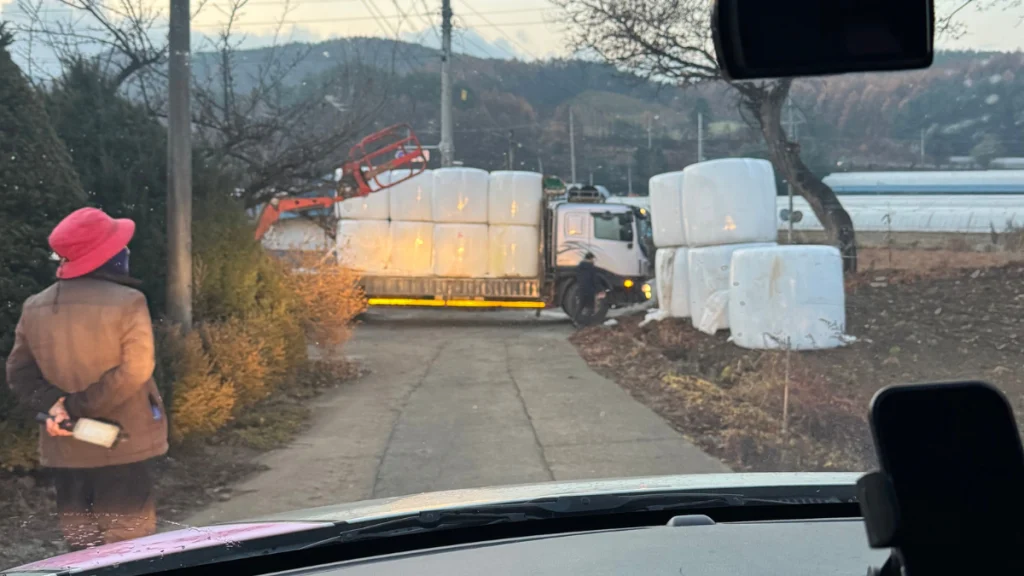
A beautiful house surrounded by fields may appear peaceful in an online video. However, farms are active workplaces. Depending on the season and location, residents may encounter tractors, harvesting equipment, early-morning farm work, agricultural spraying, manure odors, livestock noise, and insects. These activities are part of the local economy and may have been occurring for generations before newcomers arrived. If you prefer a quiet environment, investigate nearby agricultural operations before signing a lease. They aren’t going to change their lives because you feel inconvenienced.
Similarly, if you have concerns about agricultural chemicals, livestock facilities, or other environmental conditions, ask specific questions about the immediate surroundings.
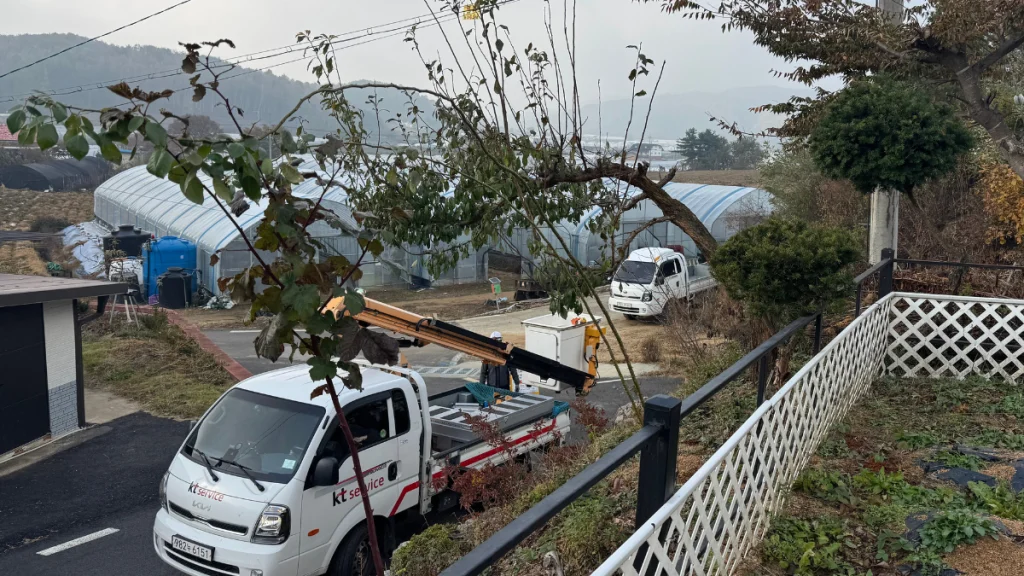
We have had issues getting blocked into our house, but the drivers moved quickly enough for us to get to work. We know it’s an issue in the spring and fall and try to adjust with it.
5. A Yard Does Not Always Mean Private Land
A detached home may have what appears to be a spacious garden, vegetable plot, driveway, or outdoor storage area. However, the advertised property and the land included in the rental may not be the same thing. A landlord might retain the right to use a vegetable garden, shed, or nearby agricultural land. Ask which areas you can use exclusively, whether you may plant a garden, and who is responsible for maintaining outdoor spaces. This is particularly important for renters with children or pets.
6. Some Countryside Houses Have Hidden Building Problems
Older village homes may contain damp walls, poorly ventilated bathrooms, damaged roofing, worn-out plumbing, or outdated electrical installations. Some properties have also been altered or extended over time. Inspect older properties carefully and confirm the official building use and recorded floor area.
Most shockingly, a listing labeled as a country house does not necessarily mean that the building is legally registered as a residential house. For example, some online listings categorized as 단독/전원주택 are recorded as 숙박시설 (accommodation facilities) or 근린생활시설 (neighborhood commercial facilities). These classifications can affect whether the property is suitable for your intended residential use, address registration, and other arrangements.
Also distinguish ordinary houses from 농막 (agricultural huts) and 농촌체류형 쉼터 (rural stay shelters). These have different legal purposes and conditions from conventional residential housing. Before committing to a rural rental, confirm the building’s legal status and whether you can register it as your residence.
7. Rural Transportation Can Change Your Budget
A house advertised for 350,000 KRW per month might seem like an excellent deal. However, if it is far from shops, public transportation, work, and medical services, you may spend significantly more on transportation. Consider your total monthly living expenses rather than evaluating rent alone. If you do not own a car, look closely at communities near an 읍 (town center) before choosing a remote village.
What Is the Best Type of Countryside Location for a First-Time Rural Renter?
If you have never lived in the Korean countryside, consider beginning with one of three different environments.
| Location type | Advantages | Possible drawbacks |
|---|---|---|
| Small-town center (읍) | Easier access to shops, transportation, hospitals, and schools | Less privacy or outdoor space |
| Village near a town | Rural atmosphere with some access to services | Transportation may still require a car |
| Remote mountain or agricultural village | More seclusion and potential outdoor space | Winter access, utilities, isolation, and maintenance |
For many international residents, a village close to a town center may offer the most practical balance between affordability and countryside living. You can enjoy rural surroundings while remaining close enough to essential services to manage everyday life comfortably. After experiencing the region for a year, you may decide that a more remote location better suits your lifestyle.
Can Foreign Residents Rent Houses in Rural Korea?
Generally, foreign residents can rent residential properties in South Korea. However, finding a willing landlord and a property that meets your needs may take additional effort. Some landlords may have limited experience renting to foreign residents, and smaller real estate offices may not provide English-language services. You also may need to explain your residence status, intended rental period, household size, and whether you have pets, which may feel linguistically and socially difficult.
Then, before paying a deposit, make sure the property can be legally used as your residence and that you understand the contract and ownership records. Foreign residents must also follow the address-reporting rules applicable to their immigration status.
For additional guidance, visit HiKorea and Korea Housing & Urban Guarantee Corporation (HUG).
The next section is all about SEO, so you don’t even need to worry about it. We do this to make information more searchable online. Google wants us to not just share the long-form answers but also short ones. The short answers aren’t terribly valuable, but they do get our articles noticed by search, so we add them at the end of articles.
Frequently Asked Questions About Affordable Countryside Rentals in Korea
Can I rent a house in rural Korea for ₩300,000 a month?
Yes, such properties do appear in Korean rental advertisements. However, availability varies, and inexpensive houses may be older, smaller, or located farther from essential services.
Is a 10 million KRW deposit enough to rent a country house in Korea?
It can be. Several advertisements reviewed for this guide required deposits of ₩3–10 million. A deposit of ₩10–20 million provides a useful search budget, although newer or more desirable properties may require significantly more. Houses with higher deposits also exist if you have the funds for them.
Are detached houses cheaper than apartments in Korea?
Not necessarily. Some older rural detached houses are inexpensive, but modern country houses can cost more than apartments in nearby towns. Compare both options in your preferred area.
Can I rent a rural house with a yard?
Yes. However, confirm whether the yard, garden, and outdoor storage spaces are included in the rental agreement and whether you are responsible for maintaining them.
Are rural rentals suitable for families with children?
Some may be. Consider the distance to schools, hospitals, childcare, transportation, and other essential services. A small town or village close to an established community may be more convenient than a remote mountain property.
Is renting a country house a good way to try rural life in Korea?
For many people, yes. Renting allows you to experience the local community, seasonal weather, transportation needs, and costs before making a longer-term commitment or considering a property purchase.
Final Thoughts: Affordable Countryside Living Is Possible, but Research Matters
Renting an affordable house in rural South Korea is possible, and the rental advertisements reviewed for this guide provide real examples across several provinces. However, finding the right home requires more than choosing the lowest monthly rent. The location, building condition, utilities, legal status, community expectations, and access to services all influence whether a property is a good choice. A 300,000 KRW rental may be an excellent fit for one household and completely impractical for another.
At South of Seoul, we encourage international residents to explore the diversity of life beyond Korea’s largest cities. Smaller communities offer different opportunities to connect with local people, experience regional culture, and build a home. The most important step is finding an environment that fits your actual lifestyle rather than an idealized image of countryside living.
Start with a realistic budget, explore several regions, and learn about the community as well as the house. With careful research, you may discover that rural Korea offers more housing possibilities than you originally expected.
Related South of Seoul Articles
- Overview of Renting in Pyeongtaek
- Discover Dalbang / Wolbang Short-Term Rentals in Korea
- Comparison of Rental Systems Near US Military Bases
Research and Additional Resources
- Danggeun Real Estate — Korean-language property advertisements.
- Naver Real Estate — Residential listings and regional searches.
- Ministry of Land Real Estate Transaction Price System — Reported property transaction data.
- KBS: Disputes Over Rural Village Development Funds — Reporting about newcomer experiences and community contributions.
- HiKorea — Immigration and residence information.
Disclaimer
The examples in this article reflect advertisements researched on November 9, 2026. They are illustrative rather than verified offers or regional averages. Prices, availability, and rental conditions may change. South of Seoul does not endorse or guarantee individual property advertisements, landlords, or agencies.
Article Information & History
Article History
No formal audit has been recorded for this article under the current South of Seoul editorial process.
Relationships & Disclosure
- Contributor relationship
- None Disclosed
- South of Seoul relationship
- None / Independent Editorial
- Material benefit
- None
A contributor's independent relationship does not mean South of Seoul or KoreaQuest received payment for publication.
Verification Notes
Sources / verification: We looked at YouTube videos, visited properties, rented our own homes, read comments from community members who do the same, and talked with real estate agents.
Not fully confirmed: We couldn't audit every area of Korea for rental properties. We did find that some areas still aren't offering monthly many monthly rentals. So you need to do a lot of research on the area you want to move to.
Before You Act
South of Seoul articles document information available at a particular point in time. Prices, hours, services, policies, procedures, laws, eligibility requirements, transportation, contact details, and local conditions can change.
Use this article as a research starting point and confirm important details using current official resources, direct contact, Naver Maps, Kakao Map, and other reliable sources when appropriate.
For consequential immigration, legal, medical, or financial decisions, confirm current requirements with the relevant official authority or an appropriately qualified professional.
See something that needs updating?
Help us keep practical information useful. Reader reports are reviewed by our editorial team and do not automatically change this article.
 James Chung

 SOS.SEC Sponsored Content

 South of Seoul


 Pyeongtaek Living 101


