-
Sweet and Yum: The Flavors of Korean Tradition
When people think of Korean snacks and drinks, many imagine Buldakbokkeum Myeon (Fire Chicken Noodles) or banana milk. These modern snacks are definitely popular and delicious. However, Korea also has many traditional snacks and drinks that people have enjoyed for a long time. If you haven’t tried Korea’s traditional snacks yet, I would like to introduce you to some. These foods are enjoyable not only to taste, but also to look at. Let’s explore what kinds of traditional snacks and drinks are available today and where you can try them.…
-
5 Korean City Mascots
There are many mascots that represent the characteristics of cities in Korea. Mascots often show what is most famous in that city — popular foods, local nature, cultural features, or unique history. These characters help cities promote identity, citizenship, and tourism. In this article, I’ll introduce five well-known city mascots in Korea and share what makes each one special. Joa Yong (조아용) — Yongin City Mascot Joa Yong is the city mascot of Yongin, and its name feels like a cute wordplay. “Joa” (조아) sounds like “좋아,” which means “to…
-
What I Noticed About Everyday Life in Korea
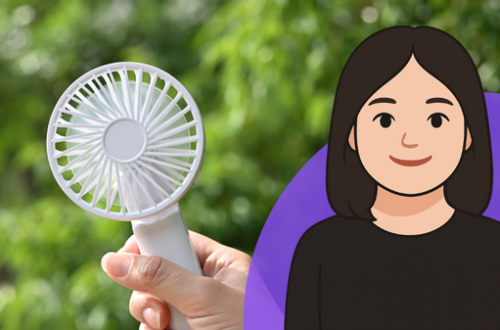
Living in Korea for several years has given me the chance to notice many small but meaningful parts of daily life. In the beginning, everything felt unfamiliar, but over time these tiny habits became the things I looked forward to observing. They’re not major traditions or historical customs—just everyday behaviors that show how people in Korea adapt to the weather, commute, fashion trends, and student life. For foreigners living in Korea, these details can feel surprising at first, but eventually they start to make perfect sense. Mini Fans and Warm…
-
The Influence of Confucianism on Korean Literature
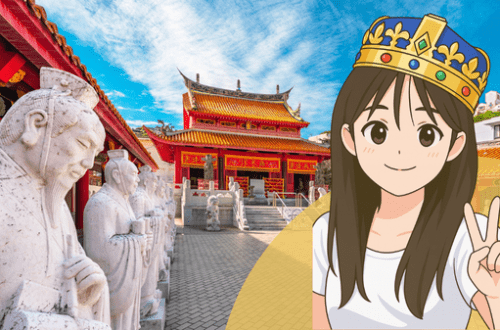
Confucianism is an ethical, political, and religious philosophy created by Confucius during the Spring and Autumn period in China. The teachings of Confucianism focus on moral practices in human relations, social order, and political governance. It has been one of the key ideological systems in East Asia, alongside Buddhism and Taoism. In Korea’s past, Confucianism significantly influenced both society and literature. Confucian values, such as filial piety, loyalty, and fidelity, can be seen in many of Korea’s classical works of literature. This influence continues to shape Korean culture today, even…
-
The Language and History of the Term “Radish” in Korea, Japan, and China
Who wants to do a deep dive into the meaning of ‘radish’ with us? The Language and History of the generic words for radish in Korea Japan and China is quite interesting and it gives great insight into how language might be used in ways that may confuse English speakers from Western countries. Hidden Culture In Action I have a hard time quickly comprehending new aspects of hidden culture, especially when it comes to linguistic nuance in generic terms. For me, my brain sees language as very black or white…
-
Guide for Ski and Snowboard Season Gear Rentals in South Korea
Would you like to spend all season skiing or snowboarding in Korea but you don’t have gear or a lot of money? You can make it happen. This guide to ski and snowboard season rentals in South Korea will help your dreams come true. Keep reading and we will see you on the slopes. PS this was written fast, because people needed info. Sorry for any mistakes. We will edit soon. Renting Ski and Snowboard Gear for the Season in South Korea For winter sports fans living in South Korea,…
-
Korean Gift-giving Etiquette Guide for Chuseok
Would you like to embrace the joy and community of Korean Thanksgiving? Start with this Korean gift giving guide for Chuseok. Also after you read the following guide about gift-giving, you need to also read our post about your Chuseok meal menu. Let’s go! About Chuseok Chuseok (추석), often called “Korean Thanksgiving,” is one of the most important family holidays in South Korea. It’s a time to honor ancestors, visit family, and share food. The holiday also includes a gift-giving element that might make it feel a little like Christmas.…
-
Household Pests in South Korea: A Local Guide
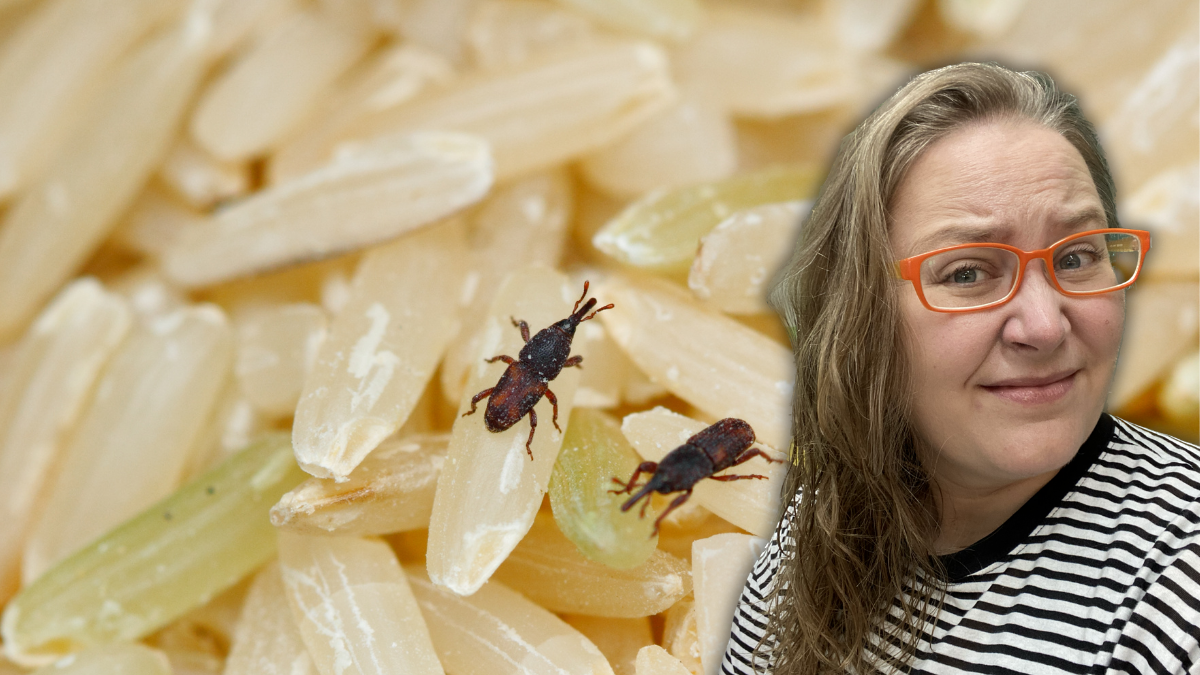
When you move to a new part of the world, you need to learn about local pest control. Don’t get caught off guard, learn about the household pests in South Korea and get ahead of the problem. About Household Pests in Korea The following post exists as a practical handbook for new residents who want to keep their homes bug-free. Let’s start by addressing the factors to consider for managing pests in your new home in Korea: Temperature Insects are ectotherms. Below about 20 °C, many pantry and drain pests…
-
August in South Korea, July in South Korea, June in South Korea, Korean Travel & Adventure, New Arrival Information
15 Summer Fun Ideas in Korea for Locals 2025
Summer in Korea means hot sun, high humidity, and the potential heavy rains. Some people prefer to embrace the elements while others stay inside. We have 15 different Summer Fun Activities for those that don’t mind tackling the elements and those that want to stay inside. No matter your preference, you will find summer fun in Korea! 15 Ideas and Over 100 Places This blog post introduces 15 fun things to do and then links to blogs for each of these ideas. This allows us to share the maximum amount…
-
Discover the Jeongja (정자) or Korean Resting Pavilion
Have you ever wondered about the Korean resting pavilions (정자) you see around Korea or in photos? These beautiful, open-air structures offer rest and escape from harsh weather. Keep reading to learn more about them and how to use them. What Is a Jeongja? If you’ve walked through a Korean park or a cultural street, you may have noticed differently sized wooden buildings with raised floors, open sides, and often curved roofs. These calm, cozy structures are called jeongja (정자). Such Korean resting pavilions offer the community a place to…