What You Need to Know Visiting a Traditional Market in Rural South Korea for the First Time
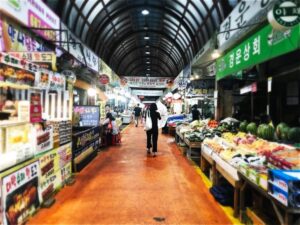
ContentsView article sectionsShould I be shopping at traditional markets in rural South Korea?What will visiting the traditional markets feel like the first time I go?5 Pro Tips for having the best experience at a rural traditional marketsHow should I buy my meats, vegetables, and fruits at the traditional market?3 types of traditional markets in rural South KoreaDid this blog help you?Should I be shopping at traditional markets in rural South Korea? Do you like saving money? Do you live in a small city and near-ish a traditional market? Then, hell yes! You should be shopping at your local traditional market. Two of us spent six months shopping only in the traditional markets because we were broke as a joke. We spent 70,000 won a week on groceries to fill our fridge. That means our monthly grocery bill was only about 280,000 won and we ate crazy healthy. Our diet was seasonal fresh fruit and veggies with lots of low-fat meat cuts from the local butcher. Honestly, we did not suffer and we saved a ton of money. Additionally, we bought our winter gear and kitchen supplies at the traditional market as well. It saves us crazy amounts of money. Sure, we aren’t getting all the brands or fancy things imported from the west but we do get a fat savings account. What will visiting the traditional markets feel like the first time I go? Incredibly uncomfortable and you may feel angry at times (especially if you are neurodivergent). Traditional markets tend to stress international residents from western countries in the first few visits. The new noises, smells, products, and experiences feel overwhelming and your brain wants to explode. Often times, your mind shuts down very fast and you might want to run away. Hold grace for yourself and the new experience. Give yourself time to adjust. Push past the pain because the reward of getting comfortable in a new cultural space will enrich your life forever. During your first visit to a rural traditional market, it helps to remember that all cultures have different values and experiences. Keeping in touch with your own empathy and give yourself grace during these overwhelming times so that you give your mind time to expand its worldview to include these new perspectives. Holding off judgment toward yourself and others will pay off incredibly during your life in rural South Korea. 5 Pro Tips for having the best experience at a rural traditional markets To get you started, I’ve put together a list of things that I wish I had known before I arrived. I actually don’t do well in new, noisy spaces so I struggled a lot with traditional markets. Knowing the following information would have helped me adapt much quicker and reduced my stress and anxiety immensely: Take cash: Things go smoother with cash. Although most vendors at traditional markets take cards, not all of them do. Additionally, holding out cash allows the vendors to show you what something costs visually with your money. Take reusable bags: At the traditional markets, they package things loosely. Take your own bags to help reduce waste. Go slow. Take a few trips to the market to simply look around before actually going to do real shopping. I think it took me 5-10 visits before I found my happy place and could accomplish all my shopping goals. I needed to have time to carefully understand what each vendor had to offer and determine what I wanted to try. Go alone: It might seem like fun to go with a friend, but it often backfires. Either they are going too fast, or you are going too fast. Instead, go by yourself so that you can really focus on what you see, hear, and experience. This also allows you to go home without shame. You can cut and leave at any moment, no judgment. Go home: If you get overwhelmed and want to leave right away, try to avoid casting judgment on yourself or the market. Just go home and come back again another day. The more you visit, the more you will learn, and the more comfortable you become. This feeling of shock-and-awe will pass. Hold grace for yourself and know that you will feel like a badass once you get comfortable and you will love how much money you save. Hold grace in your heart. Keep in mind that you do not know what is happening at the traditional market and you are overwhelmed so you could experience a ton of negative feelings. Keep this in mind and remember that the anger you may feel is a part of Culture Shock and not necessarily indicative of either your own failures or the failure of others around you. You will be stared at, don’t get too pressed. They are also worried about you and stressed about communicating with you. You will all work through it together if you hold grace in your heart. It’s all going to be ok. Once they get used to having you at the market they will ignore you completely, they just worry at the beginning. How should I buy my meats, vegetables, and fruits at the traditional market? Meat: If you are looking for specific cuts of meat, you will love the traditional market. You can read our blog about useful Korean phrases for the butcher to learn how to order the meat cuts that you need. Remember that everything will be in kg rather than lbs. Eggs: These are sold by the carton and they do not need to be refrigerated. You heard correctly. The eggs sold unrefrigerated at the market have not been industrially wasted and stripped of their natural protective membrane. Additionally, you can often buy chicken eggs, duck eggs, and quail eggs. They will tie some strings around the large carton of eggs for you to carry them home. Fruits and Vegetables: You buy according to the bowl, bucket, bunch, or bag rather than the weight. This is HUGELY … Continue reading What You Need to Know Visiting a Traditional Market in Rural South Korea for the First Time
