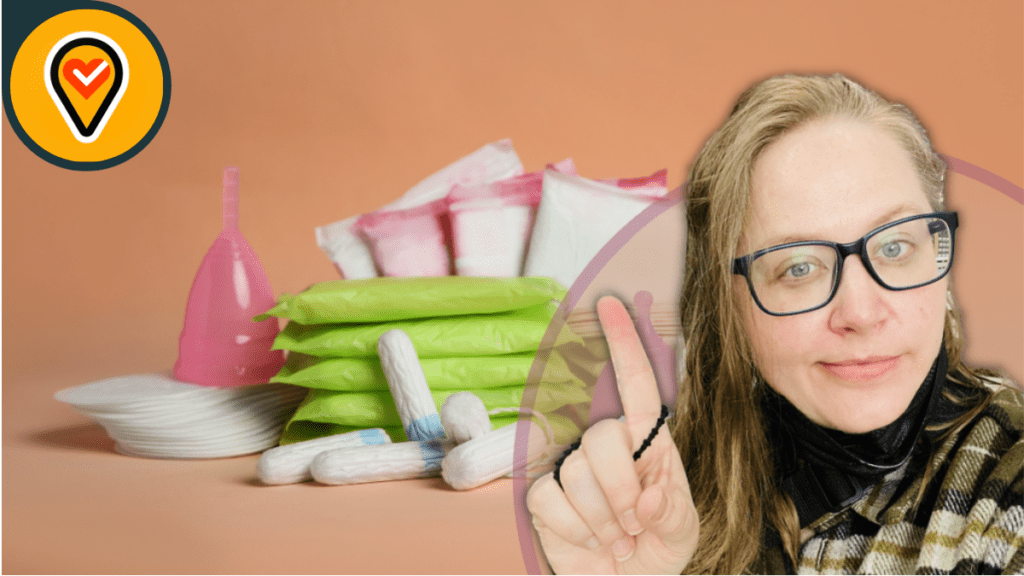
Historical Overview of Feminine Hygiene in Korea
ContentsView article sectionsListen to the BlogCastReasons for Starting a Feminine Hygiene in Korea SeriesFactors Impacting the Adaptation of Feminine Hygiene ProductsPovertyCultural PracticesPublic Health ProgramsBrief History of Feminine Hygiene Products in KoreaThe Use of Cloth Menstrual PadsIntroduction of Commercial Menstrual PadsIntroduction of TamponsIntroduction of Menstrual CupsIntroduction of Menstrual UnderwearIssues Surrounding Feminine Hygiene in South KoreaRegulation of Feminine Hygiene ProductsPeriod PovertyCurrent Feminine Hygiene Use StatisticsAdditional ReadingFollow SOS Public Health For More ResourcesApply For An SOS Public Health Practicum OpportunityWondering about Korean history surrounding feminine hygiene (menstrual) products? Feminine hygiene culture develops differently in different cultures. When moving to a new country, some women may find it may help women to understand local feminine hygiene history. The following article provides a brief history and additional reading for those who want to be informed. Listen to the BlogCast Don’t want to read? Listen to the South of Seoul BlogCast which provides accessible content through the use of AI technology. We don’t have time to read each article but we do our best to make more of our content accessible. If you would like to join our Accessibility Team apply to volunteer with South of Seoul. Please note that the pronunciation of some Korean words may be inaccurate due to AI technology’s limitations. Reasons for Starting a Feminine Hygiene in Korea Series When women move from country to country, it can feel scary and frustrating to learn about local menstrual products. Most information shared comes from personal bias and fear-based clickbait. However, South of Seoul volunteers prefer a research-based perspective on information. Women deserve access to research over bias. Therefore, this marks our first article in a research-based blog post series dedicated to feminine hygiene products in South Korea. Factors Impacting the Adaptation of Feminine Hygiene Products Historically speaking, feminine hygiene products in Korea evolved similarly to the West but with certain distinct cultural influences. Some of the factors that impacted the evolution and adaptation of feminine hygiene products in South Korea include such things as 1) extreme poverty, 2) cultural practices, and 3) public health education programs. Poverty Poverty significantly impacted the ability of women and girls to access commercial feminine hygiene products in Korea. The high cost of these products, relative to average income, created a barrier to using commercial products. Women struggled to afford sanitary products, leading to instances of them using alternative materials or reusing sanitary products. Cultural Practices Like most cultures around the world, menstruation is often viewed as a taboo subject in Korean society. The taboo nature of the topic discouraged open discussion about menstruation and the use of certain hygiene products. For example, internal menstrual products like tampons and menstrual cups are less popular in Korea than in Western countries due to cultural beliefs and misconceptions about virginity and sexuality (Chung & Kim, 2019). Korea is not unique in this situation. Such stigmas continue to be a global concern, especially in religious communities(Root, 2022). Public Health Programs Public health programs play an important role in feminine hygiene policy in Korea. For example, a Seoul government initiative started in 2018 provides free sanitary pads in schools. This program aimed to reduce the burden on low-income families and alleviate period poverty among school-aged girls. We will talk more about ‘period poverty’ later in this article. Another aspect of Korean public health programs is feminine hygiene education. The Korean government implemented menstrual health education in schools to foster better understanding and practices among young people. Such educational programs aim to reduce the stigma associated with menstruation and promote healthy feminine hygiene habits. However, much like many countries around the world, cultural taboos and stigmas around menstruation still exist. Therefore, a need for more comprehensive public health approaches that address both material needs and cultural attitudes still exists. Watch the following YouTube video to see one woman’s lived experience regarding how feminine hygiene public health programs impacted her choices: Brief History of Feminine Hygiene Products in Korea Now that we have looked at a few of the historical factors that impacted the history of feminine hygiene in South Korea, let’s take a look at the historical adaptation of products as it relates to current times. The Use of Cloth Menstrual Pads Traditionally, Korean women used cloth menstrual pads (면생리대). The use of cloth pads continued well into the mid-1900s in Korea and the Korean community that immigrated to the United States. The following photographs show examples of Korean sanitary pads (Oh Ju-yeong 2019): Korea continues to offer cloth menstrual pad options. This puts Korea ahead of a growing global trend toward the use of washable menstrual pads. Such washable menstrual clothes can be found on Coupang. You can see examples of such menstrual pads in the image below: When searching for washable menstrual cloths on shopping sites, you can search for 면생리대 which technically means ‘cotton sanitary pad’. Introduction of Commercial Menstrual Pads The introduction of disposable menstrual pads in Korea can be traced back to the 1960s and the influence of the West. After the Korean War, a Korean company called Yuhan-Kimberly was founded. The company was a joint venture between Yuhan Corporation in South Korea and Kimberly-Clark Corporation in the United States. The company introduced South Korea’s first disposable menstrual pads. The adoption of disposable pads marked a significant departure from traditional practices of reusable cloth pads. The Korean shift to disposable pads was in line with broader global trends toward convenience and was heavily influenced by Western practices of feminine hygiene. It’s worth noting that the uptake of disposable pads was not immediate. Much like in the United States, adaptation was slow and influenced by economic, social, and cultural factors. As living standards improved and the country industrialized, disposable menstrual pads became more common and eventually became the most common choice for menstrual management in Korea. Introduction of Tampons Tampons (탐폰) were introduced in South Korea around the 1990s, primarily due to Western influence. However, unlike in Western countries, where tampons have been widely adopted, the uptake of tampons in Korea … Continue reading Historical Overview of Feminine Hygiene in Korea
