Guide to Used Furniture in Korea
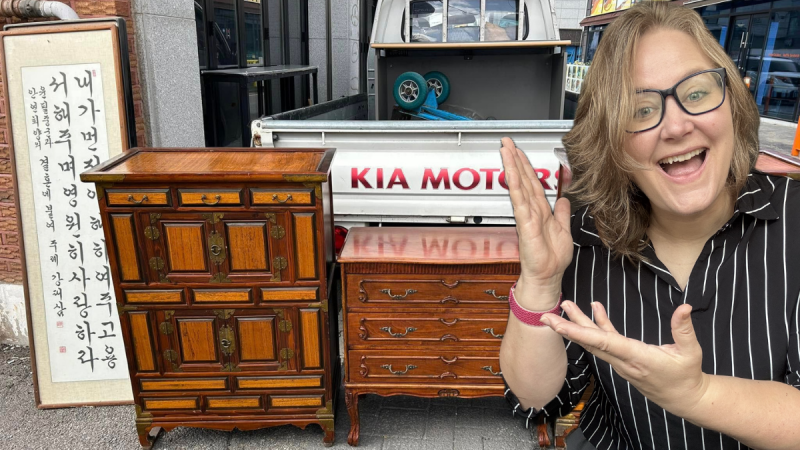
ContentsView article sectionsAbout Used Furniture In South KoreaFrom “New Is Best” to “Value Shopping”Carrot Market & the Normalization of ‘Pre-Loved’The Rise of “Newtro” & Up-Cycling AestheticsCommunity Pride and Hyper-Local TrustEco-Logic + Tight Spaces = Turnover CultureWhat This Means for You as an International ResidentHangul Keywords for Finding Used FurnitureWhat to Expect (Straight Talk Edition)Culture-Shock MomentsEncouragement for the StruggleFinal ThoughtsLooking for good deals on furniture for your home in South Korea? Need to shop on a budget? Worried about what your Korean friends might think if you have all used furniture? The following guide to used furniture in Korea will hopefully help you feel prepared to shop for deals until you drop. About Used Furniture In South Korea In the recent past, Koreans focused only on purchasing new furniture but that’s been changing. Lately, the wider Korean culture actually started a shift toward a used-furniture boom. Lets take a look at what this means. From “New Is Best” to “Value Shopping” Until quite recently, most Koreans equated brand-new household goods with success and good fortune; re-using someone else’s sofa felt a bit 값싼 (cheap) or even unlucky. But the mood has shifted fast. A wave of so-called “value shopping” (가치소비) now frames second-hand purchases as smart, eco-friendly, and stylish, especially among twenty- and thirty-somethings who want frugal and sustainable lifestyles. This means your carefully curated home of second hand furniture will be impressive to the right kind of friends. Carrot Market & the Normalization of ‘Pre-Loved’ Nothing changed attitudes faster than 당근마켓 (Karrot Market), the hyper-local app that lets neighbors trade a bookshelf as easily as they’d lend a cup of sugar. Seriously, this app revolutionized a lot of the ways we all live in South Korea and integrated buy and sell market so that international residents and Korean citizens shop more in the same spaces online. Let’s just say that when the country’s biggest lifestyle app is built on resale, buying used furniture no longer feels bad, instead it feels normal. So get the app downloaded and start shopping! Lingering Stigma? Yes, But It’s Fading Sure, older Koreans (like their counter parts in other countries) sometimes still worry that used items are dirty or imply hardship. Also, like in most countries, beds and mattresses remain a hard sell because of hygiene concerns. That just makes sense. Still, surveys show attitudes soften every year as environmental messages and tighter household budgets resonate. So don’t worry about keeping up with the Lees or the Kims, just buy what’s in your budget and keep moving. The Rise of “Newtro” & Up-Cycling Aesthetics The hugely popular “Newtro” (뉴트로) trend (mixing modern design with retro vibes) has made scratched teak credenzas and 1980s steel desks suddenly cool. DIY cafés, weekend up-cycling classes, and YouTube channels now teach Koreans how to repaint or re-stain finds from warehouse outlets, adding cultural cachet to second-hand scores. Community Pride and Hyper-Local Trust Because platforms like 당근 verify neighborhoods and encourage face-to-face pickup at the apartment gate, buyers feel they’re helping a neighbor while snagging a deal. This 정 (jeong) (a sense of community warmth) may reduce the “stranger danger” many international residents may first fear and turns used-furniture swaps into friendly micro-social events. Eco-Logic + Tight Spaces = Turnover Culture Korea’s apartments are small, rents turn over quickly, and cities charge bulky-item disposal fees that require special stickers from the district office. The result? It’s often cheaper and greener to pass a dresser to the next tenant than to trash it. Government VBWF (“volume-based waste fee”) rules reinforce the notion that reuse is the responsible choice. Dumpster Diving Exists This also means that dumpster diving exists and flourishes. Neighbors who don’t want to deal with Carrot Market might put out perfectly good furniture on trash day in the hopes that their neighbors will just take it home. Keep in mind, some legal issues exist for this so make sure that you can take something before hauling it off. What This Means for You as an International Resident Why do we mention all of this? Because it’s ok to fill your house with affordable things. Your Korean friends shouldn’t mind at all and if they do, maybe you need to find new friends. Now that you have a better idea of the culture surrounding used furniture, let’s dive into the details of sourcing more. Hangul Keywords for Finding Used Furniture No Guide to Used Furniture in Korea would be complete without a Hangul search terms list. Put the following into Naver Maps, Naver Shopping, or 당근마켓 (Karrot Market) to look for what you need: English Idea Hangul Keyword Pronunciation Used furniture 중고 가구 jung-go ga-gu Re-furbished/Outlet 리퍼브 가구 ri-peo-beu ga-gu Recycling shop 리싸이클샵 / 재활용 가게 ri-ssa-i-keul-syap / jae-hwa-ryong ga-ge Moving sale 이사 정리 i-sa jeong-ni Furniture disposal 폐가구 수거 pae-ga-gu su-geo Pickup truck delivery 용달 배송 yong-dal bae-song Local marketplace app 당근마켓 / 번개장터 dang-geun ma-ket / beon-gae jang-teo Pro-tip: Start with the city/gu name + keyword: “수원 중고 가구” pulls up results closer to home. Sometimes you might also wan to remove the spaces between keywords. Just try different search combos until it works What to Expect (Straight Talk Edition) Now that you feel prepared to head out and start shopping, lets cover a few things that might catch you off guard: Pricing Prices often run 30–70 % below new-in-box retail, but name-brand or “almost new” pieces can still be pricey. Haggle politely in chat or in person: a friendly “조금만 네고 될까요?” (“Could you do a small discount?”) goes far. If you purchase more than one item, a discount becomes more likely. Condition Codes You can use such shorthand when searching on Karrot Market Delivery Realities Stairs fee (사다리차 비용): Many apartments have no freight elevator. Movers charge extra per floor. Also, same-day 용달 trucks average ₩30 000–₩60 000 in town; long-distance can exceed ₩100 000. Cash or Transfer Kakaopay/은행 송금 (bank transfer) is king in person and at shops. Few shops accept foreign cards, so … Continue reading Guide to Used Furniture in Korea
